Understanding Japan–Mongolia Relations: A Historical Overview
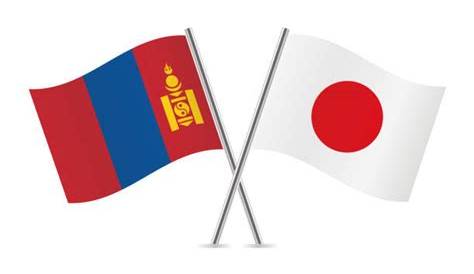
Japan–Mongolia relations, while often overshadowed by larger diplomatic ties in Asia, have become increasingly significant, particularly since the 20th century. This relationship has developed through mutual geopolitical interests and has expanded to include political, economic, and cultural dimensions. A comprehensive understanding of Japan–Mongolia relations reveals how smaller nations can assert their agency in a complex regional landscape.
What is the history of Japan–Mongolia relations?
The history of Japan–Mongolia relations dates back to the early 20th century but gained importance after World War II. Following the war, Mongolia declared independence from the Soviet Union, and Japan formally recognized its sovereignty in 1972, marking the beginning of official diplomatic relations. Throughout the 1980s and 1990s, Japan provided significant economic assistance to Mongolia as it transitioned to a market economy. Notable events, such as the 1998 visit of then-Prime Minister Keizo Obuchi, further solidified these ties, emphasizing Japan's role in Mongolia's development.
What are the current political ties between Japan and Mongolia?
Japan and Mongolia maintain strong political ties, established through diplomatic visits and treaties. The 2002 Japan-Mongolia Joint Declaration on the Development of a Comprehensive Partnership set the foundation for ongoing cooperation. High-level exchanges, including Prime Minister Shinzo Abe's visit to Mongolia in 2015, have reinforced these connections. Their political cooperation extends to joint efforts in international organizations, where both nations share interests in regional security and economic stability.
How does trade influence Japan–Mongolia relations?
Trade is a vital component of Japan–Mongolia relations, fostering economic cooperation between the two nations. Japan primarily exports machinery, vehicles, and electronic goods to Mongolia, while Mongolia exports key minerals, including copper and coal, to Japan. The Japan-Mongolia Economic Partnership Agreement, signed in 2019, aims to enhance trade and investment flows. However, challenges remain; Mongolia's economy relies heavily on mining, which can lead to volatility in trade relations based on global commodity prices.
What cultural aspects contribute to their relationship?
Cultural exchanges significantly strengthen Japan-Mongolia relations. Educational initiatives, such as the Japan-Mongolia University Cooperation Program, promote academic collaboration, allowing students from both nations to study at each other’s institutions. Tourism also enhances these cultural ties, with a growing number of Japanese tourists visiting Mongolia to explore its rich history and stunning landscapes. These exchanges cultivate mutual understanding and respect, which are essential for a lasting partnership.
What challenges do Japan and Mongolia face in their relationship?
Despite the generally positive nature of Japan-Mongolia relations, several challenges exist. Geopolitical dynamics in the region, particularly concerning China and Russia, complicate their partnership. Mongolia often needs to balance its relationships with these larger neighbors while seeking to strengthen ties with Japan. Additionally, Mongolia's economic dependence on resource exports creates vulnerabilities, making it essential for both countries to diversify their cooperation to ensure long-term stability.
Conclusion
To fully grasp Japan–Mongolia relations, examine the historical context that has shaped their ties, focusing on significant political agreements and economic partnerships. Additionally, consider the impact of cultural exchanges in fostering mutual understanding. Be mindful of how external geopolitical factors, particularly China and Russia, influence this relationship. A well-rounded perspective will enrich your understanding of the complexities and potential future developments in their diplomacy.
Frequently Asked Questions
What are the main exports from Mongolia to Japan?
Mongolia primarily exports minerals to Japan, including copper, coal, and gold. These resources are essential for Japan's manufacturing and energy sectors.
How does Japan support Mongolia's development?
Japan supports Mongolia through various means, including economic aid, infrastructure investment, and educational programs, aiming to assist Mongolia in its transition to a market economy and promote its development.
What cultural programs exist between Japan and Mongolia?
Several cultural programs facilitate collaboration, including student exchange initiatives and joint research projects in the arts and humanities, which help strengthen people-to-people ties.
How often do leaders from Japan and Mongolia meet?
Leaders from both countries meet regularly, with high-level visits occurring approximately every few years, often resulting in new agreements and initiatives to enhance bilateral relations.
What role does Mongolia play in Japan's foreign policy?
Mongolia is considered an important partner for Japan in Central Asia, providing a strategic balance in the region due to its proximity to China and Russia. Japan views Mongolia as a key player in promoting regional stability.