Understanding the Interstate Bridge Replacement Program
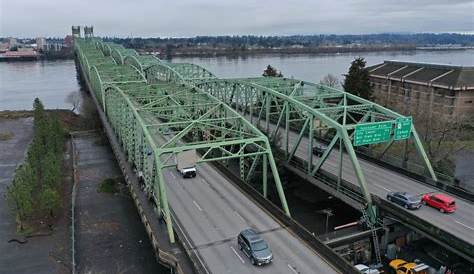
If you're worried about how the Interstate Bridge Replacement Program will affect your daily commute, you're not alone. This initiative aims to replace the aging bridges over the Columbia River that connect Oregon and Washington. Its primary goals are to improve safety, increase capacity, and enhance traffic flow, ultimately benefiting both commuters and the local community.
What is the Interstate Bridge Replacement Program?
The Interstate Bridge Replacement Program is designed to replace the two main Interstate 5 bridges that span the Columbia River between Oregon and Washington. These bridges, which have served the public for decades, are outdated and require significant upgrades to meet modern safety and traffic demands. The program aims to create a new, safer bridge structure that can accommodate increased traffic loads, enhance pedestrian and bicycle access, and integrate better with public transit options. Additionally, it will involve improvements to the surrounding roadway infrastructure to ensure a smoother travel experience.
How will this program affect my daily commute?
During the construction of the new bridges, you can expect some disruptions to your daily commute. Traffic patterns will change, with potential lane closures and detours. Depending on your travel times, you might experience longer delays, particularly during peak hours. If you usually take the I-5 bridge during rush hour, consider exploring alternative routes or adjusting your schedule. Remember that construction is typically phased, so while some areas may see significant impacts, others might remain relatively unaffected during certain periods.
What improvements can I expect from the new bridges?
The new bridges promise several enhancements that will greatly benefit commuters and the local community. Safety is a primary focus; the new structures will be designed to withstand seismic events, reducing the risk of catastrophic failure. In terms of capacity, the bridges will include more lanes and improved traffic flow features, which should help ease congestion. Environmentally, the project will implement better stormwater management systems and designs that promote sustainable transportation options, such as bike lanes and pedestrian pathways. You can look forward to a safer and quicker crossing, with options to walk or bike across as well.
When will construction start and how long will it last?
Construction on the Interstate Bridge Replacement Program is expected to begin in the next couple of years, with preliminary work starting as early as 2024. The entire project is anticipated to take several years, possibly extending into the early 2030s. During this period, expect periodic road closures and detours, especially as major construction phases are implemented. Local officials will provide updates on which lanes or bridges will be affected and when, so staying informed will be essential to minimizing disruptions to your commute.
What can I do to stay informed and involved?
To stay updated on the Interstate Bridge Replacement Program, visit the project's official website for the latest news and construction schedules. Local community meetings will be held where you can learn more and voice any concerns. Engaging with local transportation agencies on social media can also help you stay informed about changes and developments, ensuring you're prepared for any impact on your daily travel.
Conclusion
As the Interstate Bridge Replacement Program progresses, familiarize yourself with the project timeline and its potential impacts on your commute. Stay engaged through community meetings and official updates to share your concerns. The end result should be a safer, more efficient crossing that enhances your daily travel and benefits the broader community.
Frequently Asked Questions
What is the purpose of the Interstate Bridge Replacement Program?
The purpose of the Interstate Bridge Replacement Program is to replace aging bridges over the Columbia River to improve safety, increase capacity, and enhance traffic flow for vehicles, pedestrians, and cyclists.
How will traffic be affected during construction?
Traffic will likely be affected by lane closures and detours during construction, leading to longer travel times, especially during peak hours. It's advisable to explore alternative routes or adjust your travel times.
When is the construction expected to start?
Construction is expected to start in the next couple of years, around 2024, with the entire project anticipated to take several years to complete.
What improvements can commuters expect from the new bridges?
Commuters can expect improved safety features, increased capacity with more lanes, and enhancements for pedestrians and cyclists, including dedicated lanes and better stormwater management.
How can I stay updated on the project?
You can stay updated by visiting the project's official website, attending local community meetings, and following local transportation agencies on social media for the latest news and developments.