Understanding Intellectual Movements in Iran
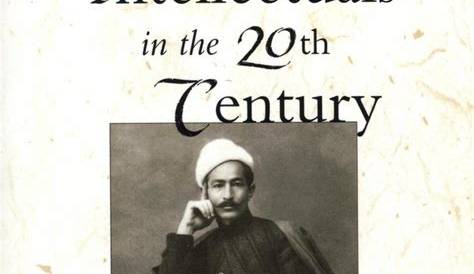
Intellectual movements have played a crucial role in shaping modern Iranian history. From the late 19th century to the present, these movements have influenced societal norms and political change, particularly during the Constitutional Revolution and the Islamic Revolution. By exploring these movements, the key figures involved, and their political implications, you can gain a deeper understanding of contemporary Iran.
What are the main intellectual movements in Iran?
Iran's intellectual landscape has been significantly shaped by key movements since the Constitutional Revolution in the early 20th century. This revolution aimed to establish a constitutional monarchy in response to autocratic rule, promoting democracy and civil rights. It marked a shift towards modernity, inspiring thinkers to advocate for political reform, social justice, and individual freedoms. Following this, the Islamic Revolution of 1979 introduced a new paradigm by intertwining Islamic principles with governance, aiming to establish a society rooted in Islamic values and disrupting the secular trajectory of earlier movements. Other notable movements include leftist and Marxist currents that emerged in the 1950s and 60s, which critiqued monarchy and Western imperialism, and reformist movements in the late 1990s that sought to address the limitations imposed by theocratic rule. Each movement reflects a response to political and social circumstances, characterized by struggles for identity and autonomy amid external pressures and internal contradictions.
Who are the influential thinkers behind these movements?
Several influential thinkers have shaped Iran's intellectual movements. Ali Shariati, a prominent figure before the Islamic Revolution, blended Islamic thought with Marxist ideas, advocating for social justice and empowerment of the underprivileged. His works inspired a generation seeking to reconcile faith with justice and equality. Sadegh Hedayat made significant contributions to literature and philosophy, addressing themes of existential despair and cultural dislocation. His writings reflect the struggles of individuals in a rapidly changing society and have influenced both literature and social thought. Jalal Al-e Ahmad critiqued Westernization and promoted a return to Islamic values, while Nasser Hushang Irani contributed to modern philosophical discourse. Each thinker has left an enduring impact on Iranian society, providing frameworks to navigate the complexities of modernity.
How did these movements shape modern Iranian politics?
The relationship between intellectual movements and political developments in Iran has been significant and often tumultuous. The ideas stemming from the Constitutional Revolution laid the groundwork for later democratic aspirations, even though the revolution itself did not fully achieve its goals. In the wake of the Islamic Revolution, intellectual thought directly influenced political change. The revolution overthrew the monarchy and established a theocratic regime based on religious principles, creating a political landscape where the clergy held significant power and often suppressed alternative voices. However, reformist movements in the late 1990s emerged in response to the theocratic regime, advocating for greater political freedoms and civil rights. Figures like Mohammad Khatami, who became president, pushed for reforms to bridge the gap between the populace and the ruling class. Despite these efforts, reformist movements faced backlash, highlighting the ongoing struggle between progressive ideas and conservative forces within Iranian politics.
What challenges do modern intellectuals in Iran face?
Modern intellectuals in Iran face numerous challenges that hinder their ability to express their ideas freely. Censorship remains a major barrier; many writers, scholars, and activists encounter restrictions on their work, which can range from outright bans to surveillance. The government's response to dissent can be severe, leading to imprisonment or exile for those who challenge state narratives. This atmosphere of repression fosters a climate of fear, stifling open dialogue and discouraging critical thought. Additionally, social and economic pressures complicate the landscape for intellectuals, as many struggle to access resources, funding, and platforms necessary for their work. Despite these challenges, many continue to push boundaries, utilizing digital media and underground channels to share their ideas and foster dialogue, demonstrating resilience in the face of adversity.
How can I further explore these movements?
To deepen your understanding of intellectual movements in Iran, several resources are worth exploring. Books such as "Iranian Identity and Cosmopolitanism" by A. K. Sadr and "The History of Modern Iran" by Ervand Abrahamian provide comprehensive overviews of the country's political and intellectual currents. For literary perspectives, examining the works of Sadegh Hedayat and Ali Shariati can offer insights into the philosophical underpinnings of these movements. Documentaries like "This is Not a Film" and "Iran: A Cinematic History" provide visual context to historical narratives. Additionally, academic journals and articles focusing on Middle Eastern studies offer valuable analyses and critiques of Iranian intellectual thought.
Conclusion
To start your exploration of intellectual movements in Iran, focus on the Constitutional and Islamic Revolutions as key turning points. Engage with the writings of influential thinkers like Ali Shariati and Sadegh Hedayat to understand the philosophical debates at play. Recognizing the challenges modern intellectuals face will enrich your understanding of the ongoing struggles within Iranian society. A thorough examination of these movements will reveal how they have shaped not only Iran's history but also its current socio-political landscape.
Frequently Asked Questions
What is the Constitutional Revolution in Iran?
The Constitutional Revolution, which occurred between 1905 and 1911, aimed to establish a constitutional monarchy in Iran, promoting democratic reforms and civil rights. It was a response to autocratic rule and marked a significant shift towards modern political thought in the country.
Who was Ali Shariati?
Ali Shariati was a prominent Iranian thinker and sociologist who played a crucial role in the intellectual landscape leading up to the Islamic Revolution. He combined Islamic philosophy with social justice concepts, advocating for a society that aligns Islamic principles with the fight against oppression.
How did intellectual movements influence the Islamic Revolution?
Intellectual movements provided the ideological foundation for the Islamic Revolution, merging religious thought with socio-political critiques. Thinkers like Ali Shariati inspired many to view the revolution as a means to achieve social justice rooted in Islamic values.
What are some contemporary challenges faced by Iranian intellectuals?
Contemporary Iranian intellectuals face significant challenges, including censorship, repression, and limited access to resources. These factors create a challenging environment for free expression and critical discourse.
What resources can I use to study Iranian intellectual history?
Consider exploring books like "Iranian Identity and Cosmopolitanism" by A. K. Sadr, as well as literary works by Sadegh Hedayat. Documentaries and academic journals focused on Middle Eastern studies are also valuable for in-depth analyses.