Understanding Indonesia–Sweden Relations and Their Impact
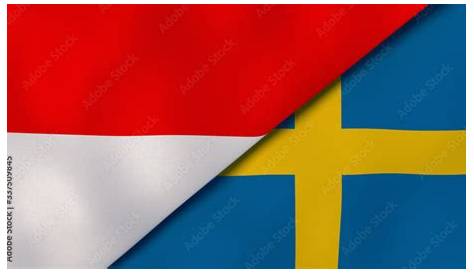
Indonesia and Sweden have established a unique relationship marked by diplomacy, trade, and cultural exchange since 1950. This partnership began shortly after Indonesia gained independence and has evolved to encompass various collaborations that shape their current interactions. Examining key historical milestones, current diplomatic and economic ties, and cultural exchanges provides insight into their relationship and its future potential.
What are the key historical milestones in Indonesia–Sweden relations?
Indonesia and Sweden established diplomatic relations on February 7, 1950, shortly after Indonesia gained independence from Dutch colonial rule. This early recognition laid the groundwork for a partnership based on mutual respect and collaboration. Significant events have marked their relationship, including Sweden's support for Indonesia’s development through various aid programs. In the 1970s and 1980s, Sweden provided assistance in education and health care, contributing to local infrastructure and improved living standards. In recent years, the two countries have engaged in dialogues focusing on sustainable development and climate change, reflecting their commitment to addressing global issues. This collaboration has expanded to include discussions on trade agreements and environmental policies, adapting to the evolving geopolitical context.
What are the current diplomatic and economic ties between Indonesia and Sweden?
Currently, Indonesia and Sweden maintain a strong diplomatic relationship, with embassies in each other’s capitals. Economic ties have strengthened, particularly in technology and sustainability sectors. A key area of cooperation is renewable energy, where Sweden's expertise in green technology aligns with Indonesia's goals. Trade has also increased, with Sweden exporting machinery, pharmaceuticals, and vehicles to Indonesia, while importing palm oil, textiles, and electronics. Various agreements have been signed to enhance trade and investment with a focus on sustainable practices. However, the trade volume remains modest compared to other nations, indicating potential for further growth.
How do cultural exchanges influence Indonesia–Sweden relations?
Cultural exchanges are essential for strengthening the ties between Indonesia and Sweden. Initiatives like art exhibitions, film festivals, and educational programs foster mutual understanding and celebrate each country’s heritage. In recent years, Swedish cultural institutions have showcased Indonesian artists, while Indonesian events in Sweden have highlighted traditional music and dance. The Swedish Institute collaborates with local organizations on projects that promote language learning and cultural dialogue. These exchanges not only build goodwill but also establish networks between individuals and organizations, creating long-lasting relationships that can enhance political and economic ties.
What challenges exist in Indonesia–Sweden relations today?
Despite their strong ties, Indonesia and Sweden encounter challenges in their relationship. Political differences, especially regarding human rights and environmental policies, can create friction. Sweden often advocates for a more stringent approach to human rights, which may conflict with Indonesia’s domestic policies. Additionally, economic competition in specific sectors can lead to tensions, as both countries seek to expand their markets. Addressing these challenges requires careful diplomatic efforts to maintain effective cooperation while acknowledging each nation's concerns.
What future prospects are there for Indonesia–Sweden relations?
Looking forward, there are promising opportunities for Indonesia–Sweden relations, particularly in green technology and education. As Indonesia works to meet its climate goals, Sweden’s expertise in sustainable practices offers significant collaboration potential. Joint ventures in renewable energy projects and environmental conservation initiatives could benefit both economies. Education also presents a vital area for growth, with opportunities for exchanges and scholarships aimed at fostering academic connections. By focusing on these sectors, both nations can deepen their partnership and collaboratively address global challenges.
Conclusion
To understand Indonesia–Sweden relations, it's essential to examine their historical milestones and various agreements. Cultural exchanges play a crucial role in shaping diplomatic ties. While challenges exist, the future appears promising, especially in green technology and education, where both countries can collaborate effectively. Recognizing the significance of these connections and staying informed about ongoing developments will provide a comprehensive view of their relationship.
Frequently Asked Questions
What is the significance of the diplomatic relationship between Indonesia and Sweden?
The diplomatic relationship, established in 1950, is significant as it marks Indonesia's recognition on the global stage and Sweden's commitment to supporting Indonesia's development. This partnership has led to various collaborations in areas like trade, technology, and cultural exchange.
What are the main areas of trade between Indonesia and Sweden?
Key areas of trade include machinery, pharmaceuticals, and vehicles from Sweden, while Indonesia exports palm oil, textiles, and electronics. The trade volume is growing but remains modest compared to other countries.
How do cultural exchanges benefit Indonesia and Sweden?
Cultural exchanges enhance mutual understanding and foster goodwill between the two nations. They allow for the sharing of art, traditions, and educational experiences, leading to stronger diplomatic and economic ties.
What challenges do Indonesia and Sweden face in their relations?
Challenges include political differences, particularly on human rights and environmental policies, as well as economic competition in certain sectors. These issues require careful handling to maintain a positive relationship.
What future collaborations are expected between Indonesia and Sweden?
Future collaborations are likely in green technology and education, with both countries benefiting from joint projects in renewable energy and academic exchanges, which could strengthen their partnership further.