How Indigenous Peoples Protect the Environment
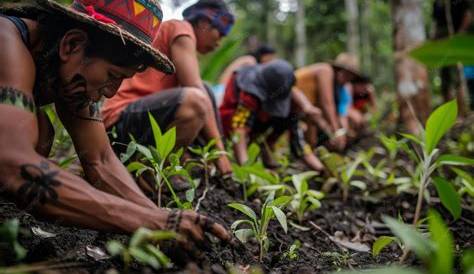
Indigenous peoples have a profound relationship with the environment, rooted in traditional practices that promote sustainability. For centuries, these communities have developed unique methods to manage natural ecosystems, drawing on their deep understanding of local biodiversity. This article examines Indigenous environmental stewardship, the effects of colonization on these practices, successful Indigenous-led conservation efforts, and the lessons we can learn from their wisdom today.
What are Indigenous peoples' traditional environmental practices?
Indigenous peoples have developed a variety of traditional environmental practices closely aligned with their cultural beliefs and the ecosystems they inhabit. For instance, many communities practice controlled burning, where fires are intentionally set under specific conditions to clear underbrush, promote new growth, and maintain land health. This method reduces the risk of larger, uncontrolled wildfires and supports the regeneration of native plants.
These practices often emphasize biodiversity preservation. Many Indigenous communities recognize the intrinsic value of maintaining diverse ecosystems, which supports their food sources, medicine, and cultural identity. Techniques such as crop rotation, polyculture, and selective harvesting allow for sustainable resource use while ensuring environmental resilience.
Despite their effectiveness, these practices are often misunderstood or overlooked in modern conservation efforts. Some may perceive traditional methods as outdated compared to contemporary scientific approaches. However, Indigenous knowledge is rooted in centuries of observation and adaptation, making it highly relevant today.
How has colonization affected Indigenous environmental stewardship?
Colonization has significantly impacted Indigenous peoples' ability to manage their environments effectively. Historically, colonizers dismissed Indigenous knowledge as primitive, leading to the disruption of traditional practices and land management techniques. Colonial policies often resulted in land dispossession, forcing Indigenous communities off their ancestral territories and severing their connection to the land.
The consequences of colonization are still felt today. Many Indigenous peoples face challenges accessing natural resources and practicing their traditional stewardship methods. This loss of land not only affects their cultural identity but also diminishes the diversity of environmental management practices that could contribute to global sustainability efforts.
While there is increasing recognition of the importance of Indigenous rights and knowledge, systemic barriers persist. This ongoing struggle highlights the need for policies that respect Indigenous sovereignty and integrate their traditional ecological knowledge into broader conservation strategies.
What are some successful case studies of Indigenous-led conservation?
Several successful case studies showcase the effectiveness of Indigenous-led conservation initiatives. One notable example is the return of land to the Ainu people in Japan, recognized for their traditional environmental stewardship practices. By regaining access to their ancestral lands, the Ainu can implement their resource management methods, which enhance biodiversity and ecosystem health.
Another significant example is the work of the Ngāi Tahu tribe in New Zealand. They have successfully restored and protected native species and habitats through their knowledge and practices, resulting in increased populations of native birds and improved water quality in local rivers.
These cases illustrate that when Indigenous peoples are given the agency to manage their traditional lands, they can lead effective conservation efforts benefiting both the environment and their communities. However, such successes often require a shift in policy and public perception to genuinely support Indigenous leadership in conservation.
How can we learn from Indigenous knowledge today?
Integrating Indigenous environmental wisdom into modern conservation efforts can lead to more effective and sustainable practices. Non-Indigenous communities and governments can start by acknowledging the value of traditional ecological knowledge and involving Indigenous peoples in decision-making processes regarding land management and conservation.
Collaborative partnerships can facilitate knowledge sharing, allowing Indigenous communities to share their expertise while benefiting from scientific research. For instance, co-management agreements can enable shared governance of natural resources, combining Indigenous wisdom with contemporary conservation science.
Additionally, educational programs that highlight Indigenous practices and philosophies can help raise awareness and promote appreciation of their contributions to environmental stewardship. By fostering respect and understanding, we can build a foundation for more inclusive and effective conservation strategies that honor Indigenous knowledge.
What actions can I take to support Indigenous environmental initiatives?
You can support Indigenous environmental initiatives in several meaningful ways. Start by educating yourself about the Indigenous communities in your area, their cultures, and environmental practices. Understanding their perspectives can help you appreciate their roles as stewards of the land.
Consider supporting Indigenous-led organizations that focus on conservation efforts. Donations or volunteering can provide crucial resources for these initiatives. Additionally, advocating for policies that respect Indigenous land rights and promote their involvement in environmental decision-making is essential.
Engaging with local Indigenous communities by attending events, workshops, or discussions they host fosters mutual respect and understanding, ultimately strengthening the collaboration needed for effective environmental stewardship.
Conclusion
To get started, focus on learning about the Indigenous communities near you and the environmental practices they advocate. Seek opportunities to support Indigenous-led conservation efforts, whether through donations, volunteering, or advocating for their rights. A deeper understanding of how traditional knowledge can enhance modern conservation strategies can lead to healthier ecosystems and a greater respect for Indigenous rights.
Frequently Asked Questions
What are traditional ecological knowledge and its significance?
Traditional ecological knowledge refers to the understanding and practices developed by Indigenous peoples over generations regarding their local ecosystems. Its significance lies in its holistic approach to resource management, emphasizing sustainability and biodiversity, which can complement modern scientific methods.
How can Indigenous knowledge contribute to climate change solutions?
Indigenous knowledge can contribute to climate change solutions by offering insights into sustainable land management practices that enhance resilience against climate impacts. For example, traditional methods of agriculture and resource use can help maintain ecosystem balance and promote carbon sequestration.
What challenges do Indigenous peoples face in environmental stewardship today?
Indigenous peoples face challenges such as land dispossession, limited access to resources, and systemic discrimination. These factors hinder their ability to implement traditional stewardship practices effectively, despite their proven benefits for the environment.
How can non-Indigenous people help support Indigenous environmental efforts?
Non-Indigenous people can support Indigenous environmental efforts by educating themselves about Indigenous rights, advocating for their inclusion in decision-making processes, and supporting Indigenous-led organizations or initiatives financially or through volunteer work.
Are there any global examples of Indigenous-led conservation successes?
Yes, there are several global examples, such as the successful reforestation efforts by the Kayapo people in Brazil, who have worked to protect the Amazon rainforest using their traditional knowledge and practices.