Understanding Inayatullah Khan Sial's Role in History
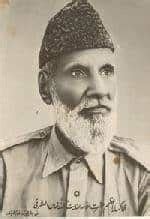
Inayatullah Khan Sial was an influential figure in Pakistan's independence movement, making significant contributions that are often overlooked. Born into a politically active family in 1905, his upbringing and education set the stage for his involvement in advocating for a separate nation for Muslims in the subcontinent. His dedication to this cause was reflected in his active participation in various political organizations and efforts, providing a clearer understanding of the diverse individuals who shaped Pakistan's history.
Who was Inayatullah Khan Sial?
Inayatullah Khan Sial was born in 1905 in the Punjab region into a family that valued education and political engagement. He received his early education in local schools before pursuing higher studies, where he developed a keen interest in the political issues affecting Muslims in India. Sial became involved with the All India Muslim Students Federation, which connected him with other leaders and activists. He was recognized for his commitment to democracy and justice, which influenced his political actions. His upbringing in a politically charged environment and formal education prepared him to be an articulate advocate for Muslim rights in a rapidly changing socio-political landscape.
What did he contribute to the Pakistan Movement?
Inayatullah Khan Sial's contributions to the Pakistan Movement were marked by his active participation in key organizations and events that galvanized support for the cause. As an early member of the All India Muslim League, he played a crucial role in advocating for Muslim rights and the demand for a separate nation. Sial was instrumental in mobilizing students and intellectuals, emphasizing the importance of Muslim unity. His efforts included organizing rallies, writing articles to promote the movement, and collaborating with other leaders to strategize for the future of Muslims in India. While some may see his contributions as less significant compared to figures like Muhammad Ali Jinnah, Sial’s grassroots activism laid a strong foundation for the movement and ensured that the voices of ordinary Muslims were heard.
How did his political career evolve?
Sial's political career evolved as he took on various roles that reflected his growing influence and commitment to the Pakistan Movement. After the formation of Pakistan in 1947, he continued to serve in different capacities, including as a member of the National Assembly. He faced challenges navigating the complexities of a new political landscape and addressing the needs of his constituents amid the tumultuous changes in the country. His dedication to serving the people led him to advocate for education and social reforms, aiming to improve the lives of ordinary citizens. However, like many politicians of his time, Sial dealt with political rivalries and shifting dynamics within the newly formed state, which sometimes limited his effectiveness.
What is his legacy today?
Inayatullah Khan Sial is remembered as a dedicated advocate for Muslim rights and a significant figure in the early years of Pakistan’s formation. His contributions are celebrated in local narratives and among those who recognize the importance of grassroots activism in shaping the nation’s history. Memorials and plaques in his honor, particularly in educational institutions, remind us of his efforts and influence on young minds. Despite this, his legacy can be overshadowed by more prominent figures, highlighting the need for greater recognition of his role in the movement. Acknowledging Sial’s contributions provides a more nuanced view of Pakistan’s history, illustrating the diverse voices that contributed to its creation.
What can we learn from his life?
Inayatullah Khan Sial’s life illustrates the significance of grassroots activism and the importance of education in political engagement. His story shows that individuals can influence change through dedication and community involvement, even when faced with challenges. For current and future generations, Sial’s commitment to advocating for marginalized voices serves as inspiration to engage in civic duties and champion social justice. His journey emphasizes that every effort, no matter how small, can contribute to a larger movement, encouraging individuals to take action in their communities.
Conclusion
To better understand the history of Pakistan's independence, it's essential to explore lesser-known figures like Inayatullah Khan Sial who played crucial roles in shaping the narrative. While major leaders often receive the most attention, recognizing the contributions of activists like Sial enriches our understanding of this period. Focusing on how grassroots movements influenced the political landscape provides a comprehensive view of the complexities involved in the formation of Pakistan.
Frequently Asked Questions
What organizations was Inayatullah Khan Sial part of?
Inayatullah Khan Sial was involved with the All India Muslim League and the All India Muslim Students Federation, working to mobilize support for the rights of Muslims in India.
What were some challenges Sial faced in his political career?
Sial faced challenges related to political rivalries, the complexities of establishing a new government, and the pressing needs of his constituents in a rapidly changing environment.
How is Inayatullah Khan Sial remembered today?
He is remembered for his dedication to advocating for Muslim rights and grassroots activism, with memorials and recognitions highlighting his contributions to Pakistan's history.
What lessons can be learned from Sial's life?
Sial’s life exemplifies the importance of grassroots activism and community engagement, reminding us that dedicated efforts can lead to significant changes in society.
Did Inayatullah Khan Sial hold any significant political office after independence?
Yes, after the formation of Pakistan, Sial served as a member of the National Assembly, where he continued to advocate for education and social reforms.