The History of the Jews in Belgrade: A Journey Through Time
The Jewish community in Belgrade has a long and intricate history that dates back to the late 15th century. Early Jewish migrants, primarily Sephardic Jews fleeing the Spanish Inquisition, settled in the city during the Ottoman period, contributing significantly to its cultural, economic, and social life. This article examines the origins of the Jewish community, key historical events that shaped their experiences, and prominent figures who have left a lasting impact on Belgrade.
How did the Jewish community first arrive in Belgrade?
Jews began migrating to Belgrade in the late 15th century, primarily during the expansion of the Ottoman Empire. The Ottomans were generally tolerant of different religious groups, which allowed Jews to settle in the city and establish their presence. Many of these early migrants were Sephardic Jews escaping the Spanish Inquisition, seeking a place where they could practice their faith freely. They quickly became integral to the local economy, engaging in trade, crafts, and various professions, which helped them gain a foothold in the community. Over the centuries, the Jewish population grew, influenced by migrations of Ashkenazi Jews from Central Europe during the 18th and 19th centuries. This diverse background enriched the community's culture and laid the groundwork for a vibrant Jewish life in Belgrade.
What were the major historical events affecting Jews in Belgrade?
Several key historical events have significantly impacted the Jewish community in Belgrade. The arrival of Jews during the late 15th century marked the beginning of their presence, but this early safety was often precarious. During World War II, the situation drastically worsened as the Nazis occupied Yugoslavia. Many Jews were deported to concentration camps, resulting in devastating losses for the community. After the war, the establishment of communist rule in Yugoslavia brought some stability, but anti-Semitism persisted in various forms. The Yugoslav Wars in the 1990s further complicated the situation, leading to a decline in the population as many Jews emigrated. The historical context of war, persecution, and shifting political climates has profoundly shaped the Jewish experience in Belgrade.
Who were the influential Jewish figures in Belgrade?
Belgrade's Jewish community has produced many influential figures across various fields. One notable individual is Mileva Marić, a mathematician and writer who was Albert Einstein's first wife and made significant contributions to mathematics and physics. Another prominent figure is Nadežda Petrović, a celebrated painter and sculptor known for her contributions to Serbian art. In politics, the late Vojislav Koštunica, a former Prime Minister of Serbia, had Jewish ancestry, highlighting the historical presence of Jews in the political sphere. These figures not only shaped the cultural and artistic heritage of Belgrade but also left a legacy that continues to be recognized.
What cultural and religious practices did the Jewish community maintain?
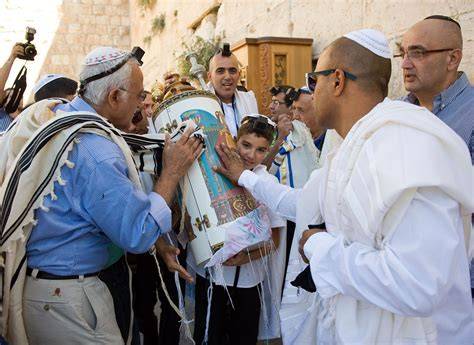
The Jewish community in Belgrade has maintained a rich array of cultural and religious practices. Traditional customs such as Shabbat observances, dietary laws, and festivals like Passover and Hanukkah are central to community life. The community has established several synagogues, with the oldest dating back to the early 19th century, serving as vital centers for worship and social gathering. Cultural practices, including Yiddish theater and music, have flourished at various points in the community's history. The blending of Sephardic and Ashkenazi traditions has resulted in a unique Jewish identity in Belgrade, reflected in local cuisine and communal celebrations.
What is the current state of the Jewish community in Belgrade?
Today, the Jewish community in Belgrade is small but active, comprising around 1,000 members. Organizations such as the Federation of Jewish Communities in Serbia play a crucial role in preserving Jewish heritage and supporting community members. The community maintains cultural heritage sites, including the historic Jewish cemetery and the Jewish Museum, which showcase the rich history of Jews in the region. Cultural events, educational programs, and religious services continue to foster a sense of community and belonging. Despite the challenges faced over the years, the Jewish community in Belgrade remains dedicated to preserving its identity and contributing to the broader societal framework.
Conclusion
To understand the history of the Jewish community in Belgrade, begin by examining their early migrations and the vibrant life they established in the city. Consider the impact of historical events like World War II, which profoundly affected their experience. Acknowledging the contributions of influential figures can provide a deeper connection to their legacy. Today, engaging with local Jewish organizations and cultural events can offer valuable insights into both the historical and contemporary Jewish experience in Belgrade. Focusing on these areas will provide a comprehensive understanding of this rich narrative woven into the city’s history.
Frequently Asked Questions
What is the history of the Jewish community in Belgrade?
The Jewish community in Belgrade dates back to the late 15th century, largely shaped by the arrival of Sephardic Jews fleeing the Inquisition. Over time, the community faced various challenges, including persecution during World War II, but has maintained a presence through cultural and religious practices.
How did World War II affect the Jews in Belgrade?
During World War II, many Jews in Belgrade were deported to concentration camps by the Nazis, leading to significant loss of life and community. The impact was devastating, and the community struggled to recover in the post-war years.
Who are some notable Jewish figures from Belgrade?
Notable figures include Mileva Marić, a mathematician and writer, and Nadežda Petrović, a celebrated painter. Their contributions have left a lasting legacy in Serbian culture and history.
What cultural practices are maintained by the Jewish community in Belgrade today?
The Jewish community in Belgrade continues to observe traditional customs, including Shabbat and Jewish holidays. They also engage in cultural activities that celebrate their heritage, such as events at the Jewish Museum.
What is the current size of the Jewish community in Belgrade?
Today, the Jewish community in Belgrade is around 1,000 members. While small, it remains active and engaged in preserving its cultural heritage and supporting its members.