Understanding Hidden Fees in Loan Offers: What to Know
You're excited about getting your first loan, but hidden fees could unexpectedly inflate your budget. Hidden fees are charges that lenders often do not clearly disclose, leading to costs that can catch you off guard later. By understanding what these fees are and how to identify them, you can make informed financial decisions and avoid surprises.
What are hidden fees in loan offers?
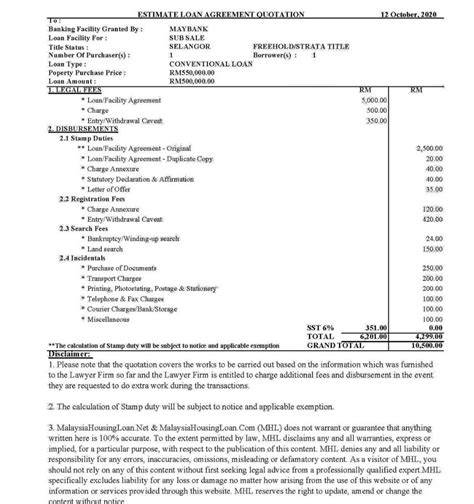
Hidden fees in loan offers are costs that might not be clearly visible when you first review a loan agreement. Common examples include origination fees, which lenders charge for processing your loan application, and application fees that cover the costs of checking your credit and verifying your information. Other potential fees include late payment fees, prepayment penalties, and closing costs for mortgages. Since fees vary by lender and loan type, it’s crucial to scrutinize each offer carefully. You can think of hidden fees as the gap between the advertised interest rate and the actual annual percentage rate (APR), which encompasses many of these additional costs. Knowing what to look for helps you avoid surprises when it's time to repay your loan.
Why do lenders include hidden fees?
Lenders include hidden fees primarily for risk management and to maintain profit margins. Fees like origination charges help cover operational costs and mitigate risks associated with lending. For example, if a borrower defaults, the lender recoups some costs through these fees. Additionally, in competitive markets with low interest rates, lenders may include fees to remain profitable. This can result in advertised low-interest rates being offset by high hidden fees, ultimately increasing the total cost of the loan. Understanding the reasons behind these fees can empower you to negotiate better terms.
How can I identify hidden fees before signing?
Identifying hidden fees before signing a loan agreement requires careful examination of all loan documents and asking the right questions. Start by requesting a Loan Estimate form, which lenders are required to provide. This document outlines the loan terms, including all associated fees. Pay special attention to the APR and compare it across different lenders; a higher APR often signals more hidden fees. When meeting with a lender, ask direct questions about any unclear fees, such as origination fees, late payment fees, and prepayment penalties. Reading the fine print is also crucial, as some fees may be hidden in complex legal language. By being proactive and thorough, you can uncover potential charges that could affect your financial decision.
What should I do if I find hidden fees?
If you discover hidden fees in a loan offer, you have several ways to address them. Start by negotiating with the lender; ask if the fees can be reduced or waived, especially if they seem excessive compared to other lenders. If you find a similar loan with lower fees, use that as leverage in your discussions. If the lender is unwilling to adjust the fees, consider exploring alternative offers. Shopping around and comparing different loan terms is a smart move, particularly if you’re uncomfortable with the presented fees. Additionally, request a detailed breakdown of each fee to better understand their necessity. You have the right to seek transparency in your loan agreement, and if a lender is not willing to provide it, it might be time to look elsewhere.
What are the long-term impacts of hidden fees on my loan?
Hidden fees can significantly impact your loan and overall financial health in the long run. Even small fees can accumulate, raising the total repayment amount. For instance, if you take out a $10,000 loan with a 5% interest rate and incur a $500 origination fee, your effective loan amount becomes $10,500, which means you'll pay interest on the larger sum. Over the life of the loan, this can result in hundreds or even thousands of extra dollars spent. Moreover, hidden fees can affect your cash flow, complicating your ability to budget for other expenses. If you're not aware of these fees upfront, you might find yourself in a challenging financial situation later. Ultimately, recognizing and understanding the implications of hidden fees is essential for maintaining your financial health long-term.
Conclusion
Start by requesting a Loan Estimate and carefully examining all terms before you sign anything. Focus on understanding the APR and comparing offers from multiple lenders. A successful outcome means securing a loan with clear terms and minimal hidden fees, allowing you to manage your finances effectively without unexpected costs later on.
Frequently Asked Questions
What are some common hidden fees in loans?
Common hidden fees include origination fees, application fees, late payment fees, and prepayment penalties. These fees can significantly increase the total amount you pay over the life of the loan.
How can I avoid hidden fees when borrowing?
To avoid hidden fees, always request a Loan Estimate from lenders and compare the APRs of different loan offers. Don't hesitate to ask lenders directly about any fees that seem unclear.
Can hidden fees be negotiated with lenders?
Yes, you can negotiate hidden fees with lenders. If you find fees that seem excessive, ask if they can be reduced or waived, especially if you have competing offers with lower fees.
What should I do if I discover hidden fees after signing?
If you discover hidden fees after signing, review your loan documents and contact your lender to discuss your concerns. You may still be able to negotiate or refinance the loan under better terms.
How do hidden fees affect my total loan cost?
Hidden fees increase the total cost of your loan by adding to the principal amount or increasing the interest you pay over time. Understanding these fees is vital to assessing the overall affordability of the loan.