Understanding the Hetman of the Zaporizhian Cossacks
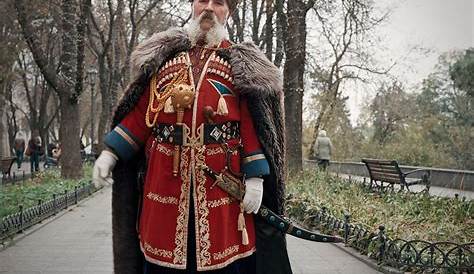
The Hetman of the Zaporizhian Cossacks played a crucial role in Cossack society as both a military and political leader, shaping Ukraine's history significantly. The Hetman was responsible for governance, defense, and representation in negotiations with foreign powers. This position was central to Cossack identity, embodying a unique blend of military prowess and political authority that influenced the region for centuries.
What was the role of the Hetman in Cossack society?
The Hetman was the supreme commander of the Cossack army and held considerable political power in Cossack society. This role included leading military campaigns, overseeing the administration of the Cossack Hetmanate, and advocating for Cossack interests in negotiations with foreign nations. The Hetman had the authority to issue decrees, manage finances, and maintain law and order within the Cossack communities. Importantly, the Hetman was elected by the Cossack council, known as the Rada, which introduced a democratic aspect in a society that valued collective decision-making. However, the Hetman's power was not absolute; they had to navigate the interests of the Cossack elite and maintain support among the ranks to govern effectively. A common misconception is that the Hetman was merely a military leader; in reality, the position required a delicate balance of diplomacy, governance, and martial skill.
How did the Hetmanate influence Ukrainian history?
The Hetmanate played a pivotal role in shaping Ukraine's political landscape, particularly during the 17th and 18th centuries. Established in 1649 after the Treaty of Zboriv, the Hetmanate emerged as a semi-autonomous state within the Polish-Lithuanian Commonwealth. This arrangement allowed the Cossacks to exercise a degree of self-governance while pursuing greater autonomy or independence from foreign rule. The Hetmanate became a symbol of Ukrainian national identity and resistance against oppressive regimes, especially during conflicts with Poland, Russia, and the Ottoman Empire. Throughout its existence, the Hetmanate influenced various movements for independence and contributed to the development of Ukrainian culture and traditions. Its influence evolved in response to changing political circumstances and external pressures, particularly during the shifting alliances of the Great Northern War and the struggles against Russian imperial ambitions.
Who were the most notable Hetmans and what did they achieve?
Several Hetmans have left a lasting mark on Cossack and Ukrainian history. Bohdan Khmelnytsky is perhaps the most celebrated, known for leading the Cossack uprising against Polish rule in 1648. His leadership resulted in the formation of the Cossack Hetmanate, and he is often regarded as a national hero for his efforts to secure Ukrainian autonomy. Ivan Mazepa, another significant figure, is known for his ambitious attempts to ally with Sweden against Russia during the Great Northern War. However, his defeat at the Battle of Poltava in 1709 marked a turning point in the decline of the Hetmanate's power. Each Hetman faced unique challenges and left distinct legacies, with their achievements reflecting the turbulent historical context of their times. Some Hetmans focused on military victories, while others emphasized diplomacy and state-building, showcasing the diverse approaches to leadership within the Cossack tradition.
What challenges did Hetmans face during their leadership?
Hetmans encountered numerous challenges throughout their leadership, both from within the Cossack ranks and from external forces. Internally, they had to manage a diverse group of Cossack leaders with varying interests, often navigating conflicts among factions that could undermine their authority. Externally, Hetmans faced pressures from powerful neighboring states, particularly Poland and Russia, which sought to exert control over Cossack territories. The struggle for autonomy led to wars and betrayals, with Hetmans like Mazepa experiencing the harsh consequences of failed alliances. Balancing power was a significant challenge; while striving for autonomy, Hetmans often had to make concessions to maintain peace and stability, which sometimes alienated their support base. Miscalculating alliances or failing to address the demands of the Cossacks could lead to uprisings and political instability.
What is the legacy of the Hetmanate today?
Today, the legacy of the Hetmanate is deeply ingrained in Ukrainian culture and national identity. The image of the Hetman symbolizes the struggle for independence and self-governance that resonates with contemporary Ukrainian society. The narrative surrounding the Hetmanate promotes themes of resilience and autonomy, particularly significant during periods of foreign domination. While modern Ukraine is a sovereign state, the values and traditions rooted in Cossack heritage continue to shape its cultural and political landscape. Festivals, literature, and art often celebrate the Cossack legacy, fostering a sense of pride among Ukrainians. However, interpretations of this legacy can vary; some view it as a romanticized past, while others see it as a foundational element for contemporary political aspirations.
Conclusion
To understand the Hetman of the Zaporizhian Cossacks, explore the lives of notable Hetmans like Bohdan Khmelnytsky and Ivan Mazepa. Their stories illustrate the complexities of leadership during turbulent times. Avoid oversimplified narratives that depict the Hetmanate solely as a military phenomenon; instead, recognize its political and cultural dimensions. A deeper understanding of this legacy will enrich your appreciation of Ukraine's national identity and history.
Frequently Asked Questions
What powers did the Hetman possess?
The Hetman held significant powers, including military command, political leadership, and administrative authority over the Cossack territory. They could issue decrees, manage military campaigns, and represent Cossack interests in negotiations.
How was a Hetman chosen?
A Hetman was typically elected by the Cossack Rada, a council of Cossack leaders. This election process reflected the democratic aspects of Cossack society, although political alliances and military prowess often influenced the selection.
What led to the decline of the Hetmanate?
The decline of the Hetmanate was largely due to external pressures from Russia and internal divisions among Cossack leaders. Key events such as the Battle of Poltava in 1709 marked significant turning points in its loss of autonomy.
Did the Hetmans have to deal with foreign powers?
Yes, Hetmans frequently engaged with foreign powers such as Poland, Russia, and the Ottoman Empire. Their leadership involved navigating complex diplomatic relationships while seeking to protect Cossack interests.
How is the Hetmanate viewed in modern Ukraine?
The Hetmanate is regarded as a crucial part of Ukrainian history, symbolizing the struggle for independence and self-governance. Its legacy continues to influence contemporary cultural expressions and national identity in Ukraine.