Understanding Henry Clay Work: Pioneer of American Songwriting
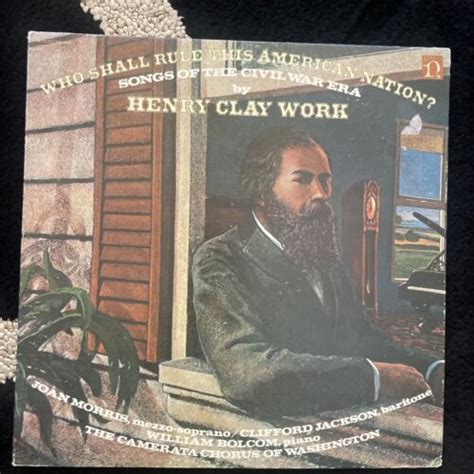
Henry Clay Work was an influential American composer and lyricist known for his significant contributions to 19th-century music. His work often addressed the cultural and social issues of his time, making him a prominent voice in American music history.
Who was Henry Clay Work?
Henry Clay Work was born on February 1, 1832, in New Britain, Connecticut, into a musical family that nurtured his early interest in music. Although he initially pursued a career as a carpenter, he eventually dedicated himself to music full-time, gaining recognition as a songwriter and performer. His career flourished in the 1850s, particularly during the Civil War era, when his songs resonated deeply with both soldiers and civilians. Work was known for blending folk melodies with structured musical forms, creating a unique sound that appealed to a wide audience.
What are his key contributions to American music?
Henry Clay Work made several notable contributions to American music through his innovative songwriting. He popularized narrative in song, allowing him to tell compelling stories that connected on a personal level with audiences. For example, his song "Marching Through Georgia" became an anthem for Union soldiers during the Civil War, capturing the emotional experiences of wartime. Additionally, Work experimented with various musical styles, merging traditional folk elements with contemporary popular music, which helped shape the sound of American music in the 19th century.
What are some of his most notable songs?
Some of Henry Clay Work's most notable songs include:
- "Marching Through Georgia": Written during the Civil War, this song celebrated the Union victory and became a rallying cry for Union troops.
- "The Ship that Never Returned": This poignant ballad tells the story of a ship lost at sea, reflecting themes of loss and longing.
- "Kingdom Coming (The Year of Jubilo)": This song captures the spirit of hope and change during the Civil War, expressing the desire for freedom among enslaved people.
Each of these songs showcases Work's lyrical talent and serves as a historical document reflecting the sentiments of his time.
How did Work influence American culture?
Henry Clay Work's music profoundly influenced American culture, especially during the Civil War era. His ability to capture the emotions and experiences of ordinary people made his songs resonate widely, fostering a sense of unity and shared identity among listeners. Work's music often addressed pressing social issues, such as freedom and justice, which contributed to the cultural dialogue of the time. His work laid the groundwork for future American songwriters, demonstrating how music could serve as a powerful tool for storytelling and social commentary.
What is Work's legacy today?
Today, Henry Clay Work's contributions to American music are often overshadowed by more prominent figures, yet his influence endures in the works of contemporary artists who draw upon narrative songwriting and folk traditions. While his songs may not be as widely recognized, they continue to be performed and studied for their historical and cultural significance. Work's ability to combine storytelling with music paved the way for future generations of songwriters, establishing him as an important figure in the evolution of American music.
Conclusion
Exploring Henry Clay Work's music provides valuable insights into the cultural and social dynamics of 19th-century America. His songs not only entertained but also challenged and inspired audiences, significantly shaping American music.
Frequently Asked Questions
What was Henry Clay Work's most famous song?
His most famous song is often considered to be 'Marching Through Georgia,' which became an anthem during the Civil War.
Did Henry Clay Work write songs for any specific events?
Yes, many of his songs were inspired by events like the Civil War, addressing themes of unity, struggle, and hope.
How did Work's background influence his music?
Growing up in a musical family and working as a carpenter before becoming a songwriter helped him blend folk elements with his compositions.
Are there modern artists influenced by Henry Clay Work?
Yes, many contemporary artists draw inspiration from his storytelling style and the themes of social justice in his songs.