Understanding Guadeloupean Creole: A Key to Embracing Local Culture
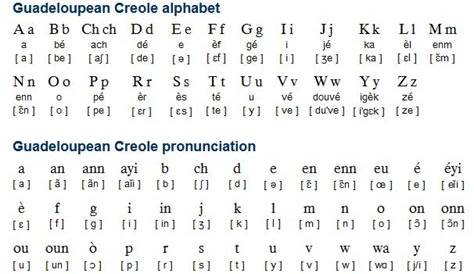
If you're planning a trip to Guadeloupe, understanding Guadeloupean Creole is essential for connecting with the local culture. This vibrant language, known as Kreyòl, is not just a dialect of French; it has its own unique history and characteristics shaped by various influences. Speaking even a few phrases of Creole can enhance your interactions with locals and enrich your travel experience.
What is Guadeloupean Creole and why should I care?
Guadeloupean Creole, or Kreyòl, is a French-based creole language that reflects the rich history and diverse cultural influences of Guadeloupe. It emerged during the colonial era when enslaved Africans, indigenous peoples, and French settlers interacted, leading to a unique language that embodies local identity and pride. For travelers, learning some Kreyòl phrases fosters connections with the community and shows respect for their culture. Many locals appreciate when visitors make an effort to speak their language, as it signifies a genuine interest in their way of life.
How is Guadeloupean Creole different from French?
While Guadeloupean Creole is rooted in French, it has distinct grammar, vocabulary, and pronunciation. For example, Kreyòl often employs simpler grammatical structures than standard French, resulting in more direct sentences with fewer conjugations. The vocabulary reflects influences from African languages, Carib languages, and English, further distinguishing it from French. For instance, the word for 'to eat' in French is 'manger,' while in Creole, it’s 'mangé.' This can lead to confusion for French speakers, as they may not understand Kreyòl despite their familiarity with French.
What are some essential phrases I should learn?
- "Bonjou" (Good morning)
- "Bonswa" (Good evening)
- "Kijan ou yé?" (How are you?)
- "Mwen kontan wè ou" (I’m happy to see you)
- "Ki kote sa ye?" (Where is this?)
- "Mwen bezwen èd" (I need help)
Are there any misconceptions about speaking Creole?
A common misconception is that Guadeloupean Creole is merely a simplified or 'broken' form of French. This view overlooks the fact that Kreyòl has its own grammar, syntax, and vocabulary, making it a fully developed language. Another misconception is that only older generations speak Creole, but younger people often use it alongside French, particularly in informal settings. Recognizing Kreyòl as a legitimate language rather than a subpar version of French helps highlight its cultural significance and value.
How can I practice Guadeloupean Creole before my trip?
To get a head start on learning Guadeloupean Creole, consider using several resources. Language learning apps like Duolingo or Memrise may offer basic Creole lessons. Additionally, you can find online courses dedicated to Kreyòl. If you have local connections or know anyone from Guadeloupe, reach out for conversation practice. Watching videos or listening to music in Kreyòl will also help you grasp the language's rhythm and pronunciation. Engaging with the language before your trip will prepare you for authentic interactions during your stay.
Conclusion
Start learning some basic phrases in Guadeloupean Creole and seek out resources that can help you practice. You don't need to master the language; just making an effort to communicate in Kreyòl will significantly enhance your travel experience. Embrace the local culture, and your trip to Guadeloupe will be much more meaningful.
Frequently Asked Questions
Is Guadeloupean Creole easy to learn?
It can be easier for those who speak French, as many words are similar. However, the grammar and pronunciation differ, so it will take some effort to get comfortable.
Do many people in Guadeloupe speak French?
Yes, French is the official language and is widely spoken in schools and formal settings. However, Kreyòl is commonly used in everyday conversations.
Can I get by speaking only English in Guadeloupe?
While some locals may speak English, especially in tourist areas, knowing some Creole phrases will enhance your interactions and show respect for the culture.
What resources can I use to learn Guadeloupean Creole?
Look for language apps, online courses, and YouTube videos. Engaging with music and films in Kreyòl can also be enjoyable ways to practice.
What is the cultural significance of Guadeloupean Creole?
Guadeloupean Creole is a vital part of the island's identity, reflecting its history and the blending of various cultures. Speaking it can connect you more deeply with the local community.