Understanding Gruppe Monsun and Its Role in World War II
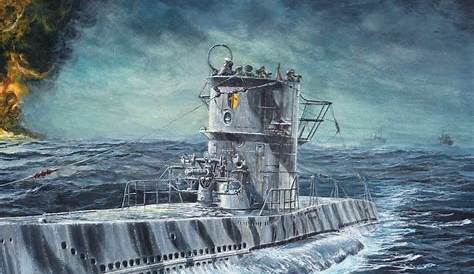
Gruppe Monsun was a German naval command established during World War II, focusing on operations in the Indian Ocean and the Pacific. Its primary goal was to enhance Germany's naval presence and disrupt Allied shipping routes. By understanding Gruppe Monsun, you gain insight into Germany's strategic moves and the complexities of naval warfare during this global conflict.
What was Gruppe Monsun and why was it formed?
Gruppe Monsun emerged in 1943 as a response to the shifting dynamics of World War II. As the war progressed, Germany sought to extend its naval operations beyond the Atlantic, particularly into the Indian Ocean, where it could threaten Allied supply lines. This command was part of a broader strategy known as the ‘Monsun Group’, which included submarines and surface vessels aimed at disrupting Allied commerce and military operations. The formation of Gruppe Monsun also reflected the collaboration between Germany and its Axis partner, Japan, as both nations shared interests in undermining Allied powers across the vast oceanic front. The strategic context was crucial, as the Allies were gaining the upper hand in Europe and the Pacific, prompting Germany to seek new avenues of warfare that could stretch Allied resources across multiple fronts.
What operations did Gruppe Monsun carry out?
Gruppe Monsun conducted several key operations targeting Allied shipping in the Indian Ocean and surrounding areas. One notable mission involved deploying U-boats to intercept merchant vessels bound for Allied forces in Africa and Asia. The group’s operations were characterized by stealth and surprise, exploiting gaps in Allied naval defenses. For example, U-boat operations around Madagascar and near the eastern coast of Africa aimed to disrupt supply routes critical for the British war effort. These missions were significant as they demonstrated Germany's ability to project naval power far from its home waters, even as the tide of war began to turn against them in Europe and the Pacific. Additionally, Gruppe Monsun engaged in collaborative operations with Japanese forces, which further expanded its reach and effectiveness.
How did Gruppe Monsun influence naval warfare?
Gruppe Monsun introduced several innovative tactics that influenced naval engagements during World War II. The use of U-boats allowed for a form of asymmetric warfare, where smaller, more agile vessels could strike at larger, less maneuverable supply ships. This tactic proved particularly effective in the vast expanses of the Indian Ocean, where traditional naval battles were less common. Moreover, Gruppe Monsun's operations underscored the importance of intelligence and reconnaissance in naval warfare, as understanding enemy movements became crucial for successful attacks. The lessons learned from these operations contributed to post-war naval strategies, emphasizing the value of submarines and the need for effective anti-submarine warfare measures.
What challenges did Gruppe Monsun face?
Despite its strategic intentions, Gruppe Monsun encountered numerous challenges during its operations. A significant issue was the limited resources and logistical support available to the command. As the war progressed, Germany faced increasing constraints regarding fuel, supplies, and personnel, which hampered the effectiveness of its naval operations. Additionally, the Allies adapted their tactics in response to the threat posed by U-boats, enhancing their anti-submarine measures and improving naval intelligence. This relentless counteraction led to substantial losses for Gruppe Monsun. Environmental conditions in the Indian Ocean also played a role, as long deployments took a toll on the morale and operational readiness of the crews.
What is the legacy of Gruppe Monsun today?
The legacy of Gruppe Monsun is multifaceted, influencing both historical perspectives on World War II and modern naval strategy. In contemporary military studies, Gruppe Monsun serves as a case study in asymmetric warfare, illustrating how smaller forces can challenge larger naval powers through innovative tactics. Furthermore, the operations conducted by Gruppe Monsun are often analyzed for their impact on supply chain vulnerabilities in warfare. Today, the lessons learned from Gruppe Monsun continue to resonate within naval doctrines, particularly regarding the use of submarines and the importance of maintaining robust logistics and intelligence capabilities.
Conclusion
To truly understand Gruppe Monsun, examine its strategic objectives and the context of its formation within the broader conflict of World War II. Focus on the innovative tactics it employed and the challenges it faced, which provide valuable insights into naval warfare dynamics. Recognizing its legacy enhances your understanding of how historical naval operations continue to influence contemporary military strategies.
Frequently Asked Questions
What were the goals of Gruppe Monsun?
Gruppe Monsun aimed to disrupt Allied shipping routes in the Indian Ocean and enhance Germany's naval presence in the region. It focused on using U-boats and surface vessels to target merchant ships and supply lines critical to the Allies.
How effective was Gruppe Monsun in its operations?
Gruppe Monsun had some success in its early operations, managing to intercept several Allied vessels. However, as the war progressed, increasing Allied countermeasures significantly diminished its effectiveness.
What types of vessels were part of Gruppe Monsun?
Gruppe Monsun primarily consisted of U-boats, designed for stealth and surprise attacks. It also included surface ships that complemented U-boat operations.
Why did Gruppe Monsun face challenges during its missions?
Gruppe Monsun faced challenges such as limited resources, logistical issues, and enhanced Allied anti-submarine tactics. Additionally, environmental conditions in the Indian Ocean posed difficulties for operations.
What lessons can be learned from the operations of Gruppe Monsun?
Gruppe Monsun highlights the importance of adaptability and intelligence in naval warfare. Its experiences show how smaller forces can effectively challenge larger powers through innovative tactics and the necessity of strong supply chains.