How to Grow and Care for Hibiscus Plants
If you want to grow hibiscus plants successfully, understanding their specific needs is essential. These vibrant tropical flowers thrive in the right climate and soil conditions, and with proper care, you can encourage their stunning blooms. This guide will help you create the ideal environment for your hibiscus, manage common pests and diseases, and promote healthy growth.
What do hibiscus plants need to thrive?
Hibiscus plants thrive in warm climates and require full sun, so aim for at least six hours of direct sunlight each day. They prefer well-draining soil that retains some moisture without becoming waterlogged. Sandy loam is ideal, but you can amend your existing soil with organic matter or compost to improve drainage and nutrient content. Water your hibiscus regularly, especially during dry spells, but take care not to overwater, as this can lead to root rot. Checking the top inch of soil for dryness is a good rule; if it feels dry, it’s time to water. While hibiscus can tolerate some drought, consistent moisture will encourage better flowering and growth.
What are the common pests and diseases of hibiscus?
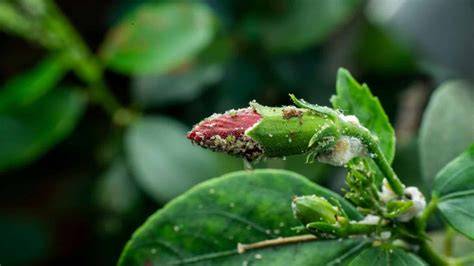
Hibiscus plants can attract several pests and may be susceptible to diseases. Common pests include aphids, whiteflies, and spider mites, which weaken your plant by sucking its sap. To manage these pests, introduce beneficial insects like ladybugs or use insecticidal soap. Fungal infections, such as powdery mildew and leaf spot, can also affect hibiscus, particularly in humid conditions. Good air circulation around your plants and avoiding overhead watering can help prevent these issues. If you notice any signs of disease, promptly remove the affected leaves and consider applying a fungicide if necessary.
Why isn’t my hibiscus blooming?
If your hibiscus isn’t blooming, several factors could be causing this issue. Insufficient sunlight is a common culprit; ensure your plant receives enough direct sunlight each day. Improper fertilization can also inhibit blooming; hibiscus benefits from a balanced fertilizer formulated for flowering plants during the growing season. Be cautious not to over-fertilize, as this can lead to lush foliage at the expense of flowers. Additionally, pruning mistakes may be a factor; if you prune too late in the season, you might cut off the buds that would have bloomed. Ideally, prune hibiscus in early spring to promote healthy growth and blooms.
How do I prune my hibiscus for the best results?
Pruning hibiscus is crucial for encouraging healthy growth and abundant blooms. The best time to prune is in early spring before new growth starts. Focus on removing dead or weak branches and cutting back any overly long stems to encourage bushier growth. Make clean cuts just above a leaf node to promote new growth. Avoid heavy pruning unless your plant has become overgrown; light trimming is often sufficient to keep it healthy. Remember that some varieties bloom on new wood, while others bloom on old wood, so understanding your specific hibiscus type can help you prune effectively.
What are the best practices for overwintering hibiscus?
To successfully overwinter hibiscus, especially in colder climates, take steps to protect them from frost and freezing temperatures. If your hibiscus is in a pot, consider bringing it indoors before the first frost. Place it in a bright location where it can still receive some light, but avoid direct heat sources. For ground-planted hibiscus, mulching around the base can help insulate the roots. In some cases, cutting the plant back in late fall can reduce its size and energy needs. Keep an eye on moisture levels during winter, as indoor conditions can often be drier than outside.
Conclusion
To grow hibiscus effectively, ensure they receive plenty of sunlight and are planted in well-draining soil. Establish a consistent watering routine and monitor for pests and diseases regularly to address any issues early. When spring arrives, prune your plants to encourage healthy growth, and take necessary steps to protect them during winter. Following these practices will help you enjoy vibrant hibiscus blooms in your garden.
Frequently Asked Questions
How often should I water my hibiscus?
Water your hibiscus regularly, especially during dry spells. Check the top inch of soil; if it feels dry, it's time to water. Hibiscus prefers consistent moisture, but avoid overwatering.
Can hibiscus survive winter?
Hibiscus can survive winter if properly protected. In colder climates, bring potted hibiscus indoors before frost or mulch around ground-planted hibiscus to insulate their roots.
What type of fertilizer is best for hibiscus?
A balanced fertilizer formulated for flowering plants is best for hibiscus. Look for one with equal ratios of nitrogen, phosphorus, and potassium, and apply it during the growing season.
Why are the leaves on my hibiscus turning yellow?
Yellow leaves on hibiscus can indicate overwatering, nutrient deficiencies, or pest issues. Check soil moisture, consider fertilizing, and inspect for any pests affecting your plant.
When is the best time to prune hibiscus?
The best time to prune hibiscus is in early spring before new growth begins. This encourages healthy growth and ensures you don’t cut off any buds that could bloom.