Understanding George Campbell: The Minister Who Changed Preaching
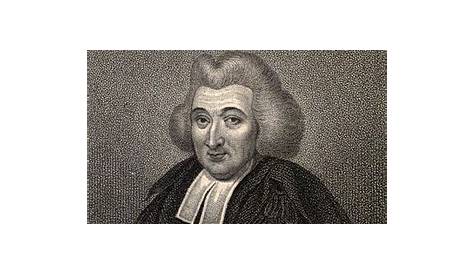
George Campbell was a 19th-century minister and theologian whose work significantly shaped preaching and church practices. He is best known for his innovative ideas on effective communication and homiletics, which continue to influence modern ministry today.
Who was George Campbell?
George Campbell was born in 1719 in Fife, Scotland. He pursued his education at the University of Edinburgh, where he developed a strong foundation in philosophy and theology. Campbell became a minister in the Church of Scotland and served in various capacities, including as a professor of divinity at Marischal College in Aberdeen. His pastoral work and academic contributions were pivotal in establishing his influential role in 19th-century ministry. Campbell's dedication to both preaching and teaching ensured that his impact was felt across multiple spheres of church life.
What were Campbell's key contributions?
Campbell is perhaps best known for his book "The Philosophy of Rhetoric," published in 1776. In this work, he explored the principles of effective communication, arguing that preaching should engage the audience's understanding and emotions. For example, he advocated for the use of everyday language and relatable examples in sermons, moving away from the dense theological jargon typical of his time. His emphasis on the rhetorical aspects of preaching helped shape the way sermons were crafted and delivered, making them more accessible to congregations. Additionally, Campbell's theories helped establish a framework for analyzing and improving public speaking, which remains relevant in both religious and secular contexts.
How did Campbell's ideas shape modern ministry?
Campbell's teachings on preaching continue to influence modern ministry in several ways. His focus on clarity and engagement in communication has led many ministers to prioritize connection with their audience over mere doctrinal exposition. This shift is evident in contemporary sermon styles, which frequently incorporate storytelling and practical applications. While some traditional settings still adhere to classical homiletics, many churches today adopt Campbell's principles to ensure their messages resonate with congregants. His legacy can be seen in how sermons are structured and delivered, emphasizing both the content and the manner of presentation.
Common misconceptions about Campbell
A widespread misconception is that Campbell rejected traditional theology in favor of a more liberal approach. In reality, while he emphasized effective communication, he remained committed to core theological beliefs. Another myth is that he believed all preaching should be entertaining. Instead, Campbell argued that while engagement is crucial, the primary goal of preaching should be to convey biblical truth effectively. His work is sometimes misinterpreted as advocating for a purely rhetorical style, overlooking the theological depth that underpins his teachings.
Further reading and resources
For those interested in exploring George Campbell's work further, here are some recommended resources:
- "The Philosophy of Rhetoric" by George Campbell
- "The Works of George Campbell" (includes various writings)
- Articles and essays on Campbell's influence in homiletics
- Websites dedicated to the study of historical theology and preaching.
Conclusion
To deepen your understanding of George Campbell and his impact on preaching, consider reading his works and studying how his principles apply in today's ministry contexts. Engaging with his ideas can enrich your approach to theology and communication within the church.
Frequently Asked Questions
What was George Campbell's most famous work?
His most famous work is "The Philosophy of Rhetoric," which discusses effective communication in preaching.
Did Campbell influence modern preaching styles?
Yes, his emphasis on clarity and engagement significantly shaped contemporary preaching styles.
Was Campbell a liberal theologian?
No, while he emphasized effective communication, he remained committed to core theological beliefs.
What are some key principles of Campbell's preaching philosophy?
Campbell advocated for using everyday language, relatable examples, and prioritizing audience engagement.