Understanding Gareth Edwards' Legacy in Rugby Union

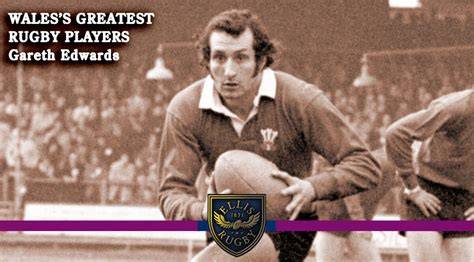
Gareth Edwards is widely recognized as one of the greatest rugby union players in history. His impact on the sport is profound, with a legacy that includes remarkable achievements and an influential playing style. Edwards not only excelled on the field but also reshaped the game for future generations of players.
Who is Gareth Edwards and why is he important?
Gareth Edwards was born on July 12, 1947, in Cardiff, Wales. He began his rugby career at an early age and quickly rose through the ranks to join the Welsh national team. Over his career, which spanned from 1966 to 1978, he earned 53 caps for Wales and scored 20 tries. Edwards played a pivotal role in Wales' dominance during the 1970s, contributing to their Grand Slam victories in 1971, 1976, and 1978. He also represented the British and Irish Lions, showcasing his talents on an international stage. His significance lies not just in his statistics but in how he embodied the spirit of Welsh rugby, bringing flair and tenacity to the field. Edwards is often celebrated for his sportsmanship, leadership, and ability to perform under pressure, making him a beloved figure in rugby history.
What made Gareth Edwards a standout player?
Gareth Edwards distinguished himself with a unique playing style that combined speed, agility, and exceptional decision-making. His ability to read the game allowed him to anticipate opponents’ moves, making him a formidable tactician. Known for his electrifying breaks and precise passing, Edwards often created scoring opportunities for his teammates. One of his most memorable skills was his sidestep, which allowed him to navigate through tight spaces effectively. This skill was crucial in creating space on the field during both attacking and defensive phases. While many players emphasized physicality, Edwards showcased that skill and strategy could prevail over brute force. Additionally, teamwork was central to his success; he thrived in a system that highlighted collective effort, underscoring the importance of cohesion in rugby.
How did Edwards shape the game of rugby?
Gareth Edwards significantly influenced the evolution of rugby union, particularly in how the game is played at the highest levels. His innovative approach to the position of scrum-half changed its perception, as he was among the first players to emphasize quick ball distribution and tactical kicking. This laid the groundwork for future generations of scrum-halves. His playing style also popularized the counter-attack, encouraging teams to adopt a more dynamic and fluid approach. As rugby evolved, the techniques he showcased became foundational elements in coaching young players. Beyond tactics, his sportsmanship and dedication set a standard for professionalism in rugby. While some modern players might be faster or stronger, Edwards’ combination of skill, intelligence, and sportsmanship remains a benchmark, highlighting the significance of mental acuity in the game.
What are some memorable matches featuring Gareth Edwards?
Several matches stand out in Gareth Edwards’ career, none more iconic than the 1973 game against England at Twickenham, where he scored a legendary try. This match is remembered not just for the victory but for how Edwards showcased his agility, breaking through multiple tackles to score. Another notable game was the 1976 Grand Slam decider against Ireland, where Edwards' leadership and strategic play were instrumental in clinching the championship. His performance in the 1977 match against the All Blacks also deserves mention; despite the loss, his skill and tenacity were evident, earning respect from rugby fans worldwide. These matches illustrate his ability to perform under pressure and consistently contribute to team success. While his individual brilliance shines through, it’s essential to appreciate the collective effort of the teams he played for, highlighting the interconnected nature of rugby.
How can aspiring rugby players learn from Gareth Edwards?
Aspiring players can learn valuable lessons from Gareth Edwards’ approach to rugby. First, focus on developing a well-rounded skill set; Edwards excelled at passing, kicking, and running, making him a versatile player. Practice decision-making abilities, as his knack for reading the game gave him an edge. Additionally, work on fitness; Edwards was known for his speed and agility, which allowed him to outmaneuver defenders. Embrace a team-oriented mindset, as rugby is fundamentally a team sport. Edwards thrived in collaborative environments, and understanding your role within a team is crucial. Lastly, maintain a sportsmanlike attitude, respecting opponents and teammates alike. This enhances your reputation and contributes to the overall spirit of the game.
Conclusion
To truly appreciate Gareth Edwards’ legacy, start by watching some of his classic matches to see his skills in action. Observe his decision-making and interactions with teammates on the field. Recognize that success in rugby is not solely about physical prowess; it also involves strategic thinking and teamwork. Emulate his skills while embodying his sportsmanship and leadership qualities, ensuring you not only play well but also uplift those around you.
Frequently Asked Questions
What awards did Gareth Edwards receive during his career?
Gareth Edwards received numerous accolades throughout his career, including being named the BBC Sports Personality of the Year in 1973. He was inducted into the International Rugby Hall of Fame in 1997 and appointed a Member of the Order of the British Empire (MBE) for his services to rugby.
How did Gareth Edwards influence modern rugby?
Edwards influenced modern rugby through his innovative playing style, particularly as a scrum-half. His focus on quick ball distribution and tactical awareness set a new standard for the position, which many players aspire to emulate today.
What positions did Gareth Edwards play?
Primarily, Gareth Edwards played as a scrum-half, a position where his quick thinking and agility allowed him to excel. He occasionally played as a full-back, showcasing his versatility on the field.
Is Gareth Edwards still involved in rugby today?
While Edwards is retired from professional play, he remains involved in rugby as a commentator and analyst, sharing insights and experiences with fans and aspiring players.
What is Gareth Edwards' most famous try?
Gareth Edwards' most famous try occurred during the 1973 match against England at Twickenham, where he made a remarkable solo effort, breaking through several tackles to score. This try is often hailed as one of the greatest in rugby history.