Exploring the Tanintharyi Line: A Journey Through Culture
The Tanintharyi Line is a railway in southern Myanmar that carries profound historical and cultural significance. Constructed during British colonial rule in the late 19th century, it connects the southern regions of the country, making it a crucial route for transporting goods and accessing cultural heritage sites. Journeying along the Tanintharyi Line not only reveals stunning landscapes but also provides an opportunity to explore the rich history and cultural narratives of the region, as well as the challenges it faces today.
What is the Tanintharyi Line and why is it important?
The Tanintharyi Line is a railway line in southern Myanmar, built during the British colonial period in the late 19th century. It was primarily constructed to facilitate the transportation of goods, particularly timber and agricultural products, from the interior to the ports. This railway was crucial for the region's economic development, helping integrate remote areas into the broader colonial economy. Additionally, it served a strategic military purpose, allowing British forces to move quickly in areas difficult to traverse by road. The historical significance of the Tanintharyi Line extends beyond its economic impact; it embodies the colonial ambitions and infrastructural developments that shaped Myanmar’s landscape. Today, remnants of this history can still be seen in the towns and stations along the route, some of which have preserved their colonial-era architecture, reflecting the blend of cultures in this part of the country.
What can I see along the Tanintharyi Line?
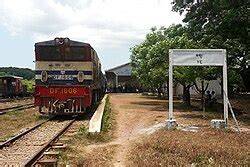
Traveling along the Tanintharyi Line offers diverse cultural sites, towns, and natural landscapes that enhance your experience. One notable stop is Dawei, the capital of Tanintharyi Region, known for its vibrant markets and beautiful beaches, including the popular Maungmagan Beach where you can relax and enjoy local seafood. Another highlight is the town of Myeik, famous for its stilt houses and proximity to stunning islands, ideal for exploring marine life and experiencing local fishing culture. You can also visit ancient pagodas in the area, which showcase the region's deep-rooted Buddhist traditions. The natural scenery along the line is equally captivating, featuring lush forests, rolling hills, and views of the Andaman Sea. Each stop along the Tanintharyi Line reveals a unique story, creating a rich blend of cultural and natural experiences.
What are the current challenges facing the Tanintharyi Line?
Despite its historical significance, the Tanintharyi Line faces several challenges today. Infrastructure issues are prominent, with parts of the railway needing repairs and upgrades to meet modern transportation standards. Political instability in Myanmar complicates travel along the line, impacting safety and accessibility. Preservation efforts for historical sites and landscapes are ongoing, but they often struggle against funding limitations and the need for local community involvement. Furthermore, environmental concerns, such as deforestation and climate change, threaten the natural habitats along the railway. The balance between development and preservation is delicate; increasing tourist interest can create both opportunities and challenges for local communities.
How can I travel the Tanintharyi Line?
Traveling the Tanintharyi Line requires planning, but it can be a rewarding experience. Start by flying into Dawei, the main gateway to the railway. From there, take the train, which operates on a limited schedule, so it’s essential to check the timetable in advance. Buses and taxis are also available for shorter trips between towns along the line. The best time to visit is during the dry season, from November to February, when the weather is pleasant for travel and outdoor activities. Be prepared for basic accommodations in some areas, as tourist infrastructure can vary. Engaging with local guides can enhance your experience, offering insights into the history and culture of the region.
What stories and experiences can travelers share about the Tanintharyi Line?
Travelers who have explored the Tanintharyi Line often share stories of unexpected encounters and the warmth of local communities. Many recall the striking landscapes, particularly the views of the coastline and lush greenery that are breathtaking. Anecdotes about the local cuisine, especially fresh seafood in Dawei, are common, as visitors enjoy trying regional dishes. Some travelers highlight the charm of the train journey, with its slow pace allowing for reflection and appreciation of the surroundings. Personal interactions with locals, whether through shared meals or guided tours, often leave lasting impressions, illustrating the region's rich cultural heritage. These experiences deepen one’s understanding of the Tanintharyi Line and create cherished connections long after the journey ends.
Conclusion
To begin your exploration of the Tanintharyi Line, plan your trip to Dawei, where you can start your journey along this historic railway. Focus on the towns and cultural sites that resonate with you, while remaining open to the unexpected experiences that may arise. A successful trip will leave you with a deeper appreciation for Myanmar's history and culture, along with lasting memories of stunning landscapes and welcoming communities.
Frequently Asked Questions
What is the best time to travel the Tanintharyi Line?
The best time to travel the Tanintharyi Line is during the dry season, from November to February. The weather during this period is generally pleasant, making it ideal for exploring the region's outdoor attractions.
Are there any guided tours available for the Tanintharyi Line?
Yes, guided tours are available that focus on the Tanintharyi Line, often including transportation, meals, and visits to key cultural sites along the route. Engaging a local guide can enhance your understanding of the area’s history and culture.
What should I pack for a trip along the Tanintharyi Line?
When traveling along the Tanintharyi Line, pack light and comfortable clothing suitable for warm weather. Essentials include sunscreen, a hat, and insect repellent, particularly if you plan to explore outdoor sites.
Is it safe to travel the Tanintharyi Line?
While many travelers visit the Tanintharyi Line without issues, it's important to stay informed about the current political situation in Myanmar. Checking travel advisories and connecting with local sources can help ensure a safer experience.
What types of transportation are available along the Tanintharyi Line?
Transportation options along the Tanintharyi Line include train services, buses, and taxis. The train operates on a limited schedule, so checking times in advance is crucial, while buses and taxis can be used for shorter distances between towns.