Exploring the Sydney Basin: Geology, Ecology, and More
For geography students studying Australia's geological features, the Sydney Basin is a critical area of focus. This significant geological formation extends across much of New South Wales, including Sydney and its surrounding regions. It plays a key role in understanding Australia’s geological history, featuring a variety of sedimentary rock layers and diverse ecosystems.
What exactly is the Sydney Basin?
The Sydney Basin is a geological basin located in New South Wales, Australia. It stretches from the Hunter River in the north to the Illawarra region in the south and includes the Sydney metropolitan area. Primarily composed of sedimentary rocks formed during the Permian to the Triassic periods, around 300 to 200 million years ago, these rocks include coal measures, sandstones, and shales. They provide valuable insights into the ancient environments that once existed here. The formation of the basin is linked to tectonic activities and sedimentation in a rift valley setting, making it significant for understanding Australia’s geological evolution. Additionally, the Sydney Basin is notable for its fossil records, which shed light on prehistoric ecosystems and species that once thrived in the area.
What makes the Sydney Basin unique?
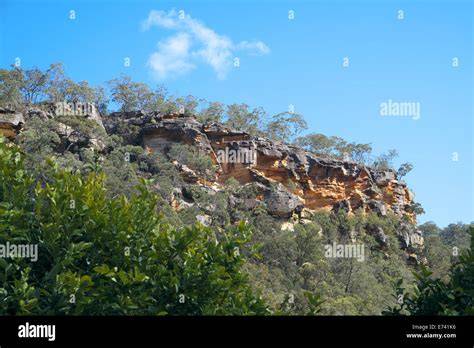
The Sydney Basin's uniqueness stems from its combination of geological and ecological features. Geologically, it contains remarkable formations like the Hawkesbury Sandstone, known for its cliffs and deep gorges, and the Narrabeen Group, which consists of fine-grained sediments. These rock layers not only shape the landscape but also influence local soil types, impacting vegetation and habitats. Ecologically, the basin supports diverse ecosystems, ranging from coastal heathlands to wet sclerophyll forests, which serve as habitats for a variety of wildlife. This ecological diversity makes the Sydney Basin a hotspot for biodiversity. However, these unique characteristics face threats from urban development, leading to habitat loss and fragmentation.
How has urban development affected the Sydney Basin?
Urban development has profoundly affected the Sydney Basin, particularly since Sydney's establishment as a city. Rapid population growth and urban sprawl have resulted in habitat destruction, pollution, and increased pressure on natural resources. Many areas once rich in native vegetation have been replaced by residential and commercial developments, leading to habitat fragmentation that hampers wildlife survival. Furthermore, pollution from urban runoff has negatively impacted waterways and local ecosystems. In response, various conservation efforts have been initiated, including the establishment of protected areas and initiatives aimed at restoring native vegetation. However, challenges persist in balancing urban growth with environmental preservation.
What are the key species found in the Sydney Basin?
The Sydney Basin hosts a variety of endemic species, both flora and fauna, uniquely adapted to its environments. Notable plant species include the Sydney blue gum and various types of banksias, which are essential for local ecosystems. Among the fauna, the eastern grey kangaroo and the powerful owl stand out, with the latter classified as vulnerable due to habitat loss. The basin also supports numerous bird species, reptiles, and amphibians, many of which depend on specific habitats that are increasingly at risk. The conservation status of these species varies, with some facing critical threats while others are more stable. Protecting these species through habitat conservation and restoration is vital for maintaining the biodiversity of the Sydney Basin.
What should I know if I want to study the Sydney Basin further?
If you’re interested in studying the Sydney Basin, several resources can enhance your understanding. Academic programs in geography, environmental science, and ecology at universities in New South Wales often include courses focused on the Sydney Basin. Engaging with local environmental organizations can provide opportunities for fieldwork and hands-on experience. Additionally, numerous publications and research papers explore various aspects of the basin, from geological surveys to ecological studies. Visiting the area itself can also offer valuable insights, as many parks and reserves showcase the basin’s unique features and biodiversity.
Conclusion
To study the Sydney Basin further, consider enrolling in academic programs that focus on geology or ecology. Look for research papers and conservation reports to deepen your understanding of its environmental challenges. Engaging with both academic and practical aspects will provide a comprehensive perspective on its geological and ecological significance, which is invaluable for any geography student.
Frequently Asked Questions
What is the main geological feature of the Sydney Basin?
The main geological feature of the Sydney Basin is its extensive sedimentary rock layers, which include formations like the Hawkesbury Sandstone and the Narrabeen Group. These layers tell the story of ancient environments and contribute to the area's unique landscape.
How does urban development impact biodiversity in the Sydney Basin?
Urban development leads to habitat loss, fragmentation, and pollution, which significantly impact biodiversity in the Sydney Basin. Many native species struggle to survive as their habitats are converted for residential and commercial use.
What kind of ecosystems can be found in the Sydney Basin?
The Sydney Basin encompasses a variety of ecosystems, including coastal heathlands, wet sclerophyll forests, and freshwater wetlands. Each of these ecosystems supports a diverse range of flora and fauna adapted to the specific conditions.
Are there any conservation efforts in place for the Sydney Basin?
Yes, there are several conservation efforts aimed at protecting the Sydney Basin's unique environments and species. These include the establishment of protected areas and initiatives focused on habitat restoration and biodiversity conservation.
What are some common species in the Sydney Basin?
Common species in the Sydney Basin include the eastern grey kangaroo, powerful owl, and various types of banksias. Many of these species are endemic to the region and play vital roles in the local ecosystems.