Exploring Khuzestan Province: A Journey Through History
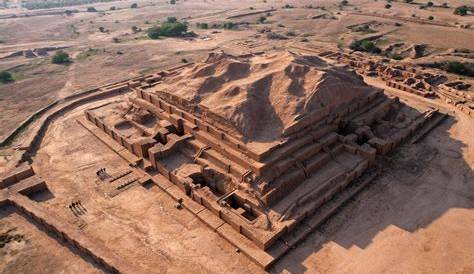
If you're planning a trip to explore Iran, consider Khuzestan province for its rich history, cultural significance, and natural beauty. This province is home to remarkable sites like the ancient ruins of Chogha Zanbil and vibrant local traditions. With stunning landscapes and a unique cultural heritage shaped by various ethnic groups, Khuzestan is a destination that promises an enriching travel experience.
What are the must-see attractions in Khuzestan?
Khuzestan features several iconic sites reflecting its long history and cultural significance. One of the top attractions is Chogha Zanbil, an ancient Elamite ziggurat dating back to around 1250 BC. As a UNESCO World Heritage Site, it is remarkable for its impressive architecture and historical importance. Another significant site is the ancient city of Susa, also a UNESCO World Heritage Site, where you can explore remnants of the Achaemenid Empire, including the Apadana Palace and the Tomb of Daniel.
The Dezful area is known for its beautiful landscapes and the famous Dez River. The lush greenery contrasts sharply with the arid surroundings, making it a perfect spot for outdoor activities like hiking and fishing. The city of Ahvaz, the provincial capital, offers attractions such as the White Bridge and the Karun River waterfront, where you can enjoy scenic views.
Additionally, don't miss the Shushtar Historical Hydraulic System, another UNESCO site showcasing ancient engineering marvels. Each of these sites presents a unique glimpse into the past and is worth exploring during your visit.
What cultural experiences can I find in Khuzestan?
Khuzestan's culture is rich and diverse, shaped by various ethnic groups, including Arabs, Persians, and Bakhtiaris. This diversity is reflected in local traditions, music, and cuisine. Participating in local festivals, such as the Nowruz celebrations marking the Persian New Year, is one of the best ways to experience the culture. During this time, you can enjoy traditional music, dance, and a variety of local dishes.
The cuisine is another highlight, featuring dishes with rice, lamb, and a variety of herbs and spices. Be sure to try local specialties like "kebab-e koobideh," minced meat grilled on skewers, and "ghorme sabzi," a beloved herb stew. Visiting a local bazaar offers a taste of the vibrant food culture and a chance to buy unique handicrafts.
Interactions with locals can enhance your cultural experience. People in Khuzestan are known for their hospitality, and sharing a meal with a local family can provide deep insights into their traditions and lifestyle.
How do I get to Khuzestan and navigate the region?
Getting to Khuzestan is straightforward, as it is well-connected to major cities in Iran. The province has its own airport, Ahvaz International Airport, which receives flights from Tehran and other major cities. If you prefer to drive, renting a car is an option, but be prepared for long stretches on the road.
Once in Khuzestan, public transportation options like buses and taxis are widely available. Buses can take you between cities, while taxis are convenient for shorter distances. Many attractions are close to each other, making it feasible to explore on foot, especially in cities like Dezful and Shushtar.
Learning a few basic Persian phrases can be helpful, as not everyone speaks English, particularly in rural areas. Getting a local SIM card for your phone can also assist with navigation and communication.
What should I know about the climate and best time to visit?
Khuzestan has a hot desert climate, characterized by very hot summers and mild winters. Summer temperatures can exceed 40°C (104°F), making outdoor activities uncomfortable. The best time to visit is during spring (March to May) and autumn (September to November) when temperatures are more moderate, ranging from 20°C to 30°C (68°F to 86°F).
These seasons also showcase beautiful natural scenery, especially in the Dezful area where greenery flourishes. Winter can be mild but is also the rainy season, so be prepared for occasional showers. If you plan to visit during the hotter months, aim for early morning or late afternoon excursions to avoid the heat.
Are there any safety tips or local customs I should be aware of?
Khuzestan is generally safe for travelers, but it's wise to take standard precautions such as being aware of your surroundings and securing your belongings. Respecting local customs is important, especially regarding dress codes. Women should wear a hijab and loose-fitting clothing, while men should avoid wearing shorts in public.
When interacting with locals, greetings are often warm and friendly. A simple smile and greeting in Persian ("salaam") can go a long way. Don't be surprised if you're offered tea or food; accepting these gestures is a sign of respect. Understanding and respecting these cultural norms can enhance your experience and foster positive interactions with the local community.
Conclusion
Start your exploration of Khuzestan by prioritizing visits to its historical sites like Chogha Zanbil and Susa. Immerse yourself in local culture through festivals and cuisine, and take the time to interact with residents for deeper insights. Khuzestan is more than just another part of Iran; its unique character offers rich experiences. A successful visit will leave you with beautiful memories and a newfound appreciation for this vibrant province.
Frequently Asked Questions
What is the best way to travel within Khuzestan province?
The best way to travel within Khuzestan is by using public transportation such as buses and taxis. Many cities are walkable, and taxis are readily available for short distances.
What are the common local dishes in Khuzestan?
Common local dishes include kebab-e koobideh, a minced meat kebab, and ghorme sabzi, a traditional herb stew. These dishes can be found in local restaurants and during family gatherings.
Is Khuzestan safe for tourists?
Khuzestan is generally considered safe for tourists, but it's always wise to take standard precautions like being aware of your surroundings and keeping your belongings secure.
What language is spoken in Khuzestan?
Persian (Farsi) is the official language, but Arabic and various local dialects are also spoken due to the province's ethnic diversity.
When is the best time to visit Khuzestan?
The best time to visit Khuzestan is during spring (March to May) and autumn (September to November) when the weather is milder and more pleasant for outdoor activities.