Exploring Hungary in 2018: Key Events and Cultural Highlights
If you're planning a trip to Hungary, it's essential to understand the significant events and cultural highlights from 2018. This year was pivotal due to parliamentary elections that shaped the political landscape, vibrant cultural festivals that celebrated Hungarian traditions, and economic developments that influenced daily life. Familiarizing yourself with these elements will enhance your appreciation of the country and help you plan your itinerary.
What were the most significant political events in Hungary in 2018?
2018 was marked by the parliamentary elections held in April, where Prime Minister Viktor Orbán's Fidesz party secured a significant victory, winning two-thirds of the seats in the National Assembly. This result allowed Orbán to continue his policies, which many viewed as increasingly authoritarian. The election underscored a growing divide in Hungarian society, with rising concerns about freedom of the press and civil liberties among critics. Opposition parties attempted to unite against Fidesz but struggled to gain substantial traction. The aftermath of the elections set the tone for Hungary’s political climate, emphasizing the challenges surrounding democracy, particularly as Orbán’s government continued to push nationalist and anti-immigration stances that resonated with many voters.
How did cultural festivals in 2018 reflect Hungarian identity?
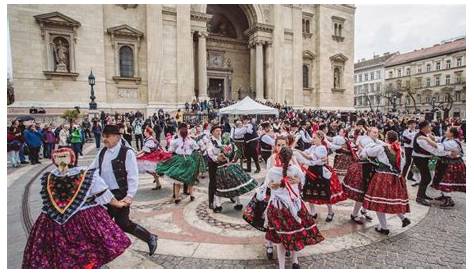
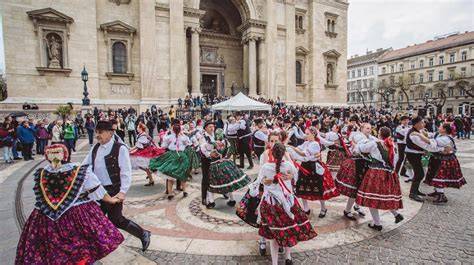
Cultural festivals in 2018, such as the Budapest Spring Festival, played a crucial role in showcasing Hungary’s rich heritage and artistic expression. The festival featured classical music, dance, and theater, attracting both locals and visitors. Events like the Sziget Festival, one of Europe’s largest music festivals, highlighted Hungary's vibrant youth culture and openness to international influences. These festivals celebrated traditional Hungarian arts and created a platform for contemporary artists, reflecting a blend of history and modernity. They reinforced a sense of national pride and community, allowing attendees to engage with both the past and the present of Hungarian culture. However, these celebrations faced challenges, including funding issues and the need to balance tradition with innovation.
What economic changes occurred in Hungary during 2018?
In 2018, Hungary's economy experienced robust growth, with a focus on reducing unemployment and increasing wages. The government implemented policies aimed at boosting domestic consumption and attracting foreign investment, creating a favorable economic environment. Major sectors like manufacturing, particularly automotive, and services flourished, contributing to a decrease in the unemployment rate to around 3.6%. While many benefited from these developments, issues like inflation and labor shortages began to emerge. The rise in wages, though beneficial for many workers, led to concerns about inflation affecting purchasing power. This economic landscape highlighted disparities in wealth distribution, particularly between rural areas and urban centers.
What social issues were prominent in Hungary in 2018?
Social issues in Hungary during 2018 were heavily influenced by the political climate, including rising tensions surrounding migration and civil rights. The government’s strict immigration policies sparked protests and debates, particularly among younger generations advocating for more inclusive practices. Activism concerning women's rights and LGBTQ+ issues also increased, leading to public demonstrations challenging conservative norms. While some citizens rallied for progressive changes, a significant portion of the population remained supportive of the government’s nationalist agenda, illustrating the ongoing struggle within Hungarian society between traditional values and modern human rights considerations.
How can I experience Hungary's 2018 culture today?
To engage with Hungary's culture today, consider attending annual festivals like the Budapest Spring Festival or the Sziget Festival, if your visit aligns with their schedules. Exploring local art galleries and theaters will provide insight into the country's evolving artistic landscape. Engaging with local communities through workshops or guided tours can deepen your understanding of contemporary social issues and their historical context. Additionally, visiting museums and historical sites will enrich your experience, allowing you to appreciate the cultural shifts that have taken place since 2018.
Conclusion
Start your exploration by checking the dates of major festivals happening during your visit to Hungary, as these events offer a rich glimpse into local culture. Don’t overlook smaller community events, which can provide authentic experiences. By immersing yourself in both the historical and contemporary aspects of Hungary, you’ll gain a well-rounded appreciation of the country, shaped by the events of 2018.
Frequently Asked Questions
What were the main political changes in Hungary in 2018?
The main political change was the victory of Viktor Orbán's Fidesz party in the April parliamentary elections, securing a two-thirds majority. This allowed the government to continue its nationalist and anti-immigration policies, raising concerns about democracy and civil liberties.
What cultural events should I attend in Hungary?
You should consider attending the Budapest Spring Festival and the Sziget Festival. Both offer diverse cultural experiences, showcasing Hungary's rich heritage and contemporary arts, appealing to a wide range of interests.
How did Hungary's economy perform in 2018?
Hungary's economy experienced robust growth in 2018, marked by low unemployment rates and rising wages. However, issues like inflation and labor shortages began to surface, impacting the overall economic landscape.
What social movements were active in Hungary in 2018?
In 2018, social movements focused on women's rights, LGBTQ+ rights, and immigration policies. Protests emerged against the government's conservative stance, reflecting a growing demand for progressive changes among certain segments of the population.
How can I learn more about Hungary's history during my visit?
Visiting museums, historical sites, and engaging in local cultural events can provide deep insights into Hungary's history. Look for guided tours that emphasize the social and political changes, especially those related to events from 2018.