Exploring Anıtkabir: A Visitor's Guide to Turkey's Mausoleum
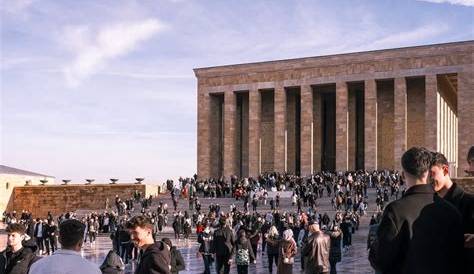
If you're planning to visit Anıtkabir, you're about to explore one of Turkey's most significant landmarks. Anıtkabir is the mausoleum of Mustafa Kemal Atatürk, the founder of modern Turkey, and serves as a symbol of national pride. This guide will help you understand its historical significance, key features, and how to enhance your visiting experience.
What makes Anıtkabir so important?
Anıtkabir is a cornerstone of Turkish history, serving as the final resting place of Mustafa Kemal Atatürk, who led the nation through a transformative period in the early 20th century. Established in 1953, it symbolizes Atatürk's reforms and the founding of a secular, modern state. The mausoleum not only honors Atatürk's contributions but also functions as a national gathering place for commemorative events, particularly on significant dates such as Republic Day. This cultural importance is deeply intertwined with Turkish identity, making it a site of pilgrimage for many citizens and visitors alike. Its design reflects Atatürk's vision—progressive yet rooted in national pride, resonating with both historical and contemporary Turkey.
What can I see at Anıtkabir?
At Anıtkabir, you will encounter several significant attractions that highlight its historical and cultural importance. The mausoleum itself is an impressive structure made of white stone, featuring a large, open courtyard and a grand entrance. Inside, Atatürk's sarcophagus serves as a striking centerpiece that captivates visitors. Adjacent to the mausoleum is the Atatürk Museum, where personal items, photographs, and documents provide insight into his life and the early Republic. The ceremonial area is also notable, often used for state ceremonies and military parades, showcasing the respect and admiration for Atatürk. Don't overlook the Peace Park surrounding the site, which offers a serene environment for reflection. Each area contributes to Turkey’s narrative and underscores Atatürk's enduring legacy.
When is the best time to visit Anıtkabir?
Timing your visit to Anıtkabir can significantly enhance your experience. Weekdays are generally preferable, as weekends often draw large crowds, especially during holidays and commemorative events. Early morning or late afternoon typically provides a quieter atmosphere, allowing for a more personal exploration. Weather also plays a role; visiting in spring (April to June) or fall (September to November) usually offers milder temperatures for a comfortable experience. Winter visits can be rewarding if you prefer fewer crowds, though the site may lack its usual vibrancy. Be aware that special events may attract larger crowds, so checking the calendar for national holidays or ceremonies can help you plan effectively.
What should I know before I go?
Before visiting Anıtkabir, keep a few practical considerations in mind. Dress modestly, as this site holds national significance; comfortable shoes are recommended due to the amount of walking involved. Accessibility is generally good, with ramps and paths suitable for those with mobility challenges. Photography is allowed in most areas, but be respectful, especially inside the mausoleum where restrictions may apply. Familiarizing yourself with the layout can enhance your visit, so consider picking up a map at the entrance or checking online resources. Also, be prepared for security checks, as the site is heavily monitored to ensure safety.
How can I make the most of my visit?
To enrich your experience at Anıtkabir, consider exploring nearby attractions after your visit. The Museum of the War of Independence is a short walk away and offers further insights into Turkey's history. Participating in guided tours can deepen your understanding of the significance of various elements within Anıtkabir, often revealing details you might miss on your own. Keep an eye out for cultural events and commemorations; these can add a unique layer to your visit, allowing you to see how modern Turkey honors its past. Finally, take time to absorb the atmosphere; Anıtkabir is not just a historical site but a vibrant part of Turkish culture and identity.
Conclusion
Begin your visit by exploring the mausoleum and its immediate surroundings before continuing to the museum for additional context. Focus on absorbing the atmosphere and significance of the site; this approach can be just as rewarding as capturing every detail. A fulfilling visit will leave you with a deeper appreciation for Atatürk and the impact he had on modern Turkey, along with a sense of connection to the country's ongoing narrative.
Frequently Asked Questions
What is the significance of Anıtkabir?
Anıtkabir is significant as the mausoleum of Mustafa Kemal Atatürk, the founder of modern Turkey. It represents the values and reforms Atatürk implemented and serves as a national symbol of pride and remembrance.
Is there an entrance fee for Anıtkabir?
No, Anıtkabir is free to enter, allowing all visitors to pay their respects and explore the site without any cost.
Are there guided tours available at Anıtkabir?
Yes, guided tours are available and can enrich your experience by providing detailed insights into the history and significance of various areas within Anıtkabir.
What should I wear when visiting Anıtkabir?
It's best to dress modestly and comfortably, as Anıtkabir is a site of national importance. Comfortable shoes are recommended due to the amount of walking involved.
Can I take photos inside Anıtkabir?
Photography is generally allowed in most areas of Anıtkabir, but be respectful, especially inside the mausoleum where restrictions may apply.