Understanding the Evangelical Church of Egypt (Synod of the Nile)
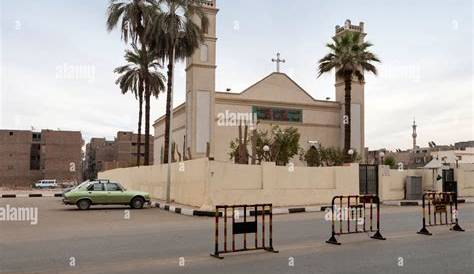
The Evangelical Church of Egypt (Synod of the Nile) has a rich history and plays a vital role in the Christian community in Egypt. Founded in the 19th century, it has become a significant force for social change and interfaith dialogue in a diverse religious context. Understanding its history, beliefs, and current challenges will enhance your appreciation of its impact today.
What is the Evangelical Church of Egypt and its origins?
The Evangelical Church of Egypt, known as the Synod of the Nile, was established in the early 19th century. Its origins can be traced back to the work of Protestant missionaries from Europe and America who aimed to spread the Gospel, as well as provide education and healthcare. The church formally organized in 1854 and has since adapted to the local culture while maintaining its core principles. It gained respect within Egyptian society through establishing schools, hospitals, and community services that addressed social needs. Over the years, the church has fostered a strong sense of community among its members and engaged with various Christian denominations in Egypt.
What are the core beliefs and practices of the Synod of the Nile?
The Synod of the Nile adheres to traditional Protestant beliefs, emphasizing salvation through faith in Jesus Christ, the authority of Scripture, and the priesthood of all believers. Worship services incorporate both contemporary and traditional styles, featuring hymns, prayers, and sermons that resonate with the congregation. The church emphasizes community involvement and social justice, encouraging members to participate in outreach activities such as helping the needy, providing educational resources, and advocating for human rights. While the core beliefs remain consistent, local expressions of faith may vary, reflecting Egypt's diverse cultural landscape. Congregations often engage in interfaith dialogue to promote understanding among different religious groups.
Who are the influential leaders in the church's history?
The Evangelical Church of Egypt has been shaped by several notable figures. A significant leader was Dr. Samuel Z. Attia, who played a crucial role in the church's growth in the 20th century, particularly in education and social services. Another influential figure is Rev. Dr. Ayman A. A. Ibrahim, recognized for his contributions to theological education and interfaith dialogue. These leaders have helped shape the church's mission and vision, creating a legacy that continues to influence its direction and societal relationships. Their work has focused on integrating faith with social responsibility, pushing the church to address contemporary issues while staying true to its core beliefs.
What challenges does the Evangelical Church face today?
The Evangelical Church of Egypt faces several challenges today. Religious freedom is a significant concern, as Christians often encounter societal pressures and discrimination. Internal dynamics, such as differing views on theology and governance, can create tensions within the community. Additionally, poverty and unemployment in Egypt pose ongoing challenges for the church's outreach efforts. However, these challenges also present opportunities for growth and renewal. The church can strengthen its role as a voice for the marginalized and promote social justice initiatives that align with its values. By proactively addressing these issues, the Synod of the Nile can continue to make a meaningful impact both locally and nationally.
How does the church connect with the wider community?
The Evangelical Church of Egypt actively engages with the wider community through various outreach programs and partnerships. These initiatives focus on education, healthcare, and social justice. The church operates schools and vocational training centers that empower underprivileged communities. Collaborations with local NGOs and international organizations enhance its outreach capacity, allowing it to tackle pressing social issues more effectively. The church also participates in interfaith dialogue, fostering relationships with other religious groups to promote peace and understanding. Through these efforts, the Synod of the Nile seeks to fulfill its mission of service while building a stronger, more inclusive society.
Conclusion
To gain a deeper understanding of the Evangelical Church of Egypt, explore its historical context and how it has shaped the church's identity today. Its community engagement is an essential aspect of its mission. Observing how this church can inspire your own community efforts, particularly in addressing social issues and fostering interfaith dialogue, can lead to meaningful outcomes.
Frequently Asked Questions
What is the Evangelical Church of Egypt known for?
The Evangelical Church of Egypt is known for its commitment to social justice, education, and healthcare. It actively engages in community service and promotes interfaith dialogue among different religious groups.
How does the Synod of the Nile differ from other Christian denominations in Egypt?
The Synod of the Nile differs in its Protestant beliefs and practices, emphasizing personal faith and community involvement. Unlike some other Christian denominations, it focuses on modern worship styles and social outreach.
What are the main challenges facing the Evangelical Church today?
The main challenges include issues of religious freedom, societal discrimination against Christians, and internal dynamics that can create tensions within the church community.
Who are some notable figures in the history of the Synod of the Nile?
Notable figures include Dr. Samuel Z. Attia, who significantly contributed to the church's growth, and Rev. Dr. Ayman A. A. Ibrahim, known for his work in theological education and interfaith relations.
How does the Evangelical Church engage with social issues?
The church engages with social issues through outreach programs focused on education, healthcare, and advocacy for marginalized communities, often partnering with local and international organizations.