Understanding Eugene Bloch's Contributions to Psychology
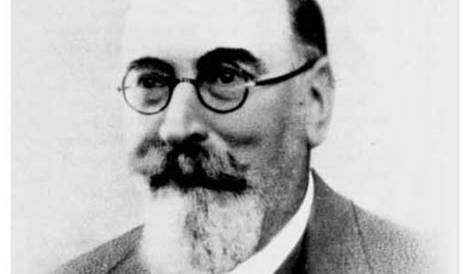
Eugene Bloch was a significant figure in psychology and philosophy, known for his interdisciplinary approach that influenced both fields. His work examined human behavior and consciousness, offering insights that continue to shape contemporary thought. Understanding his contributions is essential for anyone studying the evolution of psychological and philosophical ideas, particularly regarding reality and identity.
Who was Eugene Bloch and why is he significant?
Eugene Bloch was a prominent figure in the early to mid-20th century, recognized for merging psychology and philosophy through an interdisciplinary lens. Born in the late 1800s, he studied both fields, reflecting a profound understanding of human nature and existential questions. His significance stems from his challenge to prevailing theories of his time that simplified the complexities of the human psyche. Unlike many contemporaries who adhered strictly to psychological constructs or philosophical doctrines, Bloch encouraged dialogue between the two disciplines, emphasizing the necessity of subjective experience in understanding human behavior.
What are the key theories proposed by Bloch?
Bloch introduced several key theories exploring the relationship between consciousness and reality. One central idea is 'subjective reality,' which suggests that individual perceptions shape our understanding of the world. This theory posits that our experiences and feelings are integral to shaping our reality rather than mere reactions to external stimuli. Another significant contribution is his exploration of the self and identity; he argued that identity is fluid and shaped by both internal and external factors, challenging static notions of self. Bloch also examined existential themes, noting that anxiety and uncertainty are inherent to the human condition, influencing behavior and decision-making.
How did Bloch influence contemporary thought?
Bloch's influence is evident in various psychological and philosophical discussions today. His ideas about subjective reality laid the groundwork for existential psychology and phenomenology, which emphasize individual experience as central to understanding human behavior. His work has been particularly impactful in psychotherapy, where recognizing a patient's subjective reality is crucial for effective treatment. Additionally, Bloch’s views on identity resonate in modern discussions about gender and cultural identity, highlighting the roles of fluidity and context. Scholars and practitioners continue to draw from his insights, reflecting the ongoing relevance of his theories in contemporary discourse.
What notable works did Eugene Bloch publish?
Eugene Bloch published several significant works throughout his career, contributing to the dialogue between psychology and philosophy. One notable publication is "The Nature of Reality," where he explores the interplay between perception and existence, analyzing how subjective experiences shape our understanding of reality. Another key work, "Identity and Experience," delves into the dynamics of self-conception and the factors influencing personal identity over time. In these texts, Bloch articulates his theories clearly, making them accessible to both scholars and general readers interested in the complexities of human experience. His writings remain a valuable resource for anyone studying the intersections of psychology and philosophy.
How can I explore Bloch's ideas further?
To delve deeper into Eugene Bloch's contributions, start by reading his major works, such as "The Nature of Reality" and "Identity and Experience." These texts provide foundational insights into his theories and are often cited in contemporary discussions of psychology and philosophy. You might also explore secondary literature that critiques or builds upon Bloch's ideas; academic journals on existential psychology could be particularly useful. Joining discussion groups or online forums focused on philosophy and psychology can enhance your understanding and allow you to engage with others interested in Bloch's work.
Conclusion
Begin by reading some of Eugene Bloch's key texts to gain a firsthand understanding of his theories. Focus on how his ideas about subjective reality and identity can inform your perspective on modern psychology and philosophy. Engaging with his work will likely provoke new thoughts about experience and self, enriching your studies in these fields.
Frequently Asked Questions
What were Eugene Bloch's main contributions to psychology?
Eugene Bloch's main contributions include his theories on subjective reality and identity, emphasizing how individual perception shapes human behavior and consciousness. He challenged traditional views by arguing that our experiences significantly influence our understanding of the world and ourselves.
How did Bloch's work impact modern philosophy?
Bloch's work significantly impacted modern philosophy by integrating psychological insights into existential and phenomenological discussions. His ideas about the fluidity of identity and the nature of reality continue to influence contemporary philosophical thought.
Are there any specific psychological theories that Bloch influenced?
Bloch influenced several psychological theories, particularly those within existential psychology and phenomenology. His emphasis on subjective experience has informed therapeutic practices that prioritize understanding a patient's individual perspective.
What is the significance of Bloch's concept of subjective reality?
Bloch's concept of subjective reality emphasizes that our perceptions and experiences shape our understanding of the world. This idea has profound implications for psychology, suggesting that grasping an individual's experience is crucial for understanding their behavior and motivations.
Where can I find more resources on Eugene Bloch?
You can find more resources on Eugene Bloch through academic libraries, online databases, and philosophy or psychology-focused websites. His published works are a great starting point, and secondary literature analyzing his contributions can provide additional insights.