Understanding the Role of a Dissident Prophet
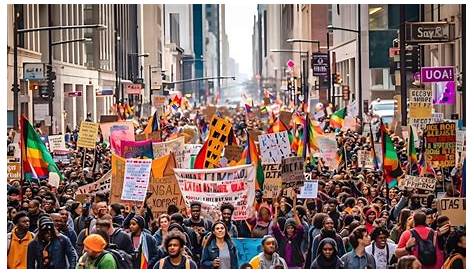
A dissident prophet is someone who challenges established beliefs and norms, especially within religious or social contexts, to promote justice and truth. These individuals often inspire others to envision a different future by voicing dissent against injustice and oppression. Historical figures like Martin Luther King Jr. exemplify this role, as they advocated for reform and civil rights while questioning the status quo.
What is a dissident prophet?
A dissident prophet speaks out against prevailing norms and challenges the status quo, often advocating for social justice or moral integrity. This concept has roots in both religious and social contexts, where individuals feel compelled to voice dissent against injustice or oppression. In the religious realm, biblical prophets frequently delivered messages that contradicted the established order, advocating for the marginalized and calling for change. In modern times, Martin Luther King Jr. stands out as a prominent example, using his voice to challenge racial segregation and inequality in America. He envisioned a society based on equality and justice, embodying the essence of a dissident prophet by standing up against deeply entrenched societal norms and inspiring others to join him in the civil rights movement.
How do dissident prophets challenge the status quo?
Dissident prophets challenge the status quo through various methods, employing rhetoric that provokes thought and inspires action. They share a vision that highlights injustices, urging society to reconsider its beliefs and practices. Motivated by a deep moral conviction or a sense of responsibility, they advocate for those who are voiceless. Their approaches include speeches, writings, and grassroots organizing to raise awareness and mobilize others. While some embrace them as visionary leaders, others may perceive them as disruptors or threats to established norms. This tension underscores the significance of their role, as dissident prophets must balance inspiring change with the potential for backlash from those resistant to their messages.
What are some historical examples of dissident prophets?
Throughout history, many figures have emerged as dissident prophets, each leaving a distinct mark on society. Besides Martin Luther King Jr., we can consider Mahatma Gandhi, who challenged British colonial rule in India through nonviolent resistance, advocating for self-determination and equality. Nelson Mandela fought against apartheid in South Africa, pushing for a democratic society that recognized the rights of all citizens. Rosa Parks' refusal to give up her bus seat symbolized the struggle against racial segregation. Each of these individuals faced significant opposition but ultimately influenced societal change, demonstrating that the actions of dissident prophets resonate well beyond their immediate context.
How do dissident prophets affect modern social movements?
Today, dissident prophets continue to play a crucial role in various social movements. The Black Lives Matter movement features figures who challenge systemic racism and advocate for police reform and social justice. Similarly, climate activism has brought forth voices like Greta Thunberg, who mobilizes millions to confront climate change and demand action from political leaders. These contemporary dissident prophets often leverage social media platforms to amplify their messages, reaching a broader audience than ever before. However, they also face significant challenges, including pushback from established institutions and skepticism from segments of society. Their impact is evident in how they inspire collective action and reshape public discourse around pressing issues.
What can we learn from dissident prophets today?
The lessons from dissident prophets are vital for addressing contemporary challenges. They emphasize the importance of standing up for our beliefs and advocating for justice, even when it’s unpopular. Drawing inspiration from their courage and resilience can empower you to challenge societal norms in your own life. Engaging with their stories fosters a deeper understanding of the complexities involved in social change. Whether through volunteering, educating others, or simply being more aware of injustices, embodying the spirit of a dissident prophet can lead to meaningful contributions in your community. Embracing their lessons encourages reflection on your values and consideration of how you can advocate for a more just society.
Conclusion
Start by identifying an issue you care deeply about and seek out the voices of dissident prophets who address that issue. Engage with their teachings and consider how you can contribute to the conversation or movement. Reject the notion that change is impossible or that your voice doesn’t matter. A positive outcome looks like increased awareness of social issues and empowerment to take action, no matter how small, in your own life and community.
Frequently Asked Questions
What is the difference between a prophet and a dissident prophet?
A prophet typically conveys messages from a divine source, emphasizing spiritual truths. A dissident prophet challenges societal norms and injustices, speaking out against established beliefs or authorities to advocate for change.
Can anyone become a dissident prophet?
Yes, anyone can become a dissident prophet if they feel compelled to challenge injustices and speak out against the status quo. This often requires courage, conviction, and a willingness to face opposition.
Are dissident prophets always well-received?
Not necessarily. While some may be embraced as leaders of change, others often face significant backlash from those who feel threatened by their messages, leading to controversy and conflict.
How do dissident prophets influence future generations?
Dissident prophets often leave a legacy that inspires future generations to question norms and advocate for justice. Their stories and teachings motivate others to take action and continue the fight for social change.
What role does social media play for dissident prophets today?
Social media provides a platform for dissident prophets to reach a wider audience, mobilize supporters, and share their messages quickly. It amplifies their voices and facilitates grassroots organizing around issues they care about.