Discovering Sangagiri: A Journey Through History and Culture
Sangagiri is known for its historical significance, primarily due to the Sangagiri Fort, which has stood since the 17th century. This small town in southern India offers travelers rich cultural experiences alongside its historical landmarks, including temples that reflect the vibrant local traditions. With its ancient architecture and local cuisine, Sangagiri is a compelling destination for those interested in history and culture.
What is Sangagiri known for?
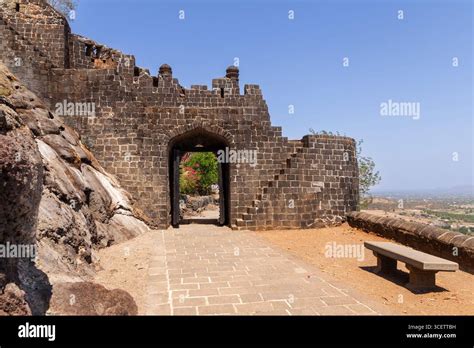
Sangagiri's historical significance is anchored in its strategic location and the fort that dominates its landscape. The Sangagiri Fort, built in the 17th century, is a key landmark, having served as a military stronghold for various dynasties, including the Mysore Kingdom. The fort's architecture showcases a blend of military design and local artistry, with sturdy walls and watchtowers that offer breathtaking views of the surrounding countryside. The town is also home to several temples, such as the Sri Chennakesava Temple, which reflect the local architectural style and religious devotion. Events like the annual temple festivals draw visitors and celebrate local culture, allowing you to witness traditional rituals and local music. Sangagiri's history, steeped in battles and alliances, makes it a fascinating destination for anyone interested in the stories behind the stones and the people who lived here.
What are the must-visit attractions in Sangagiri?
When in Sangagiri, be sure to explore several standout attractions that define its cultural landscape. The Sangagiri Fort is a highlight; walking through its ancient walls gives you a palpable sense of history. The fort is not just a military structure; its scenic viewpoints provide stunning vistas of the surrounding hills and fields, especially at sunset. Another essential stop is the Sri Chennakesava Temple, known for its intricate carvings and serene ambiance—a peaceful spot to absorb local spirituality and admire craftsmanship. Nature lovers will appreciate the nearby hills, offering trekking opportunities that reveal the region's natural beauty. These trails present both a physical challenge and picturesque views. If you're seeking a bit of adventure, consider visiting the nearby waterfalls, particularly vibrant during the monsoon season. Each of these attractions presents a different facet of Sangagiri, ensuring a well-rounded experience for visitors.
How can I get to Sangagiri and get around?
Getting to Sangagiri is straightforward, as it is well-connected by road and rail. The nearest major city is Salem, approximately 30 kilometers away. From Salem, you can hire a taxi or take a local bus to Sangagiri. If you prefer train travel, the nearest railway station is also in Salem, with regular services from major cities like Chennai and Bangalore. Once you arrive in Sangagiri, getting around is best done by auto-rickshaws or local taxis, as public transportation options are limited. The town is small enough to explore many attractions on foot, allowing you to absorb the local atmosphere and interact with residents. For visits to more remote sites, consider renting a scooter or bike for greater flexibility.
What local dishes should I try in Sangagiri?
Sangagiri offers a delightful array of local cuisine that reflects the flavors of Tamil Nadu. Be sure to try traditional South Indian breakfast items like idli (steamed rice cakes) and dosa (crispy rice crepes), typically served with spicy chutneys and sambar (a lentil-based vegetable stew). For lunch, you can't go wrong with a thali, a platter featuring a variety of dishes, including rice, dal, vegetables, and pickles, providing a taste of different flavors in one meal. Don't miss out on local delicacies like payasam (a rice or vermicelli pudding) or mysore pak (a rich, buttery sweet) for dessert. Small local eateries, known as “mess,” are often the best places to sample authentic dishes, so ask locals for recommendations. Exploring Sangagiri’s culinary scene will enhance your travel experience and leave you with lasting memories of the region's food culture.
What should I know before visiting Sangagiri?
Before you set off to Sangagiri, a few practical tips can enhance your visit. The best time to visit is between October and March when the weather is cooler and more pleasant for exploring. Dress modestly, especially when visiting temples, as this aligns with cultural norms. Be mindful of local customs, such as removing your shoes before entering sacred spaces. While safety is generally not a concern in Sangagiri, stay aware of your surroundings and secure your belongings. If you plan to interact with locals, learning a few words of Tamil can help build rapport. Finally, while Sangagiri is small, having a rough itinerary will help you balance historical exploration with local experiences.
Conclusion
Begin your Sangagiri adventure by visiting the Sangagiri Fort to immerse yourself in its history, then explore the local temples for a taste of culture. Be sure to indulge in the local cuisine, a highlight of any trip to the region. While you can skip some lesser-known attractions, experiencing the hospitality of the locals and the beauty of the surrounding nature is essential. A successful visit will deepen your appreciation for Sangagiri's unique blend of history and culture.
Frequently Asked Questions
What is the best time to visit Sangagiri?
The best time to visit Sangagiri is between October and March, when the weather is cooler and more comfortable for exploring the town and its attractions.
Are there accommodations in Sangagiri?
Yes, Sangagiri offers a range of accommodations, from budget guesthouses to mid-range hotels. It's advisable to book in advance, especially during peak travel seasons.
What languages are spoken in Sangagiri?
Tamil is the primary language spoken in Sangagiri. Some locals may also understand basic English, particularly in tourist areas.
Is Sangagiri safe for tourists?
Sangagiri is generally safe for tourists, but it's wise to stay aware of your surroundings and take standard safety precautions.
What activities are popular in Sangagiri?
Popular activities in Sangagiri include exploring the Sangagiri Fort, visiting local temples, trekking in the nearby hills, and enjoying traditional South Indian cuisine.