Discovering Malacca: A Journey Through History and Culture
If you’re planning a trip to Malaysia, make sure to include Malacca on your itinerary. This historic city, a UNESCO World Heritage Site, is known for its cultural heritage and significant role in global trade. Once a bustling port on the maritime Silk Road, Malacca showcases a unique blend of Malay, Chinese, and Indian influences in its architecture, cuisine, and traditions. Exploring Malacca provides a deeper understanding of a crucial chapter in Southeast Asian history.
What makes Malacca historically significant?
Malacca's historical significance comes from its strategic location along trade routes connecting East and West. Founded in the 15th century, it quickly became a vital trading port for spices, silk, and other goods. The city attracted merchants from countries such as China, India, and Portugal, leading to a rich cultural exchange. Key figures like Parameswara, the city's founder, along with colonial powers such as the Portuguese and Dutch, shaped its development. Events like the Portuguese conquest in 1511 and the Dutch takeover in 1641 marked crucial turning points. This colonial history contributes to Malacca's diverse cultural heritage, making it a fascinating place to explore. Its blend of influences is visible in the architecture, festivals, and everyday life of its residents, reflecting a history that is still alive today.
What are the must-visit attractions in Malacca?
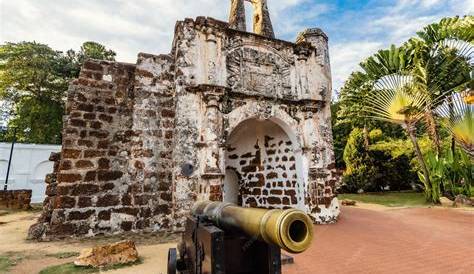
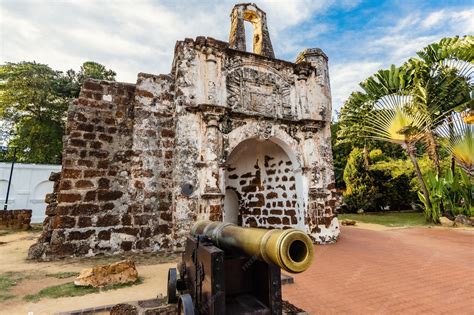
When visiting Malacca, several attractions stand out for their historical and cultural significance. A Famosa is one of the oldest surviving European architectural remains in Asia, originally built by the Portuguese. Today, you'll find a crumbling gateway that tells the story of colonial conquest. Christ Church, with its iconic red facade, is another must-see; it's a fine example of Dutch colonial architecture and houses a museum showcasing local history. Jonker Street is famous for its vibrant night market and antique shops, where you can find unique souvenirs and local crafts. Expect to see a lively atmosphere filled with street food vendors and performers, especially on weekends. St. Paul's Hill offers stunning views of the city and features the ruins of St. Paul's Church, adding to the historical experience. Each of these sites encapsulates a piece of Malacca’s rich history and cultural diversity, making them essential stops on your visit.
What local dishes should I try while in Malacca?
Malacca's cuisine beautifully reflects its multicultural heritage. One iconic dish to try is Chicken Rice Ball, a unique twist on traditional Hainanese chicken rice, where rice is molded into small balls for easy eating. Nyonya Laksa, a spicy coconut noodle soup featuring a variety of ingredients, is another must-try. For dessert, savor Cendol, a refreshing treat made from shaved ice, coconut milk, and green rice flour jelly. These dishes are widely available in various eateries throughout the city, especially on Jonker Street, where many local restaurants serve authentic versions. Sampling these dishes offers a taste of Malacca’s vibrant culinary scene, showcasing the area's diverse cultural influences.
How can I best experience the culture of Malacca?
To immerse yourself in Malacca's culture, engage with local customs and traditions. Attend festivals like the Malacca River Festival or visit during Chinese New Year to experience colorful street celebrations. Participate in traditional cooking classes to explore the Peranakan culture, which blends Malay and Chinese influences. Exploring local markets where artisans sell handmade goods provides insight into the craftsmanship and daily life of residents. Interacting with locals can enrich your experience, as they are often welcoming and eager to share their stories and traditions, deepening your understanding of the cultural blend that defines Malacca.
What practical tips do I need for my trip to Malacca?
For a smooth trip to Malacca, consider your transportation options. The city is walkable, but you can also use rideshare apps or local taxis for longer distances. The best time to visit is between June and September when the weather is relatively dry. Be aware that weekends and public holidays may attract larger crowds at attractions. Familiarize yourself with local customs, such as greeting with a nod or a handshake, and be respectful of religious practices. Carry cash, as some smaller vendors may not accept credit cards, and remember to bargain when shopping at local markets.
Conclusion
Start your exploration of Malacca at A Famosa to gain insight into the city's colonial past. Don’t miss Jonker Street for a taste of local life and cuisine, and engage with the friendly locals to enhance your experience. Focus on quality over quantity; savor the unique dishes and attractions without trying to see everything. The goal is to absorb the history and culture that make Malacca a truly special destination.
Frequently Asked Questions
What is the best time to visit Malacca?
The best time to visit Malacca is generally from June to September, when the weather is drier. However, weekends and public holidays can attract larger crowds.
Is Malacca safe for tourists?
Yes, Malacca is considered safe for tourists. However, like any city, it's wise to stay aware of your surroundings and take standard precautions against petty crime.
How do I get to Malacca from Kuala Lumpur?
You can reach Malacca from Kuala Lumpur by bus, which takes about two to three hours. Several bus companies operate daily services, making it a convenient option.
What currency is used in Malacca?
The currency used in Malacca is the Malaysian Ringgit (MYR). It's advisable to carry some cash, especially for smaller vendors and markets.
Are there guided tours in Malacca?
Yes, there are various guided tours available in Malacca, including walking tours that focus on historical and cultural highlights. These can enhance your understanding of the city's rich heritage.