Discovering Guido Morselli: The Unseen Genius of Italian Literature
Guido Morselli was a significant yet largely unrecognized Italian writer of the mid-20th century. His literary contributions, characterized by deep explorations of existential themes and sharp societal critiques, have only recently begun to receive the attention they deserve. Understanding Morselli's life, key works, and the reasons behind his lack of recognition can enhance your appreciation for Italian literature and the talent that often goes unnoticed.
Who was Guido Morselli and why should I care?
Guido Morselli was an Italian novelist and essayist born in 1912 in Bologna. His life was marked by a struggle between intellectualism and societal expectations, which profoundly influenced his writing. A man of ideas, Morselli engaged with philosophy, politics, and the human condition, reflecting a longing for authenticity in a world he viewed as increasingly artificial. Despite his talent, he published only a handful of novels and faced rejection from publishers, resulting in a lack of recognition during his lifetime. Today, literary scholars and enthusiasts are rediscovering his work, recognizing him as a significant figure in Italian literature who explored themes that resonate with contemporary issues. Morselli's ability to channel existential angst and critique societal norms makes his work compelling for anyone interested in thought-provoking literature.
What are the major themes in Morselli's works?
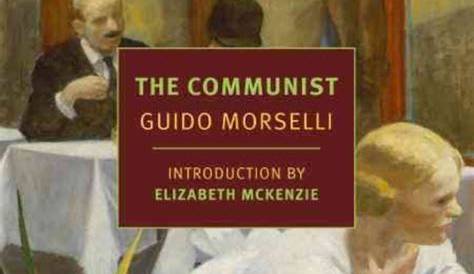
Morselli's novels are rich with themes of existentialism, identity, and societal critique. One of his most notable works, "Contro-passato prossimo," explores the nature of memory and how the past influences the present, highlighting how our identities are shaped by our experiences. Another significant work, "Il Comunista," examines the complexities of political ideology and personal conviction, reflecting Morselli's disillusionment with the political climate of his time. His writing often juxtaposes individual desires against societal expectations, creating a tension that drives his narratives. In "Dissipatio H.G.," Morselli imagines a world where humanity has disappeared, prompting reflections on solitude and the human condition. These themes resonate not only with Morselli's time but also with contemporary readers grappling with similar existential questions.
Why was Morselli overlooked in his time?
Morselli's obscurity can be attributed to several factors, primarily the cultural and literary context of his era. During the 1950s and 60s, when Morselli was actively writing, Italian literature was shifting towards postmodernism and realism, which often favored conventional narratives. Morselli's unconventional style and philosophical themes did not align with mainstream preferences, leading to his works being overshadowed. Additionally, Morselli's personal circumstances, including struggles with mental health and a lack of connections in the literary world, contributed to his marginalization. Despite his talent, he was often seen as an outsider in a literary scene that favored conformity and commercial viability. This lack of recognition during his life makes his posthumous rediscovery all the more poignant, as readers and critics now reassess his contributions to literature.
How has Morselli influenced contemporary writers?
Morselli's influence on contemporary literature is subtle but significant. His exploration of existential themes and societal critique can be seen in the works of modern authors who engage with similar issues. Writers such as Roberto Bolaño and David Foster Wallace echo Morselli’s concerns about the human condition and the complexities of identity in their narratives. Morselli's narrative techniques, including his introspective style and philosophical musings, resonate with the fragmented storytelling often found in contemporary literature. Furthermore, the renewed interest in Morselli's works has inspired a new generation of writers to explore themes of alienation and authenticity, underscoring the timeless nature of his insights. As literature evolves, Morselli’s ideas continue to find relevance, bridging the past and present.
Where should I start if I want to read Morselli?
If you're looking to start reading Morselli, a good entry point is "Dissipatio H.G.," which offers a haunting yet thought-provoking narrative about existence and solitude. This novel encapsulates many of Morselli's core themes and provides insight into his philosophical outlook. Another excellent choice is "Contro-passato prossimo," where you can experience Morselli's exploration of memory and identity. Each of these works showcases his unique voice and ability to engage with deep existential questions. Readers can expect a blend of philosophical inquiry and compelling storytelling that challenges conventional narratives, making for a rewarding experience.
Conclusion
To begin your exploration of Guido Morselli, consider starting with "Dissipatio H.G." or "Contro-passato prossimo." These novels will introduce you to his profound insights into existence and society. You don't need to tackle all his works at once; focusing on these key pieces will help you appreciate his unique voice. As you read, you'll likely find that Morselli's reflections on life and identity resonate even more today, revealing the depth of an often-overlooked genius.
Frequently Asked Questions
What are some of Guido Morselli's most famous works?
Some of Morselli's most notable works include "Dissipatio H.G.," "Contro-passato prossimo," and "Il Comunista." These novels delve into themes of existentialism, memory, and political ideology.
Why is Guido Morselli considered an important figure in literature?
Morselli is considered important due to his profound exploration of existential themes and societal critique. His unique style and philosophical insights have gained renewed interest, highlighting his relevance in contemporary literature.
Was Morselli recognized during his lifetime?
No, Morselli was largely overlooked during his lifetime. His unconventional writing style and themes did not align with the literary trends of his time, leading to a lack of recognition.
How has Morselli's work been received in recent years?
In recent years, Morselli's work has seen a resurgence in interest, with scholars and readers rediscovering his contributions to literature. His themes continue to resonate, making him increasingly relevant.
What should I expect from reading Morselli's novels?
When reading Morselli's novels, expect deep philosophical questions, rich character exploration, and critique of societal norms. His works challenge conventional narratives, providing a rewarding reading experience.