Understanding the Dahomey Raids in Western Yorubaland
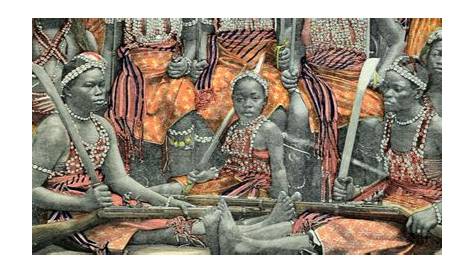
The Dahomey raids in Western Yorubaland were military incursions conducted by the Dahomey Kingdom, primarily during the 19th century, aimed at capturing slaves and expanding territory. These raids significantly influenced the social and political dynamics of the Yoruba people, leading to long-lasting impacts on their society and culture.
What were the Dahomey raids?
The Dahomey raids began in the late 18th century and continued into the 19th century, primarily targeting the Yoruba states in present-day Nigeria. The Dahomey Kingdom, located in what is now Benin, initiated these raids as a strategy to secure captives for the Atlantic slave trade, a highly profitable enterprise at the time. The raids were marked by military organization and the deployment of a well-trained army, including the renowned Amazons, female warriors. Dahomey forces often attacked unsuspecting villages, employing surprise tactics and superior weaponry to overpower local defenses.
How did the raids affect Yoruba society?
The Dahomey raids had profound short-term and long-term effects on Yoruba society. In the immediate aftermath, many communities faced devastation, with countless individuals captured and sold into slavery, resulting in demographic changes and social dislocation. Traditional power structures were disrupted as local leaders were killed or captured, creating a power vacuum. Over time, the persistent threat of Dahomey raids compelled Yoruba states to forge alliances for mutual defense, altering the political landscape and introducing new power dynamics. Culturally, the raids instilled fear and urgency, which influenced local governance and social practices. For example, communities began to implement more robust defense strategies and heightened vigilance against potential attacks.
What were the motivations behind the Dahomey raids?
The primary motivations for the Dahomey raids were economic and political. Economically, the Dahomey Kingdom sought to increase its wealth through the capture and sale of slaves to European traders, who were in high demand for labor in the Americas. Politically, expanding their territory allowed the Dahomey Kingdom to assert dominance over neighboring regions, enhancing their influence and securing resources. Additionally, consolidating power through military might served as a means of demonstrating strength to both internal and external audiences, reinforcing Dahomey's status as a formidable force in West Africa.
How do the Dahomey raids compare to other conflicts in West Africa?
The Dahomey raids can be compared to other conflicts in West Africa, such as the Ashanti wars and the Fulani jihad. Like the Dahomey incursions, these conflicts often involved territorial expansion and the quest for control over trade routes and resources. However, a significant difference lies in Dahomey's focus on slave raids specifically, which was central to their military strategy. While other conflicts often revolved around religious or dynastic disputes, the Dahomey raids were driven by economic incentives linked to the transatlantic slave trade. This focus on slavery as a core element of warfare distinguishes the Dahomey raids within the broader context of West African conflicts.
Conclusion
Understanding the Dahomey raids offers valuable insights into the complexities of West African history and the socio-political transformations that occurred during this period. Further exploration of this topic can reveal the interconnectedness of regional conflicts and their lasting impacts on contemporary societies.