What You Need to Know About Cornell University Engineering
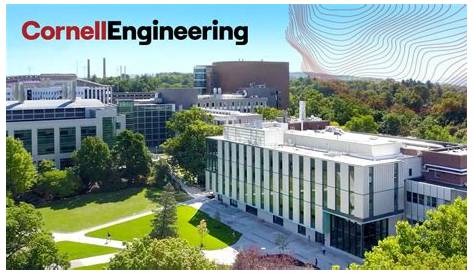
If you’re considering a career in engineering, Cornell University’s College of Engineering offers a strong foundation and a variety of programs to explore. With rigorous academics and innovative research, Cornell Engineering is an excellent choice for prospective engineering students. Here’s what you need to know to decide if it's the right fit for you.
What programs does Cornell Engineering offer?
Cornell Engineering offers a comprehensive selection of undergraduate and graduate programs across various engineering disciplines. You can study traditional fields such as mechanical, electrical, civil, and chemical engineering, as well as specialized areas like biomedical engineering, environmental engineering, and materials science. Each program provides a robust grounding in engineering principles while allowing you to delve into specific interests through electives and minors. Furthermore, interdisciplinary opportunities enable you to merge engineering studies with fields like business or computer science, offering flexibility in shaping your educational path.
What are the admission requirements for Cornell Engineering?
To apply to Cornell Engineering, you’ll need to meet specific academic criteria. A strong high school GPA, typically around 3.5 or higher on a 4.0 scale, is essential. Additionally, while standardized test scores like the SAT or ACT are often required, recent admissions cycles have implemented a test-optional policy. Your application should include letters of recommendation, a personal statement, and a resume that highlights your extracurricular activities and engineering-related experiences. It’s vital to convey your passion for engineering and your readiness for a challenging academic environment, so focus on your unique experiences in your application.
What resources and opportunities does Cornell provide for engineering students?
Cornell Engineering offers a wealth of resources designed to enhance your educational experience. The college features advanced laboratories and research facilities, providing hands-on learning opportunities. You can engage in cutting-edge research projects alongside faculty, gaining practical experience that is advantageous in the job market. Internships are also a significant focus, with strong ties to industry partners that can lead to summer internships or co-op positions. Additionally, Cornell provides various professional development resources, including workshops, networking events, and career fairs to help you build your resume and connect with potential employers.
What is student life like at Cornell Engineering?
Student life at Cornell Engineering is both vibrant and supportive. The campus culture encourages collaboration, offering numerous opportunities to join engineering-related clubs and organizations. Groups such as the Society of Women Engineers and the American Society of Civil Engineers provide networking, mentorship, and professional development opportunities. The college also has robust support systems, including academic advising and tutoring services, ensuring you have the assistance needed to succeed. Socially, there’s a diverse range of activities, from engineering competitions to social events, allowing you to forge friendships while pursuing your studies.
How do graduates from Cornell Engineering fare in their careers?
Graduates of Cornell Engineering generally enjoy strong career prospects. Many secure positions in leading companies across sectors like technology, construction, and manufacturing. Job placement rates are impressive, with many graduates finding employment even before completing their degrees. Salaries for graduates are competitive, often exceeding the national average for engineering graduates, although specific figures can vary based on discipline and location. Notable alumni include leaders in Fortune 500 companies and innovators who have made significant contributions to their fields. This alumni network can be a valuable resource as you enter the workforce.
Conclusion
To begin your journey with Cornell Engineering, focus on maintaining a strong academic record and participating in relevant extracurricular activities. Pay attention to the application requirements to present a compelling narrative about your passion for engineering. Finding the right fit means excelling academically while also connecting with a community that fosters your growth and builds lasting relationships. A successful outcome includes not only a degree from a prestigious program but also a well-rounded experience that prepares you for the job market.
Frequently Asked Questions
What is the acceptance rate for Cornell Engineering?
The acceptance rate for Cornell Engineering tends to be competitive, generally ranging from 8% to 12%. This reflects the rigorous standards of the program and the high volume of applicants.
Are there opportunities for undergraduate research at Cornell Engineering?
Yes, undergraduate research opportunities are abundant at Cornell Engineering. Students can work alongside faculty on various projects, gaining hands-on experience that is invaluable for their education and future careers.
What is the average class size for engineering courses at Cornell?
Average class sizes can vary significantly by course, but many engineering classes at Cornell range from 20 to 60 students. Smaller class sizes are typical for upper-level courses, allowing for more personalized interaction with faculty.
Does Cornell Engineering offer online courses?
Cornell Engineering provides some online courses, particularly at the graduate level. However, the majority of undergraduate programs are conducted on-campus to facilitate hands-on learning.
What kind of internships do students usually get at Cornell Engineering?
Students at Cornell Engineering typically secure internships in various industries, including technology, aerospace, automotive, and consulting. Many internships are facilitated through the college's strong connections with industry partners.