Understanding the Coordination Council in Belarus
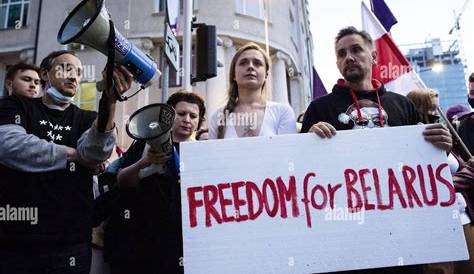
The Coordination Council in Belarus plays a crucial role in advocating for democratic change amidst the ongoing political unrest following the disputed presidential elections in August 2020. Formed by prominent opposition figures and civil society representatives, the Council aims to facilitate dialogue with the government and represents the interests of those seeking reform. Its establishment marks a significant moment in the struggle for democracy in Belarus.
What exactly is the Coordination Council?
The Coordination Council was established in August 2020, shortly after the presidential elections that many believe were marred by widespread fraud. Its main objective is to ensure a peaceful transition of power and promote democratic reforms in Belarus. The Council aims to represent the electorate who feel disenfranchised by the current regime. This includes organizing discussions about the future political landscape, advocating for fair elections, and ensuring respect for human rights. By uniting various political factions and civil society groups, the Council creates a cohesive strategy against the government’s oppressive measures.
Who are the main members and what do they stand for?
The Coordination Council includes notable figures such as Svetlana Tikhanovskaya, who became a symbol of the opposition after her husband was imprisoned, alongside other prominent activists and politicians like Pavel Latushko and Siarhei Dyleuski. These members bring diverse backgrounds that range from political experience to grassroots activism, which strengthens the Council's credibility and outreach. They advocate for democratic values, human rights, and governance reforms. Their commitment to these ideals drives their efforts to mobilize support among citizens and attract international attention to the situation in Belarus. However, their prominence also makes them targets of government repression.
How has the Coordination Council influenced recent political events?
The Coordination Council has significantly shaped public discourse and organized protests following the elections. It has called for peaceful demonstrations in response to the alleged electoral fraud, managing to rally thousands of citizens to participate. Despite government crackdowns, including arrests and intimidation, the Council's actions have kept the spirit of resistance alive among the populace. Its efforts have garnered international attention, resulting in sanctions and condemnations from various countries aimed at pressuring the Belarusian government. However, the Council's influence is complicated by the government's refusal to engage in meaningful dialogue.
What challenges does the Coordination Council face?
One of the primary challenges facing the Coordination Council is intense governmental opposition. The authorities have classified the Council as an extremist organization, leading to the arrest of its members and supporters. This crackdown fosters a climate of fear that can discourage public participation. Additionally, public perception presents a struggle; while many support the Council, others are skeptical of its effectiveness or fear repercussions for involvement. The Council also grapples with the challenge of unifying various factions within the opposition, as differing ideologies can lead to fragmentation, complicating efforts to present a united front against the regime.
What can individuals do to support democratic movements in Belarus?
To support the Coordination Council and the broader democratic movement in Belarus, consider getting involved with local advocacy groups or international organizations that focus on Belarusian issues. Raising awareness through social media, participating in peaceful protests, or discussing the situation with others can help sustain the movement. Additionally, support fundraising efforts aimed at assisting political prisoners or their families, as these actions provide crucial aid to those directly affected by the regime's policies. Engaging with international communities to exert pressure on the Belarusian government can also be impactful.
Conclusion
Educate yourself and others about the Coordination Council's objectives and the current political situation in Belarus. Focus on actions that promote awareness and support for democratic movements, while being mindful of the associated risks. An engaged citizenry advocating for change can help foster a resilient culture of democracy in Belarus.
Frequently Asked Questions
What is the purpose of the Coordination Council in Belarus?
The Coordination Council aims to facilitate a peaceful transition of power and promote democratic reforms following the disputed presidential elections. It serves as a platform for dialogue and represents the interests of those advocating for change.
Who are the key figures in the Coordination Council?
Key figures include Svetlana Tikhanovskaya, Pavel Latushko, and Siarhei Dyleuski, among others. These individuals come from various backgrounds and share a commitment to advocating for democracy and human rights in Belarus.
How has the government responded to the Coordination Council?
The Belarusian government has classified the Coordination Council as an extremist organization and has responded with crackdowns, including the arrest of its members and supporters. This has created a hostile environment for those involved.
What kinds of challenges does the Coordination Council face?
The Council faces significant challenges from government opposition, public perception issues, and internal divisions among different factions within the opposition. These factors complicate its efforts to mobilize support and effect change.
How can I support democracy in Belarus?
You can support democracy in Belarus by educating yourself and others, participating in advocacy efforts, and supporting organizations focused on Belarusian issues. Engaging in peaceful activism and spreading awareness can also make a difference.