Understanding the Continental Army and Its Role in the Revolutionary War
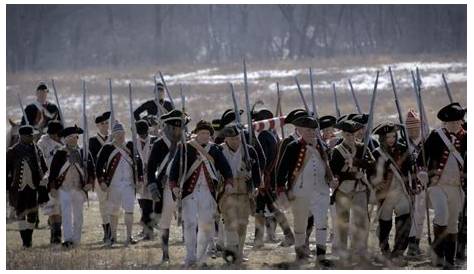
The Continental Army was created in 1775 to serve as the primary military force for the American colonies during the Revolutionary War. Its purpose was to unify the colonies against British rule and fight for independence. Formed under the direction of the Second Continental Congress, the Continental Army evolved from a loose collection of militias into a professional fighting force, playing a crucial role in securing American independence.
What was the Continental Army and why was it created?
The Continental Army was established by the Second Continental Congress in June 1775 to coordinate the military efforts of the thirteen American colonies in their rebellion against British authority. The need for a unified military force became evident after the initial skirmishes at Lexington and Concord, which exposed the limitations of local militias. By creating the Continental Army, the colonies could adopt a more organized and structured approach to warfare, presenting a formidable challenge to British military power. The army aimed to secure independence and uphold the rights of the colonies, which they believed were being violated by British policies and taxation without representation. This collective military effort was vital, as it combined resources, trained soldiers, and strategic planning necessary to confront a well-equipped British Army. Without the Continental Army, the colonies would have struggled to mount a cohesive resistance against British forces, marking its creation as a pivotal moment in the fight for independence.
Who were the key leaders of the Continental Army?
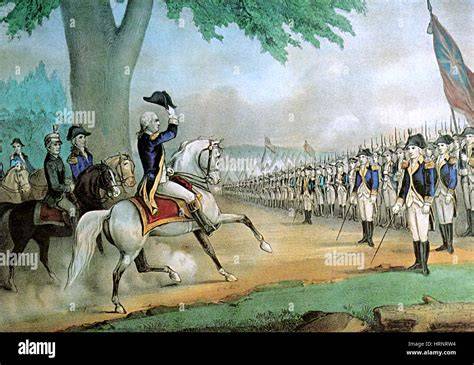
Several key leaders significantly influenced the development and strategies of the Continental Army. George Washington, appointed as commander-in-chief in 1775, is the most notable figure. His leadership was crucial in transforming the army from a poorly trained militia into a cohesive fighting force. Washington's ability to inspire troops and his strategic insight helped maintain morale and navigate challenging situations throughout the war. Other important leaders included Nathanael Greene, known for his effective management of resources and troops, and Benedict Arnold, who initially distinguished himself before later betraying the cause. Additionally, figures such as Marquis de Lafayette, a French military officer, provided invaluable support, further strengthening the Continental Army. Each of these leaders played a vital role in shaping military strategies and fostering unity among the troops, which was essential for the army's success.
What were the major battles involving the Continental Army?
The Continental Army participated in several significant battles that greatly influenced the outcome of the Revolutionary War. One of the earliest and most famous was the Battle of Bunker Hill in June 1775, where American forces demonstrated their ability to confront the British military, despite ultimately losing the battle. This engagement boosted morale and showcased the determination of the colonial forces. Another critical moment occurred at the Battle of Saratoga in 1777, often regarded as a turning point in the war. The American victory at Saratoga convinced France to formally ally with the colonies, providing essential military support and resources. Other notable battles included the Siege of Yorktown in 1781, where the Continental Army, along with French allies, successfully trapped British General Cornwallis, leading to his surrender. These battles not only highlighted the military capabilities of the Continental Army but also had broader implications for international support and the eventual recognition of American independence.
How did the Continental Army overcome challenges?
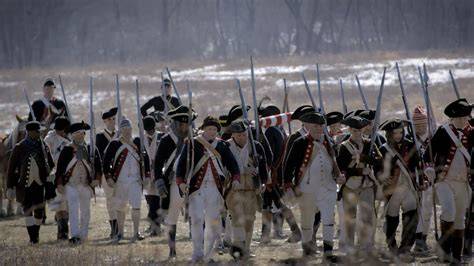
Throughout the Revolutionary War, the Continental Army faced numerous challenges, including supply shortages, lack of training, and low troop morale. A significant issue was the scarcity of resources, particularly food, clothing, and ammunition, often leaving soldiers ill-equipped for battle. To address these challenges, Congress implemented measures to secure supplies, and local governments and citizens sometimes provided assistance. Training was another critical concern; many soldiers were inexperienced, prompting leaders like Washington to emphasize drill and discipline and to bring in foreign military experts to improve training standards. Morale fluctuated, especially during harsh winters like the one at Valley Forge in 1777-1778, where soldiers endured extreme conditions. Despite these difficulties, the army demonstrated resilience, fostering camaraderie and a sense of purpose among the troops, which ultimately contributed to their success against British forces.
What legacy did the Continental Army leave behind?
The legacy of the Continental Army is profound, influencing not only the outcome of the Revolutionary War but also shaping future military structures in the United States. Its formation marked the beginning of a standing army that could be mobilized for national defense, setting a precedent for the modern U.S. military. The principles of leadership and organization established during this time laid the groundwork for military doctrine in the years to come. Furthermore, the success of the Continental Army helped solidify the idea of a unified nation, as it brought together soldiers from diverse backgrounds and regions to fight for a common cause. This unity and the concept of citizen-soldiers would resonate in American military culture for generations. The army's challenges and triumphs also remind us of the sacrifices made for independence, reinforcing the value of perseverance and collective effort in achieving national goals.
Conclusion
To understand the significance of the Continental Army, focus on its role in unifying the colonies against British rule and its transformation into a professional military force. Explore the leadership of figures like George Washington for insights into the strategic decisions made during the war. While the battles and challenges faced by the Continental Army are crucial, consider the broader impact of its legacy on American military and national identity. This army not only fought for independence but also laid the foundation for future American military endeavors.
Frequently Asked Questions
What was the main purpose of the Continental Army?
The main purpose of the Continental Army was to unify the colonies in their fight for independence from British rule by providing a coordinated military effort against British forces.
Who was the leader of the Continental Army?
George Washington was the commander-in-chief of the Continental Army, and his leadership was critical in shaping the army's strategies and maintaining troop morale throughout the Revolutionary War.
What were some of the major battles fought by the Continental Army?
Major battles fought by the Continental Army include the Battle of Bunker Hill, the Battle of Saratoga, and the Siege of Yorktown, each significantly impacting the overall outcome of the war.
What challenges did the Continental Army face?
The Continental Army faced challenges such as supply shortages, lack of training, and low troop morale. Leaders worked to address these issues by securing resources and implementing training programs to improve soldier readiness.
What is the legacy of the Continental Army?
The legacy of the Continental Army includes establishing the foundation for the modern U.S. military and promoting the idea of a unified nation. Its efforts during the Revolutionary War helped secure American independence and shaped military practices for future generations.