Confederate Units from North Carolina in the Civil War
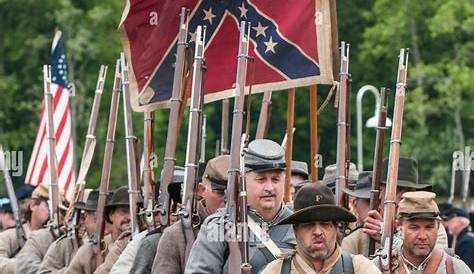
North Carolina played a significant role in the American Civil War, contributing numerous Confederate units that participated in critical battles. The state provided more troops to the Confederate Army than any other Southern state, with notable units including the 26th North Carolina Infantry and the 1st North Carolina Cavalry. Understanding these units and their contributions helps clarify North Carolina's impact on the war.
What were the major Confederate units from North Carolina?
North Carolina was home to a diverse array of Confederate units, primarily composed of infantry, cavalry, and artillery. The 26th North Carolina Infantry is among the most recognized, known for its fierce fighting at Gettysburg. Another significant unit was the 1st North Carolina Cavalry, which played a crucial role in various skirmishes and raids. Additionally, North Carolina Artillery units, such as the 1st and 2nd North Carolina Light Artillery, provided essential support on the battlefield. These units often comprised local volunteers, fostering a strong sense of loyalty and commitment to their cause, which made them distinctive in combat.
The organization of these units varied; some were structured as regiments, while others operated in smaller battalions or batteries. This structure allowed for flexibility and specialization in their operations, adapting to the needs of the Confederate Army at various stages of the war.
What battles did these units participate in?
North Carolina units fought in numerous significant battles throughout the Civil War. The 26th North Carolina Infantry, for example, was heavily involved at the Battle of Gettysburg, where it suffered severe losses while demonstrating remarkable bravery. The regiment also fought at Chancellorsville, contributing to the Confederate victory there.
The 1st North Carolina Cavalry participated in several raids and skirmishes, including the Battle of Brandy Station, one of the largest cavalry battles of the war. Artillery units like the 1st North Carolina Light Artillery provided critical support during the Siege of Petersburg, helping to defend against Union assaults. Each of these battles underscored the resilience and capabilities of North Carolina's Confederate units, even as they faced challenging conditions and fierce opposition.
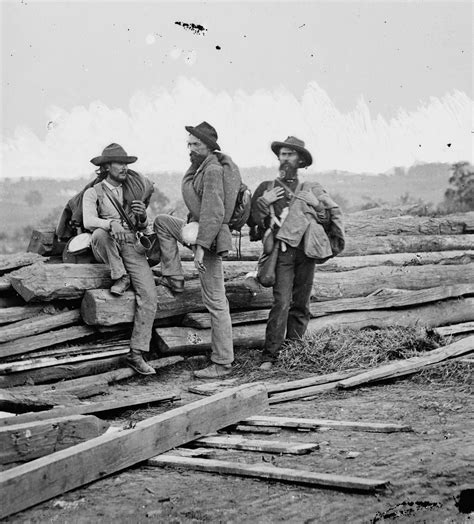
Who were the commanders of these units?
The commanders of North Carolina's Confederate units were often local men who gained prominence through their military service. For example, Colonel Henry K. Burgwyn led the 26th North Carolina Infantry at Gettysburg and was noted for his leadership and bravery, ultimately sacrificing his life in battle. Another notable figure was Brigadier General Robert F. Hoke, who commanded various brigades during the war and was respected for his tactical acumen.
These commanders faced the immense pressures of leadership, often grappling with the harsh realities of war, including loss and defeat. After the war, some commanders, like Hoke, returned to civilian life and contributed to the rebuilding of their communities, while others faced hardships or obscurity.

How did these units impact the Civil War?
The impact of North Carolina's Confederate units on the Civil War was significant, both strategically and symbolically. These units were involved in many pivotal battles that not only shaped the outcome of the war but also influenced the morale of both Confederate and Union forces. For instance, the performance of the 26th North Carolina at Gettysburg, despite its losses, became a point of pride and a symbol of Southern valor.
Moreover, North Carolina contributed more troops to the Confederate cause than any other Southern state, reflecting its commitment to the Confederacy. The resilience and tenacity shown by these units often inspired other Confederate forces, demonstrating that even in adversity, they could hold their ground. This legacy of bravery continues to be integral to North Carolina's historical narrative.
Where can I find more detailed records or accounts?
For more detailed records and accounts of North Carolina's Confederate units, several resources are available. The North Carolina Department of Natural and Cultural Resources has archives that include service records and pension applications. You can also explore the North Carolina Civil War History Center, which provides extensive information on the state's military contributions and personal stories.
Books such as "North Carolina's Civil War" by John G. Barrett, along with online databases like the Civil War Soldiers and Sailors System, offer access to specific unit histories and personal accounts. Local libraries and historical societies often maintain collections that can provide further insights into the lives of soldiers and their commanders.
Conclusion
Start by exploring specific units that interest you, such as the 26th North Carolina Infantry or the 1st North Carolina Cavalry, to understand their roles and contributions. Pay attention to their involvement in key battles and the legacies of their commanders for deeper insights. While many resources are available, prioritize primary accounts and local histories for the most vivid understanding. Ultimately, a comprehensive exploration will reveal how these units shaped the Civil War and their enduring legacy in North Carolina's history.
Frequently Asked Questions
What was the role of North Carolina in the Civil War?
North Carolina played a significant role in the Civil War by providing more troops to the Confederate Army than any other Southern state. Many of its units participated in key battles and were known for their bravery and commitment.
How many Confederate units were formed in North Carolina?
North Carolina formed numerous Confederate units, including over 100 regiments of infantry, cavalry, and artillery. This extensive contribution highlights the state's involvement in the war.
What were some notable battles involving North Carolina units?
Notable battles involving North Carolina units include Gettysburg, Chancellorsville, and the Siege of Petersburg. These battles showcased the bravery and strategic importance of North Carolina's forces.
Who were some notable commanders from North Carolina?
Prominent commanders from North Carolina include Colonel Henry K. Burgwyn of the 26th North Carolina Infantry and Brigadier General Robert F. Hoke. Both played vital roles in various battles and are remembered for their leadership.
Where can I find more information about these units?
You can find more information about North Carolina's Confederate units in state archives, local libraries, and dedicated history centers. Online databases and specific history books also provide detailed accounts and records.