How to Compare Loan Offers and Choose the Best One
As a first-time homebuyer, comparing loan offers can be daunting due to the variety of options available. To make this process manageable, focus on understanding key elements like interest rates, loan terms, and closing costs. By evaluating these factors effectively, you can choose a loan that best fits your financial situation.
What should I look for in a loan offer?
When reviewing loan offers, pay close attention to several critical components. Interest rates are fundamental, as they influence how much you will pay in interest over the life of the loan. A lower interest rate usually leads to lower monthly payments, but don’t rely solely on this figure.
Loan terms, typically ranging from 15 to 30 years, also affect your total costs. Shorter terms may have higher monthly payments but result in less interest paid overall. Consider how long you intend to stay in your new home; if it’s a short-term investment, a 15-year loan might be more advantageous.
Closing costs are another vital aspect. These fees, due at the closing of a real estate transaction, can include appraisal fees, title insurance, and origination fees, adding up to thousands of dollars. Understanding these components will give you a clearer picture of your total loan expenses, helping you make a more informed choice.
How do I compare interest rates effectively?
To compare interest rates effectively, examine both the nominal interest rate and the annual percentage rate (APR). The nominal interest rate is the basic rate you’ll pay, while the APR provides a more comprehensive view of the loan's cost, including fees and other expenses over the loan term.
For example, one lender might offer a 3.5% nominal interest rate with high fees, while another offers a 3.75% rate with lower fees. The APR can help you determine which option is more cost-effective over time. Generally, a lower APR signifies a better deal.
However, since the APR doesn’t always encompass all costs, it’s essential to read the fine print. Some lenders may promote lower APRs that hide fees, making the loan more expensive in the long run. Always calculate the total cost of each loan by considering both interest rates and fees for a clear comparison.
What additional fees might I encounter?
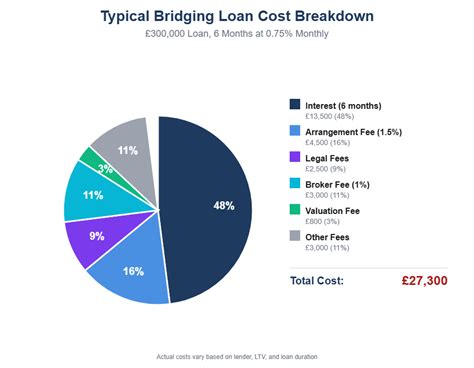
In addition to interest rates, various fees can differ significantly between lenders. Origination fees, which lenders charge for processing your loan application, typically range from 0.5% to 1% of the loan amount.
Appraisal fees are another consideration, as lenders usually require an appraisal to confirm the home's value. These fees can vary based on location and property type. Other fees may include underwriting fees, title search fees, and prepayment penalties.
Always request a detailed breakdown of all costs associated with a loan offer. Some lenders may advertise low rates but offset them with higher fees. By knowing common fees and asking upfront, you can avoid surprises and accurately assess the total cost of your loan.
Are there different types of loans to consider?
Understanding the types of loans available is crucial when comparing offers. The two main categories are fixed-rate mortgages and adjustable-rate mortgages (ARMs). Fixed-rate mortgages provide a stable interest rate throughout the loan's life, making monthly payments predictable—ideal if you plan to stay in the home for the long term.
Conversely, ARMs usually start with lower initial rates that adjust after a specified period, resulting in lower initial payments. However, this means your payments could increase over time based on market conditions. If you expect to sell or refinance within a few years, an ARM might be more cost-effective.
Evaluate your financial situation and how long you plan to keep the mortgage. Understanding these differences can guide you in choosing a loan type that aligns with your financial goals.
What steps should I take before making a decision?
Before selecting a loan, follow several key steps to simplify your comparison process. First, gather your financial documentation, including income, debts, and credit history. This information will help lenders provide accurate quotes and assist you in assessing what you can afford.
Getting pre-approved for a mortgage is another essential step. Pre-approval clarifies how much you can borrow and can expedite the process once you find a home that fits your needs. It also signals to sellers that you are a serious buyer.
With your documents prepared and pre-approval secured, you can effectively compare loan offers. Focus on the key components we discussed—interest rates, fees, and loan terms—all in one place. This preparation will empower you to make a more informed decision and feel confident as you continue your homebuying journey.
Conclusion
Begin by gathering your financial documents and obtaining pre-approval to gain a clearer understanding of your budget. Concentrate on comparing interest rates, loan terms, and all associated fees to identify the best offer. A successful outcome means you can feel confident in your choice, knowing you’ve selected a loan that fits your financial situation and future plans.
Frequently Asked Questions
What is the difference between APR and interest rate?
The interest rate is the cost of borrowing the principal amount of a loan, while the APR includes both the interest rate and any additional fees or costs associated with the loan. This makes APR a more comprehensive measure of a loan's total cost.
What are some common hidden fees in loan offers?
Common hidden fees include origination fees, underwriting fees, appraisal fees, and sometimes prepayment penalties. Always ask for a detailed list of fees before committing to a loan.
How can I improve my chances of getting a better loan offer?
Improving your credit score, reducing your debt-to-income ratio, and saving for a larger down payment can help you secure better loan terms. Lenders are more likely to offer favorable rates to borrowers who present a lower risk.
Is it better to get a fixed-rate or adjustable-rate mortgage?
It depends on your financial situation and how long you plan to stay in your home. Fixed-rate mortgages offer stability, while adjustable-rate mortgages may provide lower initial payments but come with the risk of future rate increases.
How long does the loan comparison process usually take?
The loan comparison process can vary, but it typically takes a few weeks to gather quotes, read the fine print, and compare offers thoroughly before making a decision.