How to Create a Thriving City Garden
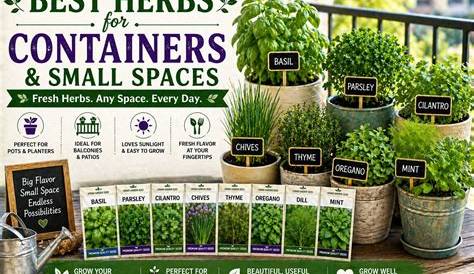
Creating a garden in the city is entirely possible, even if it feels daunting. With limited space and less sunlight, urban gardening presents unique challenges, but the right strategies can help you cultivate a thriving small garden. Start by selecting compact plants that flourish in confined areas, such as herbs or dwarf varieties, to make the most of your urban gardening experience.
What plants should I choose for my city garden?
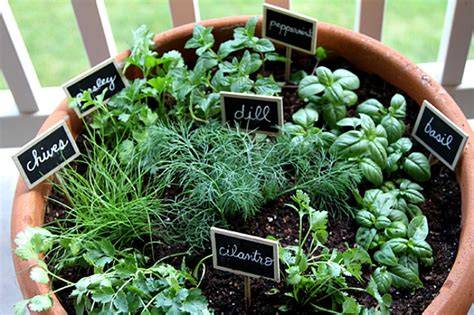
For a city garden, choose plants that thrive in limited space and urban conditions. Herbs such as basil, parsley, and mint are excellent choices; they are compact, useful in the kitchen, and do well in containers. Dwarf vegetable varieties like cherry tomatoes and mini peppers fit neatly in small plots without occupying too much space. Flowers such as marigolds or nasturtiums add beauty and attract beneficial insects. Consider your space's sunlight exposure and your personal preferences, as not every plant will thrive in every situation. You might need to experiment to find what works best for you.
How can I make the most of the sunlight I have?
Maximizing sunlight is vital for a successful city garden. Position your plants to receive the most light, ideally at least six hours of direct sunlight each day. If your space is shaded, reflective surfaces like mirrors or light-colored walls can help bounce light onto your plants. Vertical gardening is another effective method—using wall-mounted planters or trellises allows you to grow upwards, saving space and enhancing light exposure. Be mindful that some plants require more light than others, so choose your sun-loving varieties carefully if light is limited.
What are the best containers and soil for my plants?
Choosing the right containers is crucial for a city garden. Opt for lightweight materials like plastic or fiberglass if you need to move your plants. Ensure your containers have drainage holes to prevent waterlogging, which can cause root rot. For soil, select a high-quality potting mix designed for container gardening, typically containing peat moss and perlite to retain moisture and promote drainage. Alternatively, you can create your own mix by combining equal parts potting soil, compost, and perlite. Larger containers hold more soil and retain moisture better, benefiting your plants, especially in hot weather.
How do I deal with pests and urban pollution?
Pests are a common concern in urban gardening, but effective management is possible. Regularly inspect your plants for pests like aphids or spider mites, removing them manually when you can. Natural pest deterrents like neem oil or insecticidal soap are less harmful to beneficial insects. Urban pollution can also affect your plants, so consider using raised beds or containers filled with fresh soil to minimize contamination from ground pollutants. Growing resilient plants, such as certain herbs or native species, can enhance your garden's success in an urban environment.
What are some simple maintenance tips for my city garden?
Maintaining your city garden doesn't have to be complicated. Regular watering is essential, especially during hot months; most container plants need water every day or every other day. Fertilizing a few times a month helps keep your plants healthy—choose a balanced, water-soluble fertilizer. Seasonal care is also important; in the fall, consider bringing sensitive plants indoors or covering them to protect against frost. Pruning dead leaves and flowers encourages new growth and improves air circulation. Monitoring your plants and adjusting care based on their specific needs will help you maintain a vibrant garden.
Conclusion
Begin your city garden by selecting a few compact plants that suit your space and light conditions. Focus on what excites you to grow, and don't let the multitude of options overwhelm you. A successful garden brings joy and perhaps some fresh herbs for your meals. As you gain experience, gradually expand your garden and try new plants and techniques.
Frequently Asked Questions
What vegetables can I grow in a small city garden?
You can grow various vegetables in a small city garden, particularly dwarf or compact varieties like cherry tomatoes, radishes, lettuce, and peppers. These plants thrive in containers and require less space.
How often should I water my city garden?
Most container plants need watering every day or every other day, especially in hot weather. Always check the soil moisture first; if the top inch is dry, it's time to water.
Can I garden on a balcony?
Yes, gardening on a balcony is an excellent option for city dwellers. Just ensure your balcony can support the weight of your containers and has access to adequate sunlight.
What should I do if my plants are not growing well?
If your plants aren't thriving, check for signs of overwatering or underwatering, poor soil, or inadequate light. Adjusting these factors usually helps improve plant health.
How can I protect my plants from pollution?
To protect your plants from urban pollution, use clean, quality potting soil in containers and consider growing robust plants that can tolerate pollution. Regularly washing the leaves can also help remove dust and pollutants.