What to Expect at a Checkpoint Rapid HIV Testing Facility
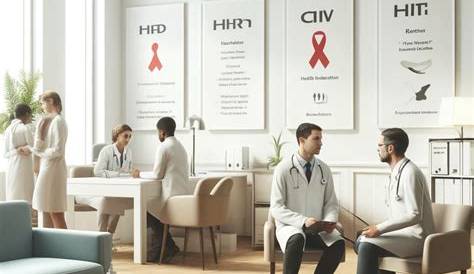
If you're anxious about getting tested for HIV, a Checkpoint rapid HIV testing facility can provide quick and reliable results in a supportive environment. You can find out your status in just 20 to 30 minutes, allowing you to take control of your health without the long wait times typical of traditional testing sites. This option is designed to ease your concerns and provide the support you need during this important process.
What is a Checkpoint rapid HIV testing facility?
A Checkpoint rapid HIV testing facility is a specialized center focused on providing quick and accessible HIV testing. Unlike traditional clinics, these facilities emphasize convenience and comfort, catering to individuals who may feel uneasy about the testing process. With a welcoming atmosphere, Checkpoints help reduce the stigma associated with HIV testing, making it easier for people to seek out the services they need without fear of judgment.
How does rapid HIV testing work?
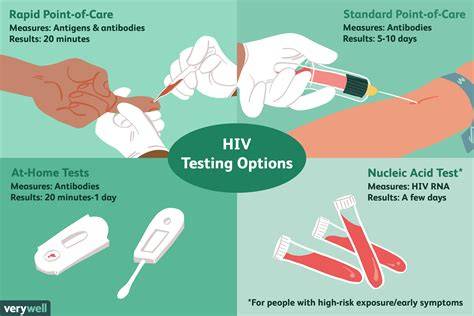
Rapid HIV testing typically uses either a blood sample or an oral swab to detect the presence of HIV antibodies. The most common types of tests include fingerstick blood tests and rapid oral tests. These tests are designed to provide results quickly, often within 20 to 30 minutes. While rapid tests are quite accurate, especially when conducted after the window period—usually around three months after potential exposure—false positives can occur. If your rapid test result is positive, it's crucial to follow up with a confirmatory test at a healthcare facility. You don't have to navigate this alone; Checkpoint staff are available to guide you through the next steps.
What can I expect during my visit?
During your visit to a Checkpoint facility, the process is straightforward. First, you'll check in at the front desk, where staff will assist you with any necessary paperwork. A trained counselor will then explain the testing procedure and answer any questions you may have. For the test, you'll either provide a small blood sample or undergo an oral swab, depending on the test type. After giving your sample, you'll wait in a comfortable area for your results, which typically takes about 20 to 30 minutes. Once the results are ready, a counselor will discuss them with you in a private setting.
What if my results are positive?
Receiving a positive result can be overwhelming, and it's completely normal to feel anxious. The Checkpoint facility is equipped to provide support, including counseling and resources for follow-up testing. You will be connected with healthcare professionals who can explain your next steps, such as confirmatory testing and treatment options if necessary. Many Checkpoint facilities also offer referrals to additional services, such as mental health support and community resources, to ensure you have the comprehensive support you need moving forward.
How can I find a Checkpoint facility near me?
Finding a Checkpoint facility is generally straightforward. Start by searching online for 'Checkpoint rapid HIV testing facility' along with your location. Many local health departments and community organizations also provide resources or lists of nearby testing sites. If you prefer to call ahead, feel free to inquire about the services offered, hours of operation, and whether you need to make an appointment. Some facilities accept walk-ins, while others recommend scheduling a visit to ensure availability.
Conclusion
To get started, locate a Checkpoint facility near you and consider calling to ask any questions you may have. Don’t let anxiety hold you back; the sooner you get tested, the sooner you can know your status and access support if needed. A negative result means peace of mind, while a positive result can lead to important next steps and help you take control of your health.
Frequently Asked Questions
How long does the testing process take?
The entire process at a Checkpoint facility usually takes about 30 minutes, including the time for the test and waiting for results.
Is the testing process painful?
Most people find the fingerstick blood test quick and only slightly uncomfortable, similar to a small pinch. Oral swab tests are painless.
Can I get tested anonymously?
Many Checkpoint facilities offer anonymous testing options. You can ask about your privacy and confidentiality during your visit.
What types of results can I receive from a rapid test?
You’ll receive either a negative result, indicating no HIV detected, or a positive result, meaning further testing is needed to confirm.
Do I need to prepare for my visit?
There’s usually no special preparation needed for the test, but it's a good idea to bring an ID and be ready to discuss any relevant health history.