Understanding Chasmanthium latifolium and Its Benefits
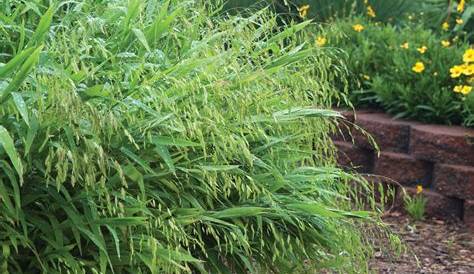
Chasmanthium latifolium, commonly known as northern sea oats, is a perennial grass native to North America. This attractive plant is characterized by its unique, drooping seed heads and arching foliage, making it ideal for gardeners seeking to incorporate native plants into their landscapes.
What is Chasmanthium latifolium?
Chasmanthium latifolium is a clump-forming grass that typically grows 2 to 4 feet tall. It features flat, arching leaves that can reach lengths of 12 inches or more. Its most distinctive feature, the elongated seed heads, resemble oats and hang gracefully from the stems. Commonly found in woodland edges, meadows, and along streams, this plant thrives in well-drained soils and tolerates partial shade.
Why choose Chasmanthium latifolium for your garden?
Incorporating Chasmanthium latifolium into your garden offers several ecological benefits. It attracts various pollinators, including bees and butterflies, providing them with essential resources. Additionally, this grass promotes biodiversity by serving as habitat for small wildlife, such as birds and beneficial insects. Its dense clumps provide shelter and nesting sites, enhancing the ecological balance in your garden.
How can you incorporate Chasmanthium latifolium into your landscape?
You can use Chasmanthium latifolium in various ways in your garden design. Consider planting it in clusters along shaded paths or in woodland gardens to create a naturalized look. Its graceful seed heads add visual interest, especially in late summer and fall, when they turn golden-brown. This grass also works well in mixed borders and can be combined with other native plants like wildflowers for a vibrant landscape. If you want a low-maintenance garden, this grass is an excellent choice, thriving with minimal care.
What are the maintenance needs of Chasmanthium latifolium?
Chasmanthium latifolium is relatively low-maintenance. It prefers well-drained soil and can tolerate some drought once established. Here are some care tips:
- Water the plant regularly during its first growing season. ``
text Water deeply once a week if there is no rain.`` - Cut back the foliage in late winter or early spring to encourage new growth.
- Monitor for pests like aphids or spider mites, although these are rarely a significant issue.
- Fertilization is not usually necessary; if desired, use a balanced fertilizer in spring.
What misconceptions exist about Chasmanthium latifolium?
One common misconception is that Chasmanthium latifolium is invasive. In fact, it is a native grass that typically does not spread aggressively like some non-native species. Another misunderstanding is that it requires full sun to thrive; however, it actually does well in partial shade, making it versatile for different garden conditions.
Conclusion
To enhance your garden with Chasmanthium latifolium, consider where it fits best based on your landscape's light conditions and desired aesthetics. This native grass not only adds beauty but also supports local wildlife, making it a valuable addition to your gardening efforts.
Frequently Asked Questions
Is Chasmanthium latifolium deer resistant?
Yes, Chasmanthium latifolium is generally considered deer resistant.
Can Chasmanthium latifolium grow in full sun?
While it prefers partial shade, it can tolerate full sun in well-drained soils.
How quickly does Chasmanthium latifolium spread?
It spreads slowly through clumping and can form larger colonies over time, but it is not invasive.
What soil type is best for Chasmanthium latifolium?
It thrives in well-drained soils but can adapt to various soil types.