Understanding the Role of the Catholic Church in Fiji
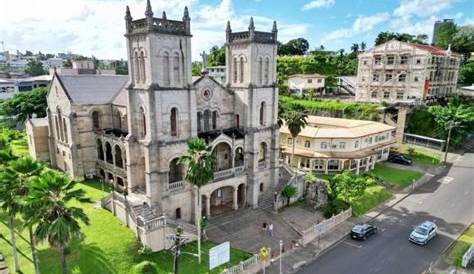
If you're a Catholic individual planning to visit Fiji or learn more about the Catholic Church there, you'll find a rich history and significant cultural influence. Catholicism has been integral to Fiji's society for over a century, shaping social values and community life. The Church serves not only as a spiritual guide but also as a hub for community support and activities, making it a central part of many Fijians' lives.
What is the history of Catholicism in Fiji?
Catholicism was introduced to Fiji in the mid-19th century, primarily through the efforts of French missionaries. The Marist Fathers established the first significant presence in 1844 on the island of Levuka. They expanded their mission to other islands, laying the groundwork for a growing Catholic community. The Church faced challenges, including resistance from indigenous practices and competition from other Christian denominations. However, by the late 19th century, Catholicism was firmly established, with the Diocese of Suva being created in 1888. Notable figures, like Bishop Jean-Baptiste de Maraucourt, were crucial in developing the Church's infrastructure and outreach programs. Today, the Catholic Church in Fiji continues to thrive, engaging in various social and educational initiatives that reflect its historical roots and commitment to the community.
How does the Catholic Church influence Fijian culture?
The Catholic Church has played a pivotal role in shaping Fijian culture by blending its teachings with local customs. Many Fijians experience a harmonious coexistence of religious beliefs and traditional practices. Church services frequently feature local music and dance, enriching the community experience. Significant life events, such as baptisms and weddings, incorporate Fijian traditions, symbolizing a fusion of faith and cultural identity. This blend fosters belonging and continuity within communities, as the Church offers both spiritual guidance and social support. However, this influence can lead to tensions between traditional beliefs and Church teachings, particularly regarding marriage and gender roles. Understanding this dynamic is essential for appreciating the Catholic Church's role within Fiji's cultural context.
What are the main beliefs and practices of Catholics in Fiji?
Catholics in Fiji adhere to the core beliefs typical of the global Catholic Church, such as the sacraments, the importance of the Eucharist, and the authority of the Pope. Local customs add richness to these practices. Mass is usually celebrated in both English and Fijian, and traditional music and instruments enhance the worship experience. Festivals like Christmas and Easter are observed with enthusiasm, often including local traditions such as communal feasting. The Church emphasizes family values and community service, encouraging members to engage actively in outreach programs. While practices generally align with broader Catholic teachings, expressions may vary based on local culture and community needs.
What challenges does the Catholic Church face in Fiji today?
The Catholic Church in Fiji faces several contemporary challenges. Social change, driven by globalization and modernization, has led to shifts in values and lifestyles that sometimes conflict with traditional Catholic teachings. Economic difficulties affect the Church's ability to sustain its programs and support its communities. Issues like poverty and migration impact parishioner engagement, as many young people seek opportunities abroad. Additionally, the Church contends with competition from other religious groups, which can attract followers with differing spiritual approaches. In response, the Catholic Church is adapting its outreach efforts to focus on relevant social issues and encourage community involvement to remain significant in the lives of Fijians.
How can I get involved with the Catholic community in Fiji?
To engage with the Catholic community in Fiji, start by visiting local parishes to participate in Mass and community events. Many churches welcome visitors and offer opportunities to volunteer in various outreach programs, such as education and health initiatives. You might also consider joining local Catholic youth groups or community service projects, which can help you connect with others and better understand the community's needs. Attending cultural events organized by the Church can further deepen your appreciation of the unique blend of Catholicism and Fijian culture.
Conclusion
To begin your exploration of the Catholic Church in Fiji, consider visiting a local parish to observe and participate in services and community activities. Engaging with the community will provide insights into how faith and culture intertwine. Focus on understanding local customs and the Church's contributions rather than comparing it to your own experiences. This approach will help you develop genuine connections and appreciate the rich traditions the Catholic Church fosters in Fiji.
Frequently Asked Questions
What language is used in Catholic services in Fiji?
Catholic services in Fiji are primarily conducted in English and Fijian, with some parishes also using Hindi to accommodate diverse communities. This multilingual approach reflects Fiji's cultural diversity.
Are there many Catholic schools in Fiji?
Yes, the Catholic Church operates several schools across Fiji, offering quality education that integrates academic learning with moral and spiritual development. These schools are often highly regarded in the community.
How does the Catholic Church contribute to social issues in Fiji?
The Catholic Church is actively involved in addressing social issues in Fiji, such as poverty, education, and healthcare. Through various programs and outreach initiatives, the Church aims to support vulnerable communities and promote social justice.
Can tourists attend Mass in Fiji?
Absolutely, tourists are welcome to attend Mass in Fiji. Many parishes invite visitors, and participating in a local service can be a meaningful way to experience Fijian culture and hospitality.
What role does the Catholic Church play in Fijian festivals?
The Catholic Church plays a vital role in Fijian festivals, incorporating religious observances into celebrations like Christmas and Easter. These events often blend spiritual rituals with local customs, creating a unique cultural experience.