Understanding Carmen Gloria Quintana's Impact on Human Rights
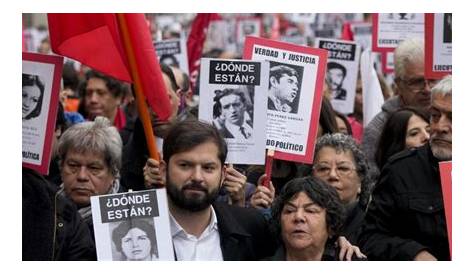
Carmen Gloria Quintana's story reveals the severe human rights abuses in Chile, particularly during the oppressive years of the Pinochet regime. In 1986, at just 18 years old, she became a victim of state violence when military personnel set her on fire during a protest. This horrific act not only exposed the brutal tactics of the regime but also galvanized human rights advocates in Chile and around the world, making her case pivotal in the ongoing struggle for justice and reconciliation in the country.
What happened to Carmen Gloria Quintana?
Carmen Gloria Quintana was an 18-year-old student who was attacked in July 1986 during a protest against the Pinochet regime. On that day, she and a friend were detained by military personnel, who accused them of being part of a subversive movement. The soldiers poured gasoline on Carmen and set her on fire, leaving her with severe burns over much of her body. Following the incident, she managed to escape, and her story became public through the efforts of her family and human rights organizations. This incident was part of a broader pattern of violence and repression during Pinochet’s rule from 1973 to 1990, a period marked by widespread human rights abuses, including torture, forced disappearances, and killings of political opponents.
Why is Carmen's story significant in Chile's history?
Carmen Gloria Quintana's case is significant because it reveals the brutal reality of life under the Pinochet dictatorship and symbolizes the human rights violations of that era. Her suffering drew national and international attention, prompting protests and calls for accountability. The visibility of her plight helped galvanize public opinion against the regime, emphasizing the need for reform and justice. As Chile transitioned to democracy in the late 1980s and early 1990s, cases like Carmen's became central to the collective memory of the dictatorship's atrocities. They also spurred discussions about truth, reconciliation, and the necessity of acknowledging past injustices to foster a more equitable society.
How did Carmen's experience influence human rights activism?
Carmen’s story profoundly impacted human rights activism in Chile and beyond. After the attack, she emerged as a symbol of resistance against the oppressive regime, inspiring activists and organizations committed to fighting for human rights. Groups such as the Vicaría de la Solidaridad and international organizations like Amnesty International used her case to raise awareness about systemic abuses in Chile. Her experiences contributed to the formation of a stronger human rights movement that sought accountability for past injustices and advocated for legal reforms to protect citizens from state violence. Activists rallied around her story as a powerful narrative to mobilize support and generate pressure for change, both domestically and internationally.
What have been the legal and societal outcomes of her case?
In the aftermath of Carmen's case, some legal actions were taken against those responsible for her injuries, although the path to justice has been complex. Initially, the Chilean legal system was hesitant to hold military personnel accountable. However, increased public pressure and continued advocacy from human rights organizations led to some prosecutions and convictions related to human rights abuses during the Pinochet era. Societally, her story has contributed to a growing recognition of the need for reparations and acknowledgment of past wrongs. This shift has influenced public policy and spurred discussions about the importance of protecting human rights in contemporary Chile as the nation confronts its historical legacy.
What lessons can we learn from Carmen Gloria Quintana's story today?
Carmen Gloria Quintana's experience serves as a crucial reminder of the importance of vigilance in protecting human rights. Her story illustrates how individual experiences of suffering can influence broader societal change. In current discussions about justice and accountability, Carmen's case highlights the ongoing need for advocacy and the importance of remembering past atrocities to prevent their recurrence. It also emphasizes the role of survivors in shaping narratives about justice and reconciliation, essential for fostering a culture that prioritizes human rights. Learning from Carmen's story helps us understand the critical need for transparency, justice, and the protection of civil liberties in any society.
Conclusion
To truly grasp the impact of Carmen Gloria Quintana's story, it is essential to examine the broader context of human rights abuses during the Pinochet regime. Her experience has significantly shaped current discussions about accountability and justice in Chile. Ignoring the lessons from her case would mean overlooking the ongoing challenges in protecting human rights today. A thoughtful engagement with these issues fosters a commitment to accountability and aims to ensure that such abuses are not repeated in the future.
Frequently Asked Questions
What happened to Carmen Gloria Quintana?
Carmen Gloria Quintana was a victim of severe human rights abuses in 1986 when military personnel set her on fire during a protest against the Pinochet regime. This brutal attack left her with severe burns and became a significant case in the fight for human rights in Chile.
Why is Carmen Gloria Quintana's case important?
Her case is crucial because it highlights systemic human rights violations during the Pinochet dictatorship. It galvanized public opinion against the regime and became a symbol of the struggle for justice and accountability in Chile.
How did Carmen's experience affect human rights activism?
Carmen's experience became a rallying point for human rights organizations and activists, both in Chile and internationally. Her story inspired movements aimed at holding the regime accountable for its abuses and advocating for legal reforms.
What legal actions have been taken regarding her case?
While initial accountability was lacking, increasing public pressure and advocacy led to some prosecutions related to human rights abuses. However, the path to justice has remained complex and slow.
What can we learn from Carmen Gloria Quintana's story today?
Carmen's story teaches us the importance of vigilance in protecting human rights and the necessity of remembering past atrocities to prevent their recurrence. It emphasizes the role of survivors in advocating for justice and accountability.