Understanding the Cape Rock Thrush: Behavior and Habitat
The Cape rock thrush is a medium-sized bird native to South Africa, known for its striking blue and orange plumage and melodious song. Birdwatchers often seek this species for its vibrant appearance and appealing vocalizations, making it a rewarding sight in the wild.
What is the Cape rock thrush?
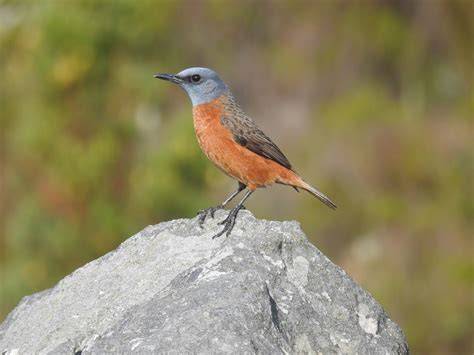
The Cape rock thrush (Monticola capensis) is recognized for its bright blue head, back, and wings, complemented by an orange throat and underparts in males. Females present a more subdued appearance, featuring brownish tones with hints of orange. Their calls are melodious and consist of a series of whistles and trills, typically heard during dawn and dusk.
Where does the Cape rock thrush live?
The Cape rock thrush primarily inhabits South Africa, especially in the coastal regions and mountains of the Western Cape. They prefer rocky slopes, cliffs, and open grasslands, often found near water sources. Ideal locations to spot these birds include the Cederberg Mountains and Table Mountain National Park, where their preference for elevated areas allows them to survey for predators and foraging opportunities.
How to identify the Cape rock thrush?
Identifying the Cape rock thrush is relatively straightforward due to its distinctive features. Males showcase a bright blue and orange coloration, particularly during the breeding season, while females are typically brown with less vibrant hues. Watch for their behavior; they are often seen perched on rocks or low branches, singing their melodic calls. The bird measures about 20-22 cm in length, and its characteristic long tail, often held cocked, aids in identification.
What behaviors are typical of the Cape rock thrush?
Cape rock thrushes display intriguing behaviors, particularly during mating and feeding. They are territorial, singing from prominent perches to assert their presence. Their diet predominantly consists of insects, which they hunt by foraging on the ground and among rocks. Males perform elaborate displays during mating season to attract females, puffing up their feathers and singing loudly. Outside the breeding season, they are often seen in pairs or small groups.
What is the conservation status of the Cape rock thrush?
Currently, the Cape rock thrush is classified as a species of least concern, indicating a stable population. However, it faces threats from habitat destruction due to urbanization and agriculture, which reduce their natural environments. It is crucial to implement conservation efforts to protect their habitats, especially in areas experiencing rapid development.
Conclusion
Including the Cape rock thrush on your birdwatching list will enhance your experience in South Africa. Watch for their colorful plumage and listen for their enchanting songs as you explore their natural habitats.