Understanding Boeing Starliner: How It Will Change Space Travel
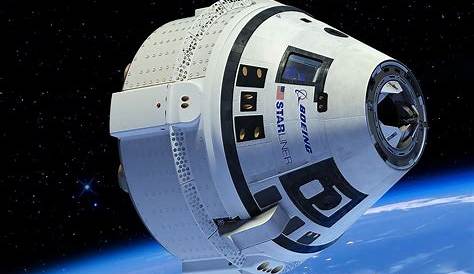
Boeing Starliner is a spacecraft created to transport astronauts to and from the International Space Station (ISS) as part of NASA's Commercial Crew Program. Its purpose is to provide a reliable and safe means of crewed spaceflight, enhancing the human presence in low Earth orbit and supporting scientific research and international collaboration.
What is Boeing Starliner?
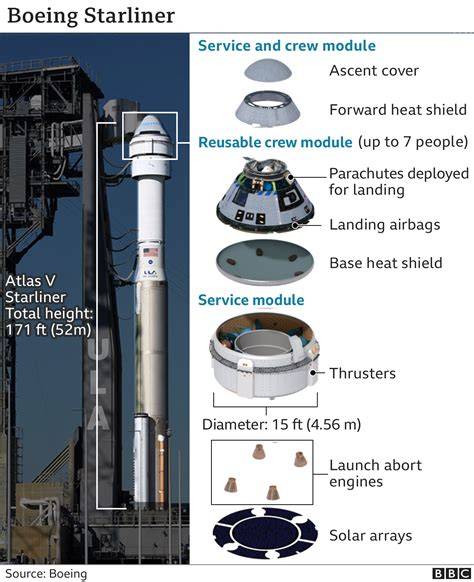
Boeing Starliner, also known as CST-100 Starliner, is an autonomous spacecraft developed by Boeing to carry astronauts to the ISS and beyond. Its primary purpose is to support NASA's Commercial Crew Program, which enables private companies to transport astronauts to the ISS, thereby reducing reliance on government-operated spacecraft. Starliner can accommodate up to seven crew members and is designed for multiple flights, enhancing the sustainability of crewed missions.
For example, Starliner is intended to conduct regular missions to the ISS, contributing to ongoing scientific research and fostering international collaboration in space.
Key Technologies Behind Starliner
Starliner incorporates several innovative technologies that enhance its functionality in space. A key feature is its launch abort system, which can swiftly propel the spacecraft away from the rocket during an emergency launch scenario, significantly improving crew safety.
Additionally, the spacecraft's modular design allows for adaptation to various mission types, whether crewed or cargo transport. Its advanced avionics system supports autonomous navigation and docking with the ISS, while also allowing for manual control by astronauts if needed.
For instance, its communication systems are designed to maintain continuous contact with mission control throughout the flight, ensuring astronauts receive real-time updates and support.
Why Starliner Matters for Future Space Travel
Boeing Starliner plays a vital role in the future of space travel, especially for NASA missions. By providing a reliable means of transporting astronauts, it enables NASA to focus on deeper space endeavors, such as returning humans to the Moon and eventually traveling to Mars.
Moreover, Starliner represents a significant advancement for commercial spaceflight. As private companies like Boeing participate in crewed missions, it stimulates competition and innovation within the aerospace industry. This can lead to reduced costs and greater access to space for research, tourism, and other commercial activities. For example, envision a future where multiple companies provide reliable transportation to the ISS, creating opportunities for scientific research and even space tourism.
Challenges and Delays Faced by Starliner
Despite its potential, Boeing Starliner has encountered several challenges and delays during its development and testing phases. Although technical hurdles, such as software discrepancies identified during uncrewed test flights, have contributed to setbacks, organizational challenges and the COVID-19 pandemic have also impacted timelines.
For instance, the first uncrewed test flight in December 2019 failed to reach the ISS due to timing issues with its orbit. This raised concerns about the spacecraft's readiness, prompting further assessments and adjustments. These delays have shaped public perception, leading some to question whether Starliner will meet its reliability expectations.
What’s Next for Boeing Starliner?
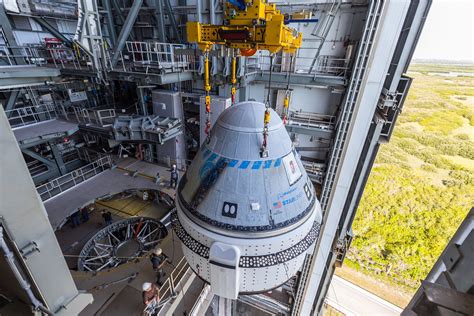
Looking ahead, Boeing Starliner has several planned missions as it moves toward operational status. The next major milestone is the uncrewed Orbital Flight Test-2 (OFT-2), which aims to test improvements made since the initial test flight and demonstrate Starliner's full capabilities. After successful uncrewed missions, Boeing plans to conduct crewed flights to further validate the spacecraft's systems.
If all goes according to plan, you can expect to see Starliner regularly transporting astronauts to and from the ISS in the coming years, marking a new phase in commercial spaceflight and international collaboration in space.
Conclusion
As the Boeing Starliner program evolves, it signifies a substantial advancement in crewed spaceflight technology. Staying updated on its developments will enhance your understanding of future possibilities in space exploration.
Frequently Asked Questions
What is the launch vehicle for Boeing Starliner?
Boeing Starliner is launched aboard the Atlas V rocket, which is specifically designed to carry it into orbit.
How many astronauts can Starliner carry?
Starliner can carry up to seven astronauts, but it can also accommodate cargo.
When is the first crewed mission for Starliner expected?
The first crewed mission is planned after the successful completion of uncrewed test flights, but specific dates may vary based on testing outcomes.
Is Starliner reusable?
Yes, Boeing Starliner is designed to be reusable, allowing it to conduct multiple missions.