Understanding the Blue-black Grassquit: Habitat and Behavior
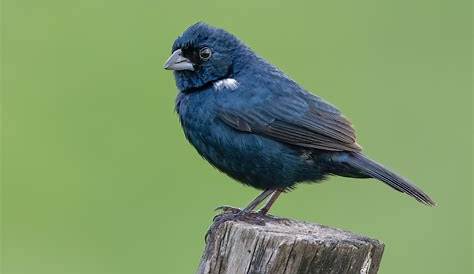
The Blue-black Grassquit is a small bird found in tropical and subtropical regions of the Americas. It is notable for its striking plumage and unique behaviors, making it a fascinating subject for birdwatchers interested in expanding their knowledge.
What is the Blue-black Grassquit?
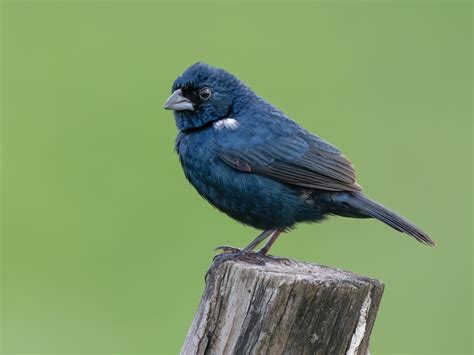
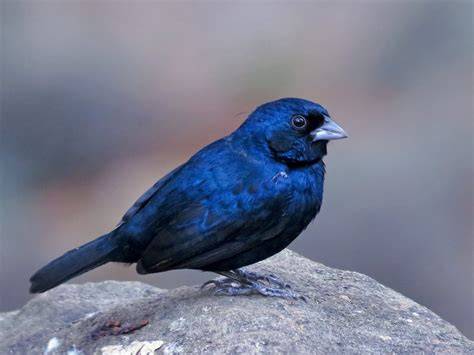
The Blue-black Grassquit (Volatinia jacarina) belongs to the emberizid family and is recognized for its distinctive blue-black coloration, especially in males. Males exhibit a glossy, dark blue-black appearance, while females are generally brown with streaks. The bird measures about 10 to 12 centimeters in length. You might spot them perched quietly on grass blades or foraging on the ground for seeds.
Where Can You Find the Blue-black Grassquit?
Blue-black Grassquits typically inhabit various environments, including open grasslands, savannas, and shrublands. They are commonly found in areas with low vegetation, which provides ample cover and feeding opportunities. Geographically, you can find them from southern Texas through Central America and into parts of South America, particularly in the Amazon Basin. In Brazil and Colombia, they thrive in disturbed areas and agricultural fields.
What Makes the Blue-black Grassquit Unique?
One of the most notable behavioral traits of the Blue-black Grassquit is its distinctive feeding behavior. They primarily feed on seeds, often foraging in small groups. Unlike many other birds, they have a unique method of hopping along the ground that allows them to quickly access seeds while staying vigilant about potential predators. During the breeding season, males perform elaborate courtship displays, including fluttering flight patterns to attract females. Observing a group can be quite entertaining as they interact with one another.
Why is the Blue-black Grassquit Important in Its Ecosystem?
The Blue-black Grassquit plays a significant role in its ecosystem through its feeding habits. By consuming seeds, they aid in seed dispersal, promoting plant diversity in their habitat. This behavior supports the growth of various plants, contributing to the overall health of the ecosystem. Their presence also serves as an indicator of habitat quality; a healthy population often reflects a balanced environment. Additionally, they are prey for larger predators, fitting into the food web.
Common Misconceptions About the Blue-black Grassquit
A common misconception is that the Blue-black Grassquit is often mistaken for other similar-sized birds, such as the female Red-winged Blackbird. While they may share habitats, their coloration and behaviors differ significantly. Another myth is that they are exclusively found in wet areas; they are adaptable and can thrive in dry environments as well. Some birdwatchers may think these birds are solitary, but they are often seen in small flocks, especially when feeding.
Conclusion
If you're interested in observing the Blue-black Grassquit, visit open grasslands or shrubby areas within its range, particularly during the breeding season for the best chance to see their courtship displays. Observing their unique behaviors can deepen your appreciation for this remarkable species.
Frequently Asked Questions
What do Blue-black Grassquits eat?
They primarily feed on seeds, foraging on the ground in small groups.
Are Blue-black Grassquits migratory?
They generally remain residents in their habitats, although some populations may exhibit local movements.
How can I identify a Blue-black Grassquit?
Look for glossy blue-black males and streaked brown females, usually found in open, grassy areas.
What is the typical behavior of Blue-black Grassquits?
They are known for their hopping movement on the ground and elaborate courtship displays during the breeding season.