Understanding the Historical Significance of the Balangiga Bells
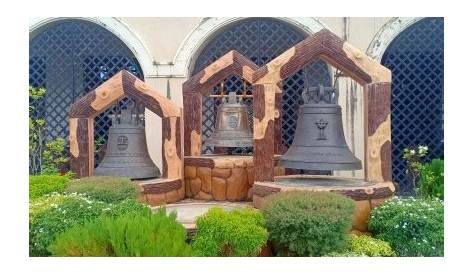
The Balangiga bells are significant symbols in Philippine-American relations, embodying the complex history between the two nations. Originally located in Balangiga, Eastern Samar, these bells played a crucial role during the Philippine-American War and are emblematic of the enduring struggle for recognition and healing. Their journey from the Philippines to the U.S. and back highlights themes of colonialism, conflict, and reconciliation in this historical narrative.
What are the Balangiga bells and why are they important?
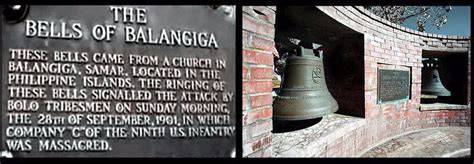
The Balangiga bells consist of three church bells taken from the Balangiga Church in 1901 during the Philippine-American War. Cast in the late 19th century, they served as vital community symbols, marking significant events and daily life in Balangiga. Their historical importance surged when they became linked to the Balangiga massacre, where Filipino insurgents attacked American troops stationed in the town, leading to significant American casualties. This prompted a brutal U.S. military response. The bells not only symbolize the conflict but also represent the cultural and historical identity of the Filipino people. Their return is seen as a reclamation of heritage and a step toward healing historical wounds, making them potent symbols of resilience and reconciliation for many Filipinos.
How did the Balangiga bells end up in the United States?
Following the ambush on American soldiers in September 1901, the Balangiga bells were taken as war trophies. U.S. General Jacob H. Smith ordered the town's devastation in retaliation, and the church bells were among the spoils. Two of the bells were shipped to the United States and displayed at various military installations, while the third bell ended up in a museum. Viewed by American soldiers as symbols of victory, the bells became reminders of colonial oppression and violence for Filipinos. Over the years, numerous calls for their return emerged, reflecting a broader desire to confront historical injustices and recognize the Philippines' cultural heritage. The story of the bells’ journey illustrates not only their physical relocation but also evolving perspectives on colonialism and the ongoing dialogue between the U.S. and the Philippines about their shared history.
What does the return of the Balangiga bells signify today?
The return of the Balangiga bells on December 15, 2018, marked a pivotal moment in Philippine-American relations. Their repatriation symbolized recognition of historical grievances and a commitment to reconciliation. For many Filipinos, the bells honor the memory of those who suffered during the war and represent a step toward healing historical wounds. The ceremony brought together officials from both nations, underscoring the importance of dialogue and acknowledgment of the past. This gesture has broader implications for cultural diplomacy, illustrating how nations can address historical injustices while fostering cooperation and mutual respect. The return of the bells serves as a reminder that history continually shapes relationships and identities.
What controversies surround the Balangiga bells?
The Balangiga bells are at the center of various controversies regarding their ownership and significance. Some argue they should remain in the United States as historical artifacts representing American military history, while others assert they belong to the Philippines as cultural treasures tied to Filipino identity. This debate reflects broader issues of colonialism, power dynamics, and historical memory. The circumstances of their removal during a violent conflict raise ethical questions about the legacy of war trophies. Perspectives within the Philippines vary; some view the return of the bells as a victory for cultural pride, while others see it as a symbolic gesture that does not address deeper historical injustices. The ongoing discussions surrounding the bells highlight the complexities of reconciling history with contemporary relationships.
How can I learn more about the Balangiga bells?
If you're interested in the Balangiga bells, there are several resources to explore. Books like "The Balangiga Bells: A Story of War, Loss, and Redemption" provide detailed historical context and analysis. Documentaries and films about the Philippine-American War often feature the bells, offering insights into their significance. Museums in the Philippines frequently have exhibitions focused on this history. Online platforms, such as the National Museum of the Philippines, also provide information and updates about the bells and their cultural importance. Engaging with these resources can enhance your understanding of the bells and their role in both Philippine history and contemporary discussions.
Conclusion
To gain a deeper understanding of the significance of the Balangiga bells, consider reading historical accounts and watching documentaries about their role in the Philippine-American War. Focus on the cultural context rather than just the events to appreciate how these bells reflect broader themes of colonialism, identity, and reconciliation in Philippine history.
Frequently Asked Questions
What are the Balangiga bells made of?
The Balangiga bells are made of bronze, a common material for church bells. They were cast in the late 19th century and are known for their distinct sound and craftsmanship.
Why did the U.S. take the Balangiga bells?
The U.S. took the Balangiga bells as war trophies following the ambush of American troops by Filipino insurgents during the Philippine-American War. They were viewed as symbols of victory and retribution.
When were the Balangiga bells returned to the Philippines?
The Balangiga bells were officially returned to the Philippines on December 15, 2018, after more than a century of being held in the United States.
What do the Balangiga bells symbolize for Filipinos?
For many Filipinos, the Balangiga bells symbolize resilience, cultural identity, and the struggle for recognition and healing from the impacts of colonialism and war.
Are there any museums where I can see the Balangiga bells?
Yes, the Balangiga bells are housed in the Balangiga Church in Eastern Samar, Philippines. Various museums also have exhibits that focus on the history of the bells and their significance.