Understanding Anna Maria van Schurman: The First Female University Student
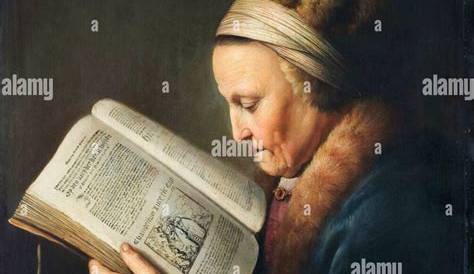
If you're researching influential women in the 17th century, Anna Maria van Schurman is a vital figure. She was the first woman to enroll in a university, specifically the University of Utrecht, and she made significant contributions as a scholar and artist. Van Schurman challenged societal norms and advanced the conversation around women's education, making her a pivotal character in the history of women's intellectual engagement.
Who was Anna Maria van Schurman?
Anna Maria van Schurman was born in 1607 in Utrecht, Netherlands, into a family that valued education. Her father, a wealthy merchant, supported her intellectual pursuits, which was uncommon for women at the time. A prodigy, van Schurman learned Latin, Greek, Hebrew, and several other languages by the age of 20. In 1636, she became the first woman to enroll at a university, the University of Utrecht, where she attended lectures despite women not being officially allowed to enroll as students. Her participation sparked discussions about women's education in a period when the intellectual contributions of women were largely overlooked.
The societal context of the 17th century posed significant challenges for women seeking education, as prevailing attitudes confined women's roles to the domestic sphere. Van Schurman’s achievements highlighted the potential of women in academia and the arts, challenging these norms.
What were her major achievements?
Anna Maria van Schurman made significant contributions to both academia and the arts. She is perhaps best known for her writings, which included essays on education, philosophy, and theology. One of her notable works is "The Learned Maid," where she argues for women's access to education and intellectual pursuits. In addition to her scholarly work, van Schurman was a talented painter and produced various works that showcased her skills in drawing and engraving.
Her mastery of diverse subjects, including literature, philosophy, and sciences like anatomy and botany, demonstrated her versatility and intellect. She engaged with prominent thinkers of her time, including Descartes and other scholars, which bolstered her reputation as a serious intellectual. Her writings have been influential, inspiring not just her contemporaries but also later generations of women scholars.
Why is she considered a pioneer for women in education?
Anna Maria van Schurman is considered a pioneer for women in education due to her determination to pursue knowledge in a male-dominated environment. At a time when women faced discouragement from intellectual pursuits, she carved out a space for herself. Her enrollment at the University of Utrecht was groundbreaking, despite being unofficial. She confronted societal skepticism about women’s intellectual capabilities but persisted in her studies, becoming a symbol of women's potential.
Many women in her era were confined to roles that did not promote learning or personal development. Van Schurman's example provided a model for future generations, showing that women could excel in academia. Her advocacy for women's education in her writings also played a critical role in changing perceptions of women's roles in society and education.
What impact did her work have on society?
The impact of Anna Maria van Schurman’s work extended beyond her lifetime, influencing both contemporary and modern thought. Her writings challenged the status quo, advocating for women's rights to education and intellectual engagement, which was revolutionary during a time when women's voices were often silenced. The discussions she initiated around education contributed to a gradual acceptance of women in academic circles.
Today, van Schurman's legacy is evident in the ongoing fight for gender equality in education. Her life serves as an early example of the potential women hold when given access to educational opportunities. By challenging the barriers of her time, she set a precedent for future advocates of women's rights and education.
How can I learn more about her life and legacy?
To explore the life and legacy of Anna Maria van Schurman, you can start with her primary texts, such as "The Learned Maid," which provide insight into her thoughts and arguments. Several biographies and academic articles examine her life and contributions, offering context about the era in which she lived.
University libraries or online academic databases may have research papers focusing on her influence in education and her role as a female intellectual. Attending lectures or seminars on women's history or the history of education can also provide a broader understanding of her impact.
Conclusion
To appreciate Anna Maria van Schurman’s contributions, read her works to understand her views on education and women's roles. Then, explore historical context to see how she navigated the challenges of her time. Ignoring her story means overlooking a significant part of women's fight for educational rights. Recognizing her legacy can inspire a deeper appreciation for contemporary discussions about gender and education.
Frequently Asked Questions
What languages did Anna Maria van Schurman master?
Anna Maria van Schurman mastered several languages, including Latin, Greek, and Hebrew, along with proficiency in various modern languages, showcasing her exceptional linguistic skills.
What was one of her most famous works?
One of Anna Maria van Schurman’s most famous works is "The Learned Maid," in which she argues for women's rights to education and intellectual engagement.
Did Anna Maria van Schurman face challenges as a woman in academia?
Yes, Anna Maria van Schurman faced significant challenges as a woman in academia. The prevailing attitudes of her time largely discouraged women's education, and she had to navigate a male-dominated environment to pursue her studies.
How did her work influence future generations?
Her advocacy for women's education and her literary contributions laid the groundwork for future generations of women scholars, encouraging them to pursue knowledge and challenge societal norms.
Where can I find more information about her?
You can find more information about Anna Maria van Schurman through her primary texts, biographies, and academic articles that explore her life and contributions to education.