Understanding the Ahom–Mughal Conflicts and Their Impact on Northeast India
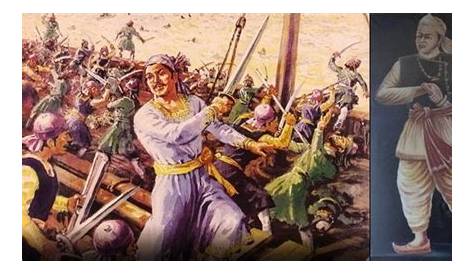
The Ahom–Mughal conflicts were pivotal in shaping the history of Assam and Northeast India. These battles emerged when the Mughal Empire, expanding under Emperor Aurangzeb, sought to control the strategically significant region of Assam in the 17th century. The resulting confrontations were not merely military engagements; they profoundly influenced the political, cultural, and social dynamics of the area.
What triggered the Ahom–Mughal conflicts?
The Ahom dynasty, established in the early 13th century, was renowned for its military strength and effective governance. By the 17th century, the Mughals aimed to expand their empire into Assam, drawn by the region's fertile lands and valuable resources like rice and elephants. Assam's strategic location made it a gateway to the Northeast, intensifying Mughal interest. This ambition directly conflicted with the Ahoms' desire to maintain their sovereignty and territorial integrity. Initial skirmishes, driven by raids and territorial disputes, marked the beginning of a series of conflicts that would unfold over several decades.
How did the key battles unfold?
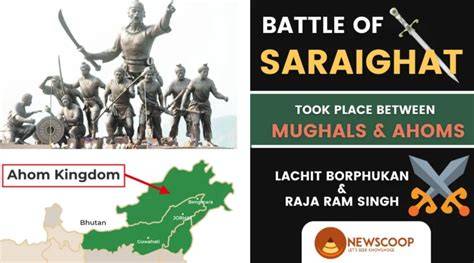
One of the defining moments in the Ahom–Mughal conflicts was the Battle of Saraighat in 1671. The Ahom forces, led by Commander Lachit Borphukan, strategically utilized the geography of the Brahmaputra River to their advantage. The Mughals, equipped with a larger army, aimed to seize Guwahati, a crucial location for their campaign. Despite being heavily outnumbered, the Ahoms employed guerrilla tactics, leveraging their intimate knowledge of the terrain to launch surprise attacks and disrupt the Mughal supply lines. This battle culminated in a decisive victory for the Ahoms, underscoring their resilience and strategic ingenuity. This triumph not only halted the Mughal advance but also reinforced the Ahoms' national identity and unity against external threats.
What were the political consequences of these wars?
The Ahom–Mughal conflicts had enduring political ramifications for Assam. Although the Ahom dynasty managed to preserve its sovereignty, the prolonged conflicts weakened their military and administrative structures. This vulnerability ultimately led to internal strife and power struggles within the Ahom kingdom. While the Mughals were initially unsuccessful in annexing Assam, they managed to establish a foothold in the region, influencing local politics and forging alliances with various tribal groups. These shifts in power dynamics resulted in a fragmented political landscape, which later facilitated British control over Assam in the 19th century.
How did these conflicts influence local culture?
The Ahom–Mughal conflicts significantly impacted the cultural identity of Assam. The resistance against Mughal expansion fostered a strong sense of regional identity among the Ahoms and other local communities. Consequently, essential elements of Ahom culture—such as language, traditions, and festivals—were emphasized and preserved. At the same time, the Mughals introduced new cultural influences, including art, architecture, and administrative practices, which blended with local traditions. This cultural exchange enriched Assamese society, resulting in a unique synthesis still evident today. The conflicts underscored the importance of cultural resilience in the face of external threats.
What lessons can we learn from the Ahom–Mughal conflicts today?
The Ahom–Mughal conflicts provide valuable insights into regional identity and conflict management. They illustrate how a strong cultural identity can foster unity against external aggression. The effective use of local geography and intimate knowledge during these conflicts highlights the importance of adaptability and resourcefulness in warfare. These lessons remain relevant today, as they can inform our understanding of contemporary regional conflicts, where issues of identity, resources, and power dynamics are crucial. Recognizing the historical complexities of such conflicts can guide efforts toward peacebuilding and cooperation in diverse societies.
Conclusion
To understand the significance of the Ahom–Mughal conflicts, focus on their initial causes and key battles, as these elements lay the groundwork for grasping their political and cultural consequences. Pay attention to the interplay of identity and resistance in shaping the region's history. Instead of getting lost in military strategies, consider the broader implications for regional dynamics. A nuanced perspective will help you appreciate the complexities of Northeast India's past and its relevance today.
Frequently Asked Questions
What were the main causes of the Ahom–Mughal conflicts?
The main causes included the Mughal Empire's ambition to expand into Assam for territorial and resource control, conflicting with the Ahom dynasty's desire to maintain its sovereignty and territorial integrity.
What was the outcome of the Battle of Saraighat?
The Battle of Saraighat in 1671 resulted in a decisive victory for the Ahoms, despite being outnumbered by Mughal forces. This victory was crucial in halting Mughal advances into Assam.
How did the Ahom–Mughal conflicts affect Assam's governance?
The conflicts weakened the Ahom dynasty's political structure, leading to internal strife and power struggles, while allowing the Mughals to influence local politics and create alliances.
What cultural changes occurred due to the Ahom–Mughal conflicts?
The conflicts fostered a strong sense of regional identity among the Ahoms and introduced Mughal cultural influences that blended with local traditions, enriching Assamese society.
What modern lessons can we learn from these historical conflicts?
The Ahom–Mughal conflicts teach us about the importance of cultural identity in resistance, the strategic use of local knowledge in conflict, and the complexities of regional dynamics in contemporary society.