Understanding the 2025 Indian Electoral Controversy
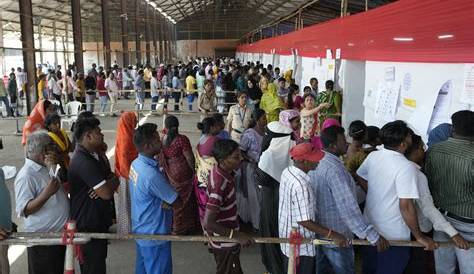
As a concerned voter in India, you may be uneasy about the implications of the 2025 electoral controversy. This situation has escalated with allegations of electoral fraud, legal challenges, and the involvement of major political parties. The outcome of this controversy could significantly affect the upcoming elections and the integrity of Indian democracy.
What triggered the 2025 electoral controversy?
The controversy began with accusations of electoral fraud and manipulation in the lead-up to the 2025 elections. Political analysts and opposition leaders alleged significant irregularities in voter registration processes and the misuse of government resources for campaign purposes. Legal challenges quickly followed, with petitions filed in courts questioning the legality of certain election commission decisions and the conduct of political campaigns. For instance, claims were made that the ruling party was leveraging state machinery to gain an unfair advantage. As these allegations gained traction, public trust in the electoral process began to wane, leading to widespread protests and demands for electoral reforms. National and international observers are now monitoring the situation closely, highlighting its importance for the future of Indian democracy.
Who are the major players in the controversy?
Several key political parties and leaders are central to this controversy. The ruling party, accused of misconduct, claims it is being unfairly targeted by opposition factions seeking to undermine its legitimacy. The main opposition party has positioned itself as a champion of electoral integrity, demanding transparent investigations into the allegations. Other regional parties have entered the fray, some supporting the ruling party while others align with the opposition, driven by their political motivations. The Election Commission of India plays a crucial role, tasked with upholding electoral laws and ensuring fair conduct during elections. Their response to these allegations will significantly influence public perception of their impartiality and effectiveness. The interplay among these players is complex, with each party attempting to shape the narrative to its advantage.
How does this affect voters and the electoral process?
Voter trust is vital in any democratic process, and the ongoing controversy threatens to erode that trust. Many voters may feel disillusioned, potentially leading to lower turnout rates as they question the integrity of the electoral system. If voters believe their votes do not matter due to possible fraud, they may choose not to participate, skewing the election results. Furthermore, the controversy may create an environment of fear and uncertainty among voters, affecting their willingness to support candidates openly. This situation can also polarize communities, as individuals may align more strongly with political factions based on their views about the fairness of the process. The ramifications extend beyond just the immediate election; they could endanger the foundational principles of democracy in India.
What are the legal ramifications of the controversy?
The legal battles stemming from this controversy are significant and could reshape electoral laws in India. Various petitions and lawsuits have been filed, challenging the conduct of political parties and the decisions made by the Election Commission. These legal proceedings may lead to court rulings that could either reinforce existing election laws or prompt reforms that enhance transparency and accountability. For example, if courts find significant breaches of electoral regulations, this could result in stricter enforcement of laws governing campaign financing and voter registration. Conversely, if the ruling party successfully defends its actions, it could set a precedent for future elections, potentially normalizing practices that critics view as undemocratic. The outcomes of these legal challenges will likely be closely watched, as they hold the potential to influence not just the 2025 elections but also the future of electoral governance in India.
What can voters do in response to the controversy?
As a concerned voter, the first step is to stay informed about the developments in this controversy. Follow credible news sources and updates from the Election Commission to understand how the situation is evolving. Engaging in discussions within your community can help raise awareness and mobilize efforts for electoral reform. Consider participating in local forums or initiatives aimed at promoting voter education and integrity in the electoral process. Additionally, ensure you are registered to vote and encourage others to do the same. Your voice and participation are essential, especially during times of controversy. By being proactive and informed, you contribute to the collective demand for a fair and transparent election process.
Conclusion
Stay informed about the ongoing developments in the electoral controversy and engage in discussions to raise awareness. Don't let the controversy discourage you from participating; your vote is vital for shaping India’s future. A transparent election process is crucial for restoring public trust and ensuring that all voices are heard. By remaining active and vigilant, you can help safeguard the integrity of democracy in India.
Frequently Asked Questions
What are the main allegations in the 2025 electoral controversy?
The main allegations include claims of electoral fraud, manipulation of voter registration, and misuse of government resources by the ruling party for campaign purposes.
How are opposition parties responding to the controversy?
Opposition parties are calling for investigations into the allegations and are positioning themselves as defenders of electoral integrity, aiming to rally voter support against what they see as unfair practices.
What role does the Election Commission play in this controversy?
The Election Commission is responsible for overseeing the electoral process and ensuring adherence to laws. Its response to the allegations will be critical in determining public trust in the electoral system.
How might the controversy affect voter turnout?
The controversy could lead to decreased voter turnout as disillusioned voters may feel that their participation would not make a difference in an unfair electoral system.
What steps can voters take to ensure their voices are heard?
Voters can stay informed, engage in community discussions, ensure they are registered, and participate actively in the electoral process to advocate for transparency and integrity.