What Happened During the 2022 Albanian Protests
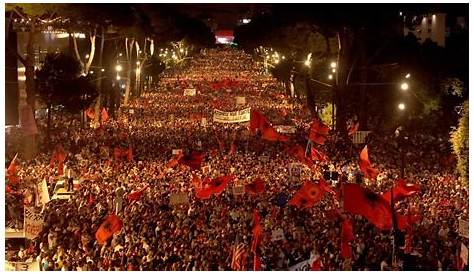
The 2022 Albanian protests were a significant response to rising economic discontent, particularly regarding soaring prices for basic goods and energy. Triggered by the global energy crisis and high inflation, these protests revealed deep frustrations with government policies and a lack of responsiveness to citizens' needs, marking a crucial moment in Albania's political evolution.
What triggered the 2022 protests?
The protests in Albania were primarily sparked by a sharp increase in the cost of living, especially concerning energy prices. In early 2022, the global energy crisis, exacerbated by geopolitical tensions, led to soaring electricity and fuel costs. This economic strain was compounded by high inflation rates affecting everyday goods, leaving many citizens struggling to make ends meet. Public sentiment turned against the government, which was perceived as failing to adequately address these issues or provide relief. Many citizens felt that the government's measures came too late, igniting a wave of protests across the country.
Who were the main participants and what did they want?
The protests attracted a diverse group of participants, including students, workers, and everyday citizens from various socio-economic backgrounds. Many young people expressed frustration over economic stagnation and unemployment. They rallied around several key demands: immediate government intervention to control rising prices, increased wages, and improved living conditions. Some protesters also called for broader political reforms, voicing dissatisfaction with corruption and the lack of transparency in government decisions. For example, demands included a minimum wage increase to match inflation rates, highlighting the urgency of their situation.
How did the government respond to the protests?
Initially, the Albanian government attempted to downplay the protests, emphasizing its efforts to stabilize the economy. However, as the protests grew larger and more organized, officials began to engage with some protesters' demands. The government announced measures aimed at subsidizing energy costs and proposed financial assistance for lower-income families. Despite these efforts, many viewed the responses as inadequate. Public reaction was mixed; while some appreciated the government's acknowledgment of the issues, others felt the measures fell short given the scale of the crisis. The protests continued, indicating persistent discontent among the populace.
What were the broader implications for Albania?
The 2022 protests have significant implications for Albania's political landscape. They revealed growing frustration among citizens regarding economic management and governance. This unrest could lead to a shift in political dynamics, compelling the government to adopt more responsive policies. Additionally, these events may mobilize a more politically active citizenry, fostering greater engagement in democratic processes. As protests often reflect public sentiment, the government may need to reevaluate its approach to economic policy and public communication to rebuild trust.
What have we learned from the 2022 protests?
The 2022 protests in Albania highlight the critical importance of addressing economic grievances promptly. They demonstrate how rising living costs can catalyze broader political activism and demands for accountability. Moreover, the events underscore the necessity for governments to maintain open communication channels with citizens, especially during crises. The protests also illustrate the potential power of grassroots movements in shaping political discourse, emphasizing that citizens will mobilize when their basic needs are unmet.
Conclusion
Moving forward, engaging in constructive dialogue is essential for both the government and citizens to tackle the underlying issues that sparked these protests. Continued attention to economic conditions and responsiveness to public needs will be vital for stability and the health of democracy in Albania.