Understanding the 1983 United Kingdom General Election
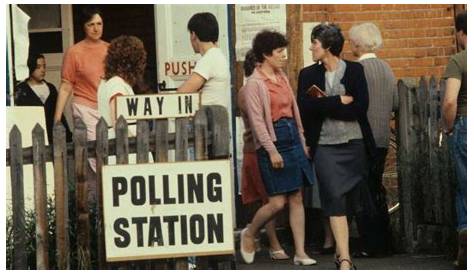
The 1983 United Kingdom general election was a significant political event that reshaped the UK’s political landscape. It resulted in a landslide victory for the Conservative Party, led by Margaret Thatcher, while the Labour Party faced a severe decline in support.
What were the key outcomes of the 1983 election?
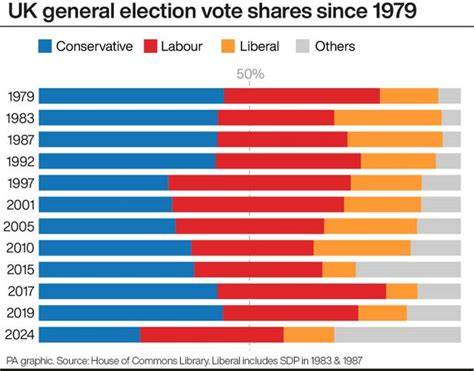
The 1983 general election resulted in a decisive victory for the Conservative Party, which secured 397 seats in the House of Commons. This was an increase of 57 seats from the previous election. The Labour Party suffered a dramatic decline, winning only 209 seats, a loss of 60 seats. The Liberal Party gained 23 seats, but their influence remained limited compared to the larger parties. The election was characterized by a 42.4% voter turnout, reflecting significant public engagement despite the Labour Party's challenges. This election solidified Thatcher's position as a powerful leader and set the stage for her policies in the following years.
What major events influenced the election?
Several key issues influenced public sentiment leading up to the 1983 election. The economy was a central concern, as Thatcher's government implemented strict austerity measures to reduce inflation and combat high unemployment. While some praised these policies for stabilizing the economy, many voters felt the impact of cuts to public services and rising job losses. The Falklands War in 1982 significantly shifted public opinion; the successful military campaign boosted national pride and increased support for the Conservative Party, as many viewed Thatcher's strong leadership favorably. Additionally, the Labour Party's internal divisions, particularly the split between moderate and left-wing factions, further weakened their position and confused voters about their policies. If you were a voter in 1983, the combination of economic concerns and the Falklands War likely shaped your decision at the ballot box.
How did the election results affect UK politics?
The 1983 election results had profound and lasting effects on UK politics. The Conservative Party's victory not only reinforced Thatcher's leadership but also legitimized her policies, including the privatization of state-owned industries and reductions in government spending. This marked a shift towards a more market-oriented economy. In response to their defeat, the Labour Party embarked on a period of introspection and reform, leading to Neil Kinnock's election as leader. Kinnock attempted to modernize the party and distance it from the extreme left, paving the way for the eventual rise of New Labour in the 1990s. Public sentiment increasingly leaned toward Conservative ideals, and this election set the tone for subsequent elections, where the Conservatives maintained a strong presence. The shift also influenced societal views, as individualism and economic liberalism began to take a more prominent role in British culture.
What misconceptions exist about the 1983 election?
A common misconception about the 1983 election is that it was solely a referendum on Thatcher's policies. While her leadership style and economic policies were significant factors, the context of the Falklands War also played a critical role in rallying support for the Conservatives. Many believe that the Labour Party's defeat was entirely due to its internal conflicts; however, external factors, such as economic conditions and the effectiveness of the Conservative campaign, were equally influential. Some argue that media bias favored the Conservatives, but this overlooks the complexities of voter decision-making at the time.
Further resources for understanding the 1983 election
If you want to explore the 1983 general election and its implications further, consider the following resources:
- "The Victory of the Conservatives: The 1983 Election" by Rob Wilson
- "A New History of the Labour Party" by Andrew Thorpe
- Documentaries on the 1980s British political scene, available on platforms like BBC iPlayer or YouTube.
Conclusion
Understanding the 1983 general election offers crucial insights into the trajectory of UK politics throughout the 1980s and beyond. Analyzing the events leading up to the election and its aftermath can deepen your understanding of contemporary political debates in the UK.
Frequently Asked Questions
What were the main reasons for the Labour Party's decline in 1983?
The Labour Party faced internal divisions, economic challenges, and the impact of the Falklands War, which shifted public support towards the Conservatives.
How did the Falklands War influence the election outcome?
The successful military campaign during the Falklands War boosted national pride and strengthened public support for Margaret Thatcher and the Conservative Party.
What changes did the Labour Party undergo after the 1983 election?
Following the 1983 election, the Labour Party began a process of reform under Neil Kinnock, focusing on modernization and distancing itself from extreme leftist factions.
What was the voter turnout in the 1983 election?
The voter turnout for the 1983 general election was approximately 42.4%.