The 106th Infantry Division: Key Facts and Its Role in WWII
The 106th Infantry Division, activated in December 1943, played a crucial role in World War II, particularly in the European Theater. Formed as part of the U.S. Army's efforts to expand its forces, the division was structured to engage in a variety of combat operations. Understanding its formation, major battles, challenges faced, and lasting impact will provide valuable insights into its significance in military history.
What was the 106th Infantry Division and when was it formed?
The 106th Infantry Division, known as the "Golden Lion" division, was established on December 10, 1943, at Camp Atterbury, Indiana. It was created as part of the U.S. Army’s efforts to bolster its forces for the ongoing conflict in Europe. Comprised of personnel from various states, the division was intended to be a versatile infantry unit capable of adapting to different combat scenarios. Its primary purpose was to engage enemy forces and support broader military operations during World War II. After completing its training in the United States, the division was deployed to Europe in the fall of 1944, where it would soon face some of the most intense fighting of the war.
What significant battles did the 106th Infantry Division participate in?
The most notable engagement for the 106th Infantry Division was its involvement in the Battle of the Bulge, which began in December 1944. As the last major German offensive on the Western Front, this battle saw the division deployed in the Ardennes region of Belgium. Initially positioned to defend key roads, the 106th faced overwhelming German forces, leading to significant casualties and the capture of a large number of soldiers. Despite these challenges, parts of the division fought valiantly, contributing to the eventual Allied counteroffensives. Other engagements included operations in the Rhineland, where the division continued to demonstrate resilience amidst difficult conditions.
What challenges did the 106th Infantry Division face during the war?
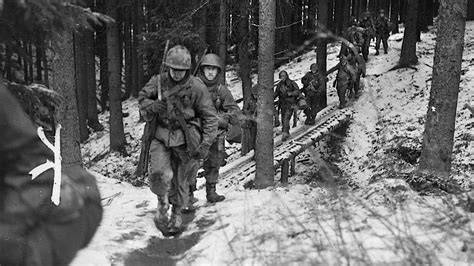
Throughout its service, the 106th Infantry Division faced numerous challenges, particularly during the Battle of the Bulge. Harsh winter weather complicated mobility and supply lines. Soldiers struggled with inadequate winter clothing and limited resources, making survival difficult in freezing conditions. Communication breakdowns and confusion further hampered their ability to coordinate effectively against the well-prepared German forces. After suffering heavy losses in this engagement, the division had to regroup and reassess its strategies, highlighting the difficulties faced by newer units in combat. These experiences underscored the importance of logistics and preparation in military operations.
How did the 106th Infantry Division influence post-war military structure?
The experiences of the 106th Infantry Division during World War II contributed to significant changes in the U.S. military structure and strategy in the years following the war. The lessons learned regarding combat readiness, troop morale, and the importance of supply chains informed military training and planning. The division's challenges revealed the need for better winter warfare preparations and improved logistical support for troops in the field. As the U.S. military transitioned into the Cold War era, the division's legacy influenced the development of reserve components and the establishment of a more robust training program for soldiers. This evolution ensured that future divisions would be better equipped to handle the complexities of modern warfare.
Where can I find more resources about the 106th Infantry Division?
If you're eager to learn more about the 106th Infantry Division, several resources can provide deeper insights. Books like "The 106th Infantry Division in World War II" by John F. Doughty offer detailed accounts of its history and operations. Documentaries such as "The Battle of the Bulge" provide visual perspectives on the division's experiences during key engagements. Websites dedicated to military history, including the U.S. Army Center of Military History and various veterans' organizations, contain valuable documents, personal accounts, and photographs that can enrich your understanding of the division's contributions.
Conclusion
To begin your exploration of the 106th Infantry Division, focus on its experiences in the Battle of the Bulge; this will provide insight into the unit’s challenges and resilience. Seek firsthand accounts and analyses in books and documentaries for a richer perspective. Understanding its legacy will help you appreciate how this division shaped future military strategies and the lessons learned from its operations.
Frequently Asked Questions
What does the 106th Infantry Division symbolize?
The 106th Infantry Division symbolizes the resilience and bravery of American soldiers during World War II, particularly in challenging circumstances like the Battle of the Bulge. Its nickname, the "Golden Lion" division, reflects its tenacity and commitment to duty.
How many soldiers were in the 106th Infantry Division?
The 106th Infantry Division was composed of approximately 15,000 soldiers at full strength, which is typical for a standard U.S. Army infantry division during World War II. However, numbers fluctuated due to casualties and replacements throughout the war.
Where did the 106th Infantry Division train before deployment?
Before deployment, the 106th Infantry Division trained at Camp Atterbury, Indiana. This training focused on preparing soldiers for various combat scenarios they would encounter in Europe.
Did the 106th Infantry Division receive any commendations?
Yes, the 106th Infantry Division received various commendations for its service, including campaign streamers for its participation in the Ardennes-Alsace Campaign and the Rhineland Campaign, recognizing its contributions to the overall war effort.
What happened to the 106th Infantry Division after World War II?
After World War II, the 106th Infantry Division was inactivated in 1946. However, its legacy continued to influence U.S. military strategies and practices in subsequent years, particularly in terms of training and logistics.